
How Much Is Starlink For An Rv
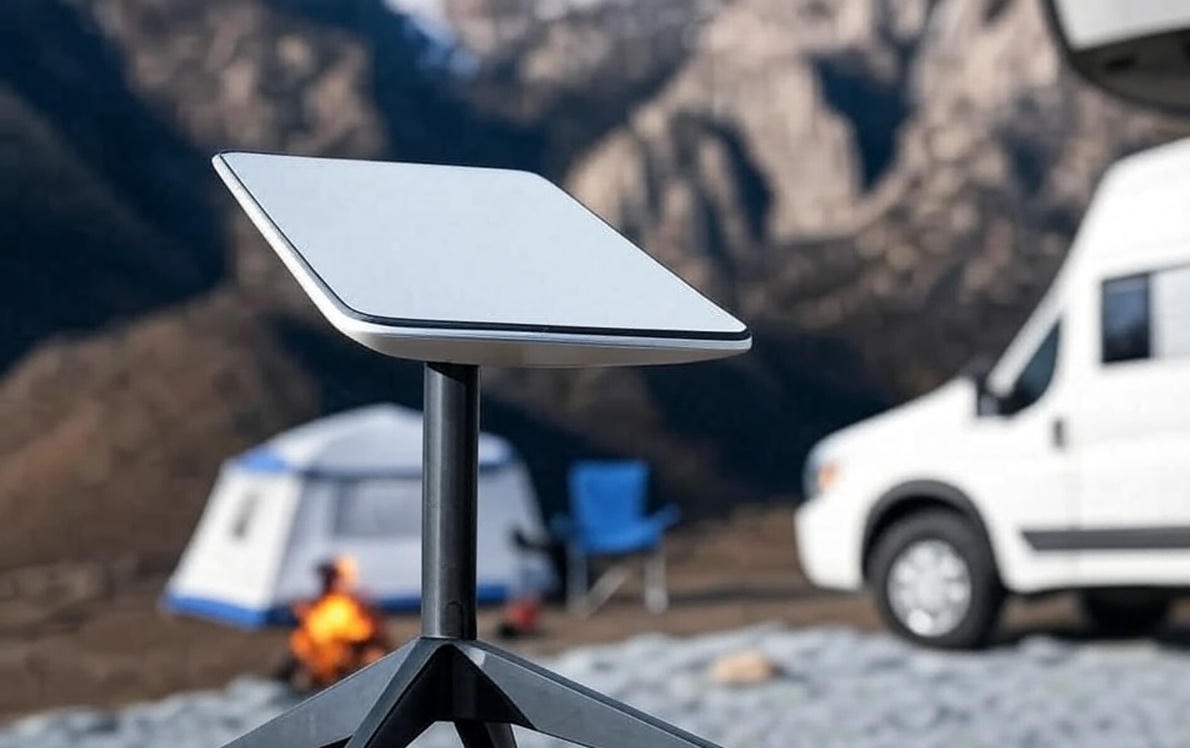
Ah, the open road! The smell of pine trees, the vast expanse of the desert, the freedom of waking up to a new view every morning. For many, the RV lifestyle is the ultimate dream of escape and adventure. But let's be real: even the most rugged adventurer needs to check emails, stream a movie, or video call family from time to time. And finding decent internet out there in the wild? That used to be the stuff of legend, a quest more challenging than finding Bigfoot.
Enter Starlink. Suddenly, the impossible seems not just possible, but downright practical. This satellite internet service, brainchild of none other than Elon Musk's SpaceX, has been a game-changer for digital nomads and full-time RVers. No more hunting for sketchy campground Wi-Fi or draining your phone's hotspot data at warp speed. But before you hitch up and head for the hills, you're probably wondering: how much is Starlink for an RV? Let's break it down, buttercup.
The Initial Investment: Hardware Costs
First things first, you can't just wish Starlink into existence. You need the gear. This is your initial, one-time purchase, often referred to as the Starlink Kit. Think of it as your passport to the digital frontier.
Must Read
Currently, the standard Starlink Kit will set you back approximately $599 USD. This price can vary slightly depending on your region or any ongoing promotions, so always double-check the official Starlink website for the most current figures.
What's in the box? You'll typically receive:

- The Starlink Dish itself (affectionately known as "Dishy McFlatface" to some fans).
- A Wi-Fi router.
- A base for the dish.
- All the necessary cables to connect it.
It's essentially everything you need to get connected, minus the RV power hookup, of course. For RVers, this means you'll want to ensure you have a robust power inverter if you plan on running it off your RV's batteries or solar setup, as Dishy does consume a fair bit of juice.
The Ongoing Adventure: Monthly Subscription Costs
Once you've got your hardware, the next step is the monthly subscription. For RVers and mobile users, Starlink offers specific plans designed for flexibility and portability. This is generally known as the Starlink Mobile service (previously "Starlink Roam").
There are typically two main options within the Starlink Mobile plan, and their pricing reflects their reach:

1. Mobile - Regional Plan
If your adventures tend to keep you within your home continent (e.g., staying within the contiguous USA, or Canada), the Mobile - Regional plan is often the most cost-effective choice. It allows you to use your Starlink kit anywhere within the designated region where service is active. The monthly cost for this plan usually hovers around $150 USD per month. Again, this can vary by country, so verify current rates.
2. Mobile - Global Plan
For the truly boundless explorer, perhaps someone planning to drive the Pan-American Highway or ship their RV across oceans, the Mobile - Global plan is your ticket. This service allows you to connect from virtually anywhere in the world where Starlink service is available. As you might expect, this increased freedom comes with a higher price tag, typically around $200 USD per month.

One of the best features for RVers is the flexibility to pause and unpause your service. Planning to park your RV for a few months during the off-season? You can pause your subscription and won't be charged until you reactivate it. This is a huge money-saver for part-time adventurers!
Summing Up the Dollar Signs
So, combining the costs:
- Initial Hardware: Approximately $599 USD (one-time).
- Monthly Service: Approximately $150 USD (Regional) or $200 USD (Global), with the option to pause.
Is it cheap? Not by traditional internet standards. But for truly reliable, high-speed internet that follows you from a national park in Utah to a beach in Baja, it's a phenomenal value. Imagine video calls with crystal-clear audio from the middle of nowhere, or streaming your favorite show while listening to coyotes howl outside your window. That's the kind of freedom Starlink unlocks.

Practical Tips for Your Starlink RV Life
Ready to jump in? Here are a few friendly pointers for your Starlink journey:
- Clear View: Dishy needs a clear, unobstructed view of the sky to connect with the satellites. Trees, mountains, and tall buildings are its arch-nemeses.
- Power Hungry: While running, Starlink can draw a significant amount of power (around 50-75W, sometimes more in cold weather for de-icing). Make sure your RV's power system, especially if you're boondocking, can handle it. Solar panels and a good battery bank are your friends.
- Stow Mode: Always put your Starlink dish into Stow Mode before moving your RV. This correctly positions the dish for transport and prevents damage.
- Mounting Options: While the basic stand works, many RVers invest in aftermarket pole mounts, ladder mounts, or even roof mounts for easier, more stable deployment.
- Weather Warrior: Starlink is designed to withstand a fair bit of weather, even melting snow. However, extreme storms or heavy rain can temporarily affect performance.
The Connection That Counts
In a world that's constantly pulling us in different directions, the RV life offers a beautiful counter-narrative: a chance to slow down, explore, and connect with nature. But sometimes, staying connected to the human world is just as important. Whether it's for remote work, staying in touch with loved ones, or simply unwinding with a movie under a sky full of real stars, Starlink makes it possible to truly have the best of both worlds.
So, while the price tag might seem like a commitment, consider what it buys you: not just internet, but uninterrupted freedom. The ability to chase sunsets without sacrificing your Zoom calls, to download a new audiobook while parked by a pristine lake, or to share your incredible journey with friends in real-time. That, dear adventurer, is a connection that's truly priceless.