How Much Is Sewage Per Month
Ah, the humble act of the flush. For most of us, it’s a moment of blissful ignorance – a testament to a modern marvel we rarely give a second thought to. We use, we flush, and then it’s simply… gone. This magical disappearing act is, in fact, the silent ballet of our municipal wastewater systems, an intricate dance that allows us to enjoy truly clean and hygienic homes, workplaces, and public spaces. It’s the invisible hand that keeps our lives remarkably convenient and free from the health hazards of yesteryear. We might not "enjoy" the sewage itself, but we absolutely relish the clean, safe environment it creates.
The benefits of effective sewage management are utterly profound. Without it, our cities would be plagued by disease, our rivers choked with waste, and our daily lives would be unimaginable. It’s the bedrock of public health, preventing the spread of countless waterborne illnesses and ensuring our environment remains habitable. Every time you wash your hands, take a shower, or run the dishwasher, you’re relying on a system designed to whisk away dirty water and treat it responsibly. It serves the vital purpose of protecting both human populations and delicate ecosystems, a true unsung hero of everyday life.
So, where exactly is this magic applied? Everywhere, really! From the obvious – your toilet and shower – to the less apparent, like your kitchen sink draining after washing dishes, or the washing machine emptying its sudsy contents. Factories and businesses also contribute to the wastewater stream, and municipalities work tirelessly to collect and treat it all. It’s not just about what goes down the drain; it’s about the massive infrastructure that collects this water from thousands of homes and businesses, transporting it sometimes for miles to a treatment plant. It's a continuous, complex operation designed for our collective well-being, making sure the dirty water from your morning coffee cup or your evening bath is handled with professional care.
Must Read
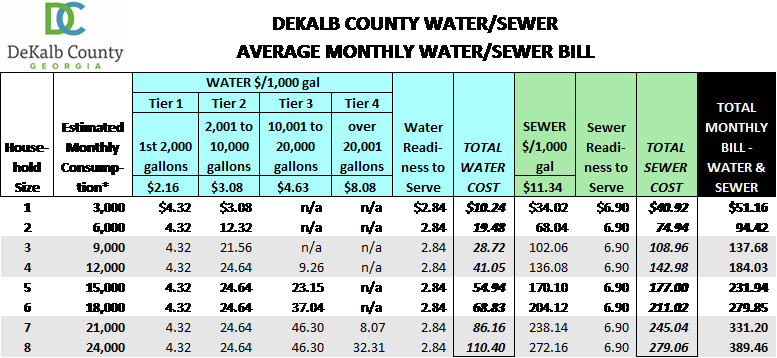
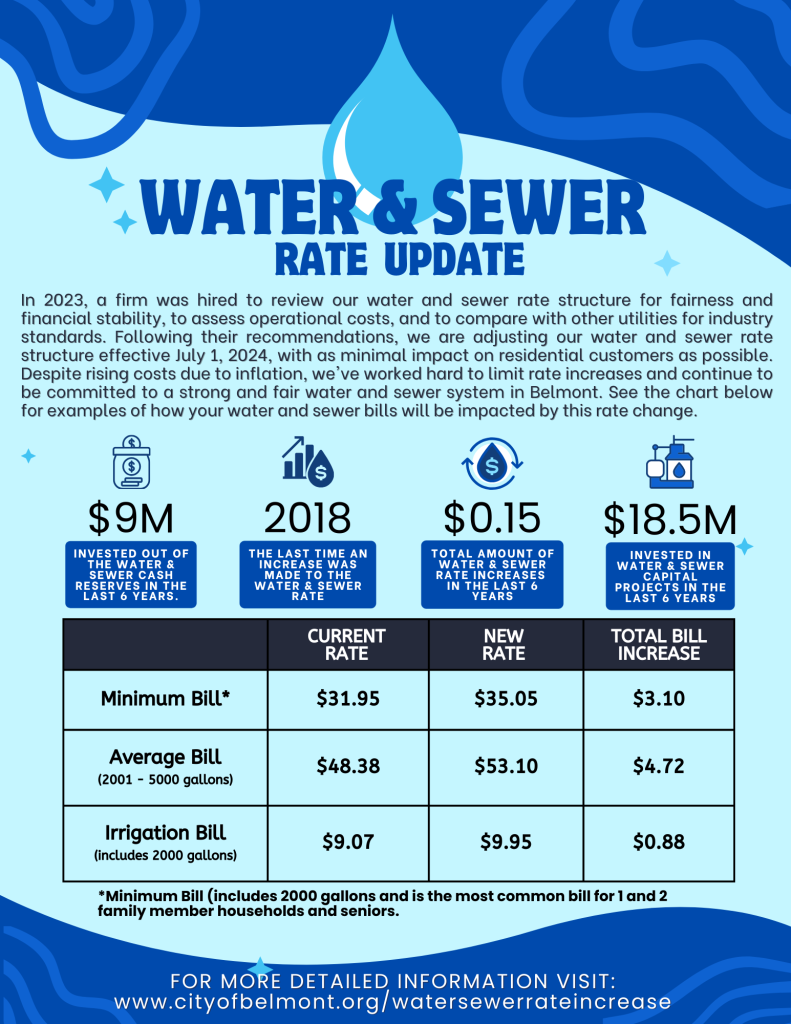
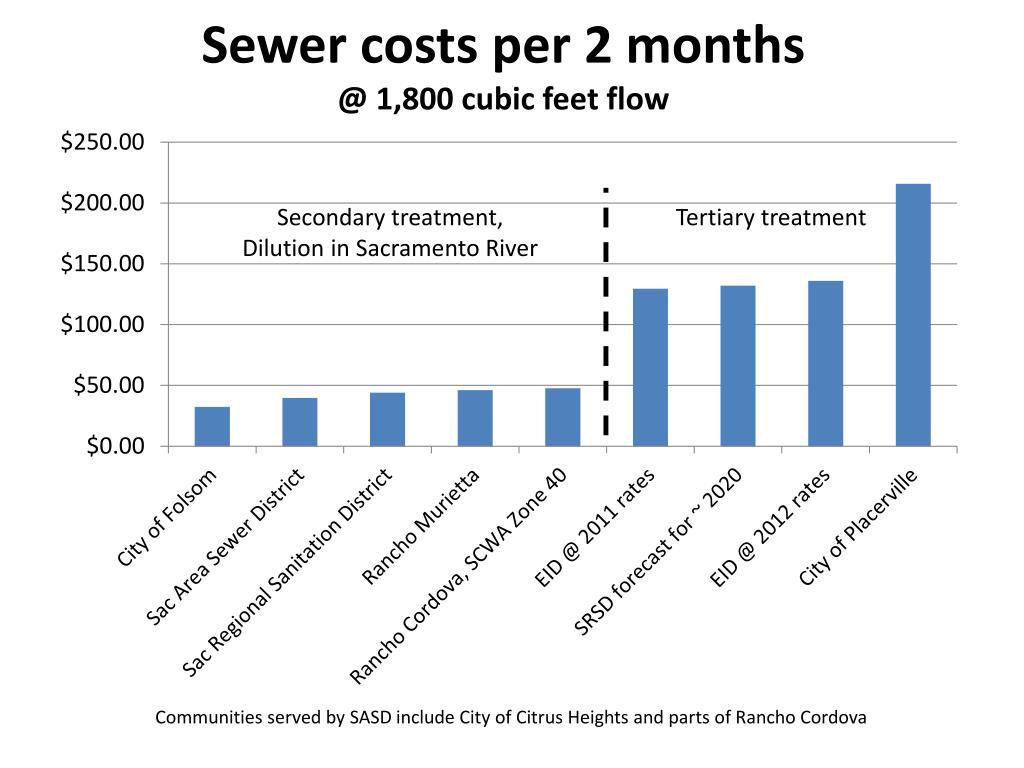
Now, let’s talk about the burning question: How much is sewage per month? Unlike water, which is often metered directly, sewage charges are usually estimated. Most utility companies calculate your monthly sewage bill based on your water consumption. The logic is simple: what goes in must come out, right? So, if you use 5,000 gallons of water, they assume roughly that much wastewater is entering the sewer system. There might be a base fee, plus a per-gallon charge that varies wildly depending on your location, local infrastructure costs, and treatment complexity. Some areas might have seasonal adjustments, or offer reductions for water used outdoors that doesn’t enter the sewer. This charge covers everything from the pipes under your street to the sophisticated machinery at the treatment plant, ensuring the water eventually returned to the environment is clean and safe. It's a payment for peace of mind and public health.
To "enjoy" your sewage system more effectively (or at least, to manage its costs better), here are a few practical tips. Firstly, conserve water! Since sewage bills are often tied to water usage, reducing your water consumption directly lowers your sewage costs. Fix leaky faucets, take shorter showers, and only run full loads of laundry. Secondly, be mindful of what you flush. Only flush human waste and toilet paper. "Flushable" wipes, grease, and other foreign objects can cause expensive clogs in your pipes and the municipal system. Thirdly, understand your bill. Many utilities list water and sewer charges separately, but some bundle them. Knowing how your local utility calculates these fees can help you identify ways to save. Finally, take a moment to appreciate the incredible, invisible service you’re paying for – a service that truly transforms our daily lives from potentially hazardous to reliably hygienic.