
How Much Is Per Kilowatt Hour
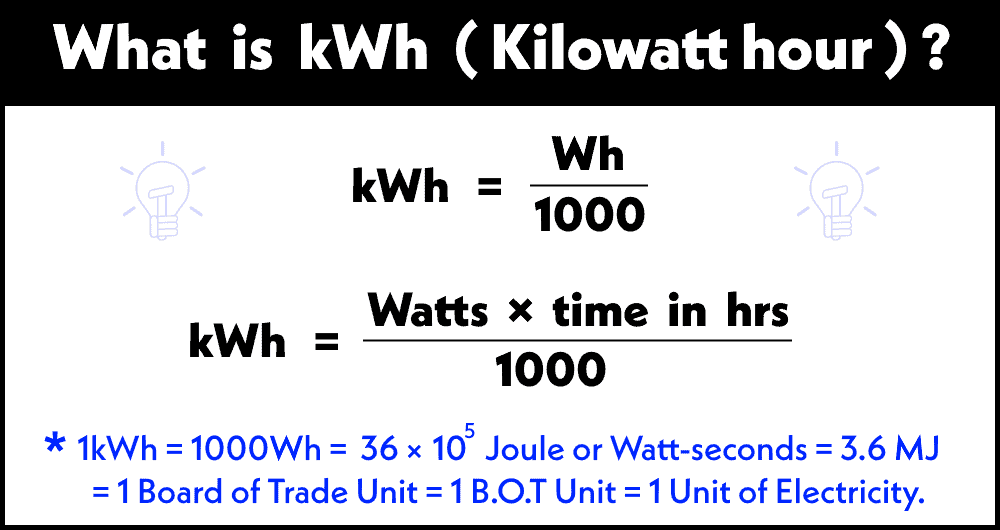
Ever gazed at your electricity bill, scratched your head, and wondered what on earth a "kilowatt-hour" really is, let alone how much it costs? You're not alone! But guess what? Understanding "how much is per kilowatt-hour" isn't some arcane science for energy experts; it's actually incredibly useful and empowering knowledge for everyday life. Think of it like knowing the price per gallon of gas for your car – it helps you understand where your money goes and how to use less if you want to. It's a surprisingly popular topic once people realize it can save them real cash!
So, why dive into this seemingly technical term? For beginners, it’s the key to unlocking the mystery of your monthly utility bill. Instead of just paying a number, you'll actually understand what you’re paying for. You'll learn that a kilowatt-hour (kWh) is simply a unit of energy, measuring how much electricity you use over time. For families, this knowledge is a superpower for budgeting. Knowing the cost per kWh helps you make informed decisions, like whether running the clothes dryer multiple times a day is really worth it, or which new energy-efficient appliance will truly save money in the long run. It's also a fantastic way to teach kids about energy conservation. And for the hobbyists or tech enthusiasts out there, whether you’re running a home server, a 3D printer, or an epic gaming setup, understanding your rate allows you to precisely calculate the cost of your passion and optimize for efficiency. It makes you a much smarter consumer!
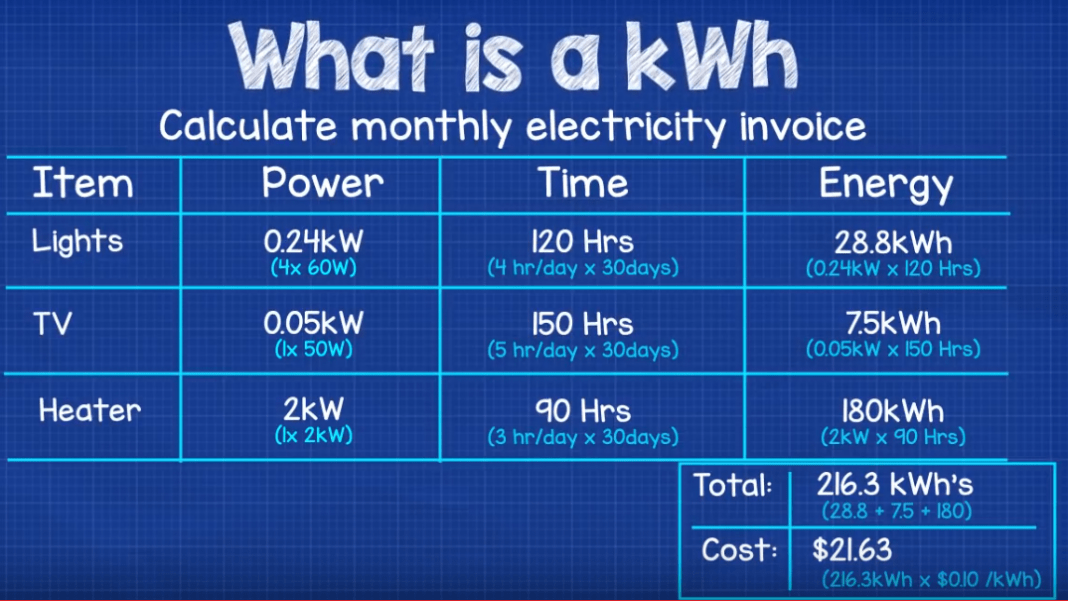
Let's talk about some variations. The "per kilowatt-hour" cost isn't a fixed global price; it varies significantly. Your cost depends on your utility company, where you live, and sometimes even the time of day you use electricity. For example, some areas have "time-of-use" rates, meaning electricity might be cheaper in the middle of the night (off-peak) than during the evening rush (peak hours). In the United States, residential rates can range from as low as 10 cents to over 30 cents per kWh, and even more in places like Hawaii or parts of California. To put it in perspective, a typical 60-watt light bulb running for 16.7 hours uses 1 kWh of electricity. If your rate is 15 cents/kWh, that light bulb costs you 15 cents for almost 17 hours of light. Now imagine a big appliance like an electric oven or a clothes dryer, which uses many more kWh per hour of operation – the costs add up much faster!
Must Read
Ready to get started? Here are some simple, practical tips. First, and most importantly, find your rate! It’s usually clearly listed on your monthly electricity bill under terms like "energy charge" or "supply charge." Keep an eye out for any tiered pricing, where the rate might increase after you use a certain amount. Second, consider investing in a small, affordable device called a Kill-A-Watt meter. You plug an appliance into it, and it tells you exactly how much electricity that device is consuming (in kWh) and, if you input your rate, even its running cost. It's a fantastic tool for identifying energy hogs! Third, get into the habit of asking yourself: "Do I really need this on right now?" Simple actions like unplugging chargers or turning off lights when leaving a room truly make a difference. Finally, when buying new appliances, always check their Energy Star rating and look for their estimated annual kWh usage – this number, multiplied by your rate, gives you a clear picture of its running cost.
Ultimately, understanding "how much is per kilowatt-hour" isn't about becoming an energy accountant; it’s about gaining control and clarity over a significant household expense. It transforms you from a passive bill payer into an informed energy manager. This little piece of knowledge empowers you to save money, reduce your environmental footprint, and make smarter choices for your home and lifestyle. It’s an enjoyable journey towards greater efficiency and peace of mind!

.png)
