How Much Is One Kilowatt Hour
Ever peeked at your electricity bill and seen a mysterious little term called "kilowatt-hour"? Maybe it looks like "kWh" and you’ve just nodded sagely, pretending to understand, while secretly wondering if it’s some secret code for how many cups of coffee you’ve brewed that month. Well, my friend, you're not alone! It sounds super technical, right? Like something an engineer would explain with a laser pointer and a very serious face.
But fear not! We're going to pull back the curtain on this everyday energy superstar and make it as easy to understand as your favorite biscuit recipe. By the end of this chat, you’ll not only know what a kilowatt-hour is but also why it’s actually pretty darn important to you, your wallet, and maybe even the planet. Let's dive in!
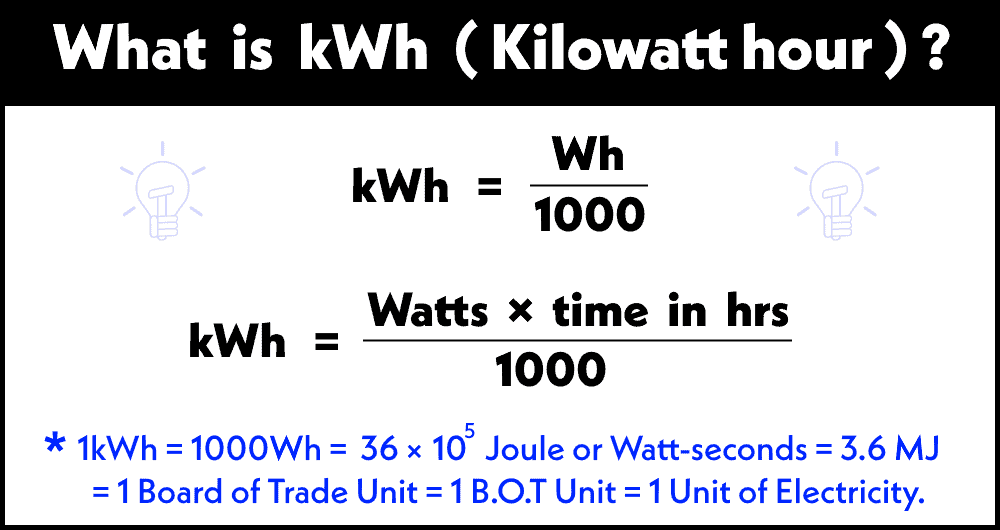
So, What Exactly Is a Kilowatt-Hour (kWh)?
Think of it this way: a kilowatt-hour isn't just about how powerful something is (that's a kilowatt). It's about how powerful it is, and for how long it's doing its thing. Imagine you have a really strong workhorse – that’s your kilowatt. But if that horse just stands there, it’s not doing much. It only earns its keep when it works for an hour – pulling a cart, ploughing a field, whatever! That's your kilowatt-hour.
Must Read
It’s the unit of energy consumption. It’s what your electricity company actually charges you for. Not how fast your TV can turn on (power), but how much "work" it does over time (energy). Kinda like how you pay for liters of petrol your car uses, not just how big its engine is, right?
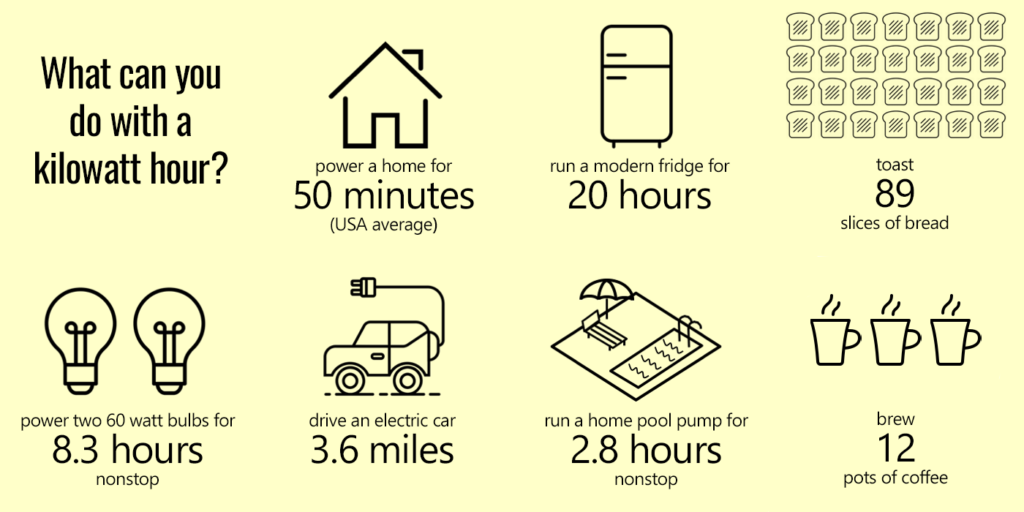
What Does One kWh Get You In Real Life?
Alright, let’s get down to brass tacks. What can a single, humble kilowatt-hour actually power? Prepare to be surprised by how much (or how little, depending on the appliance!) work this little unit does:
.png)
- A Mini TV Marathon: You could watch your favorite 40-inch LED TV for about 10 hours straight. Perfect for a lazy Sunday binge-watching session, right?
- Loads of Laundry: One wash cycle in a modern washing machine often uses around 0.5 to 1 kWh. So, one kWh might get your clothes sparkling clean for one full load.
- Hot Toasts for Days: Your trusty toaster, while powerful, is only on for a few minutes. A single kWh could probably make you a whopping 20-30 rounds of toast. Imagine the breakfast parties!
- Brighten Up Your Room: Got an old-school incandescent light bulb (the kind that gets hot)? A 60-watt bulb could stay on for over 16 hours with just one kWh. If you've switched to LED, that same kWh could keep a 9-watt LED bulb glowing for an incredible 111 hours! That’s nearly five days of continuous light.
- Microwave Magic: Zapping leftovers or popping popcorn? A microwave uses a lot of power but for short bursts. A single kWh could power your typical microwave for about an hour of total cooking time. Plenty of reheated dinners there!
- Epic Gaming Sessions: If you're a gamer, your console (like a PS5 or Xbox Series X) might use around 200 watts when actively playing. So, one kWh could give you about 5 hours of intense virtual adventuring. Go save that princess!
See? It’s not some abstract number; it’s tangible energy that powers the stuff we use every single day. From that first cup of coffee to the last Netflix episode of the night.
Why Should I Even Care About This 'kWh' Thing?
Beyond being able to impress your friends at the next dinner party with your newfound energy wisdom, there are some really solid, smile-inducing reasons to care about kilowatt-hours:
1. Your Wallet Will Thank You (Big Time!): This is the big one! Every kWh you use costs money. Understanding how much energy your appliances consume can help you spot the energy guzzlers in your home. Remember Aunt Mildred’s old fridge that hummed like a small tractor? Bet that thing was a kWh muncher! Knowing this lets you make smarter choices – maybe unplugging chargers, upgrading old appliances, or just being mindful. Every kWh saved is a penny (or more!) in your pocket.
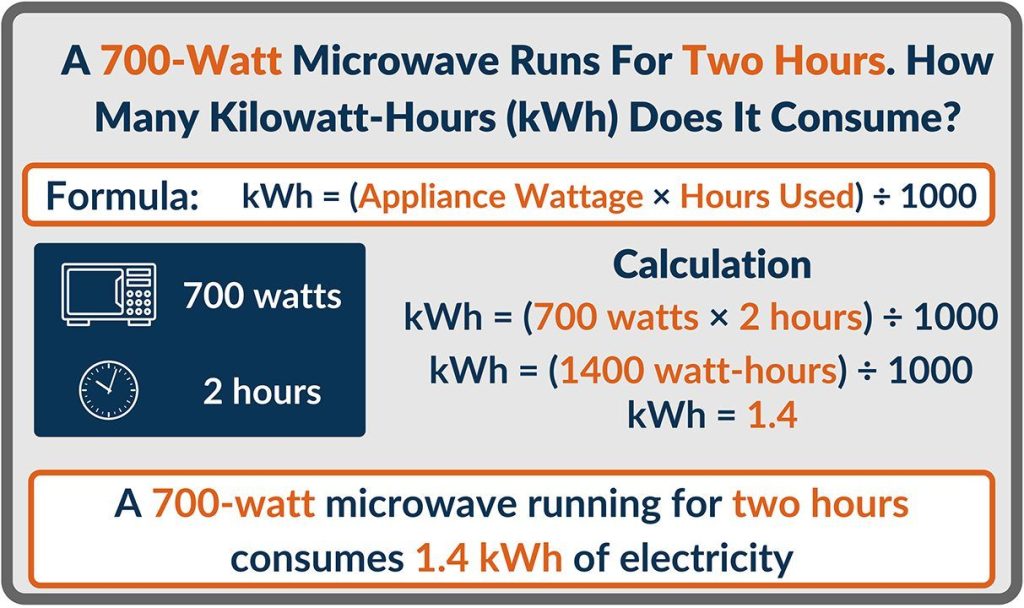
2. Be a Planet-Saving Superhero (Without the Cape): Less energy consumed means less electricity needs to be generated. And less generation often means fewer fossil fuels burned, leading to a smaller carbon footprint. So, when you consciously reduce your kWh usage, you're actually doing a little happy dance for Mother Earth. How cool is that?
3. Empowerment Through Knowledge: Let's be honest, utility bills can feel a bit like a mystery novel sometimes. But when you understand what a kWh is, you're no longer just passively paying a bill. You become an energy detective! You can look at appliance labels, estimate costs, and truly understand where your money is going. That sense of control? Priceless.
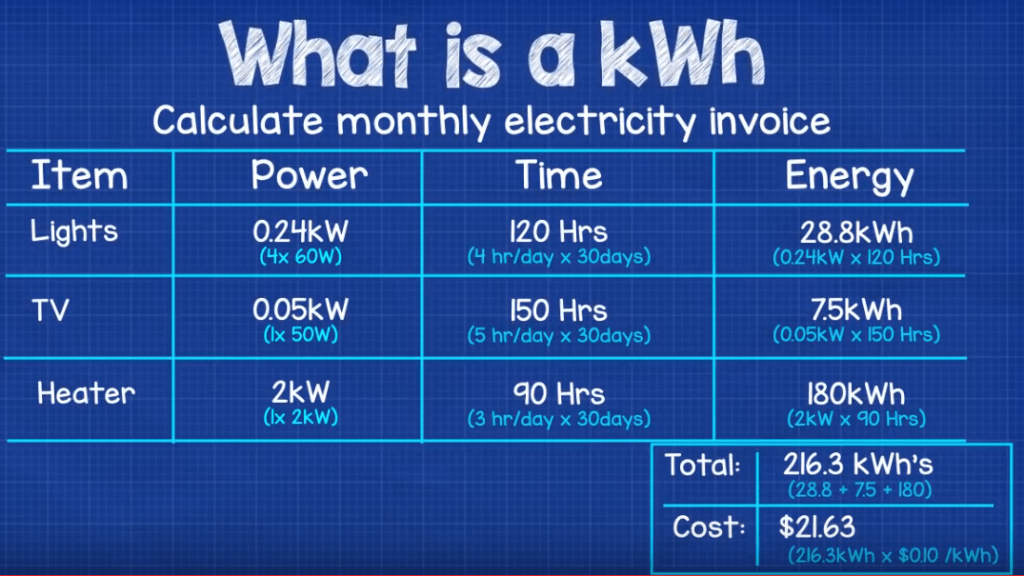
4. Smart Shopping for Appliances: Next time you’re buying a new fridge or washing machine, you'll notice those little yellow EnergyGuide labels. They often tell you the estimated annual kWh usage. Now, instead of just seeing a number, you’ll know exactly what that means for your future bills. You'll be making informed decisions, not just picking the prettiest model!
Your Energy Journey Starts Now!
So there you have it! The not-so-mysterious kilowatt-hour, explained in a way that hopefully made you smile a little and feel a lot smarter. It's not just a jargon-y term; it's the heartbeat of your home's energy consumption. By paying a little attention to those kWh, you can save money, help the environment, and feel more in control of your household budget.
Go forth and be an energy-aware superstar! Your wallet, your planet, and your future self will all send you virtual high-fives.