
How Much Is Kwh Of Electricity
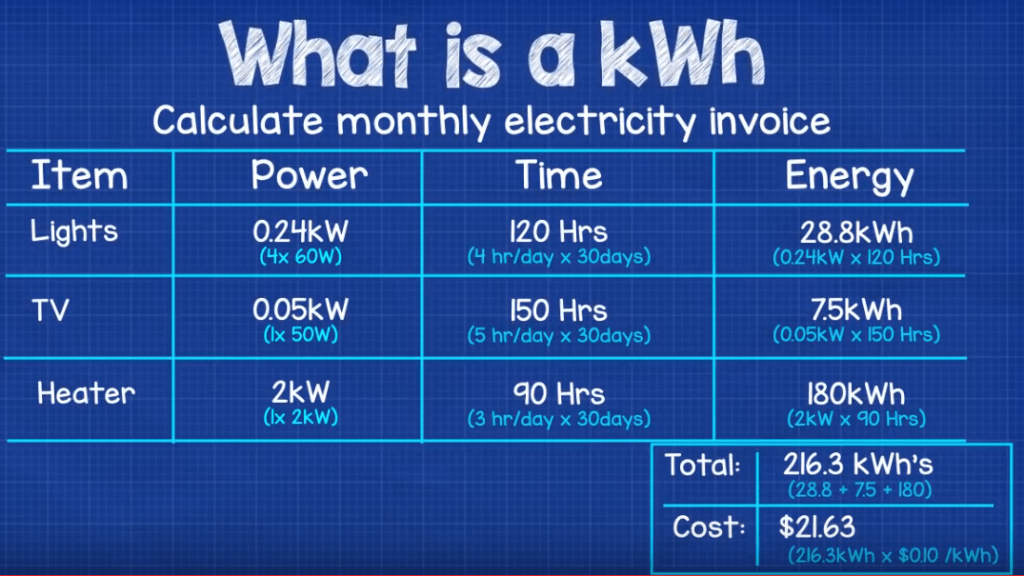
Ever stare at your electricity bill? You know, the one that arrives like a surprise party no one asked for? You flip it open, brace yourself, and there it is. A bunch of numbers, a few charges, and then, inevitably, the letters: kWh.
Ah, kWh. The three most mysterious letters in modern life, perhaps after NASA or WTF. We see them, we know they're important, but do we really know what they mean? And more importantly, how much is one of these magical units of energy?
My totally unpopular opinion? It's all a bit of a friendly conspiracy. A grand, societal agreement to just smile, nod, and pay up, pretending we understand. Because let's be honest, trying to figure out "how much is a kWh of electricity?" is like trying to explain the appeal of reality TV to a cat.
Must Read
The Great kWh Mystery
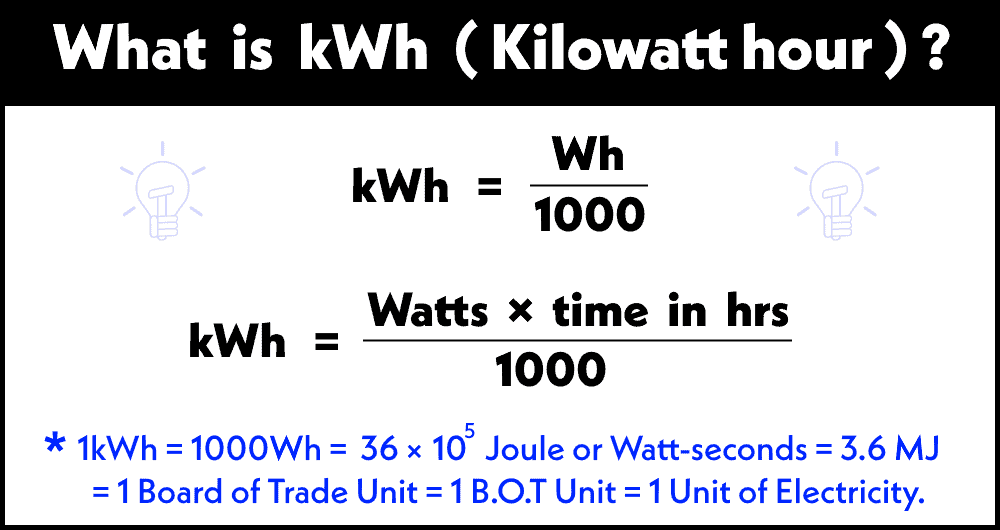
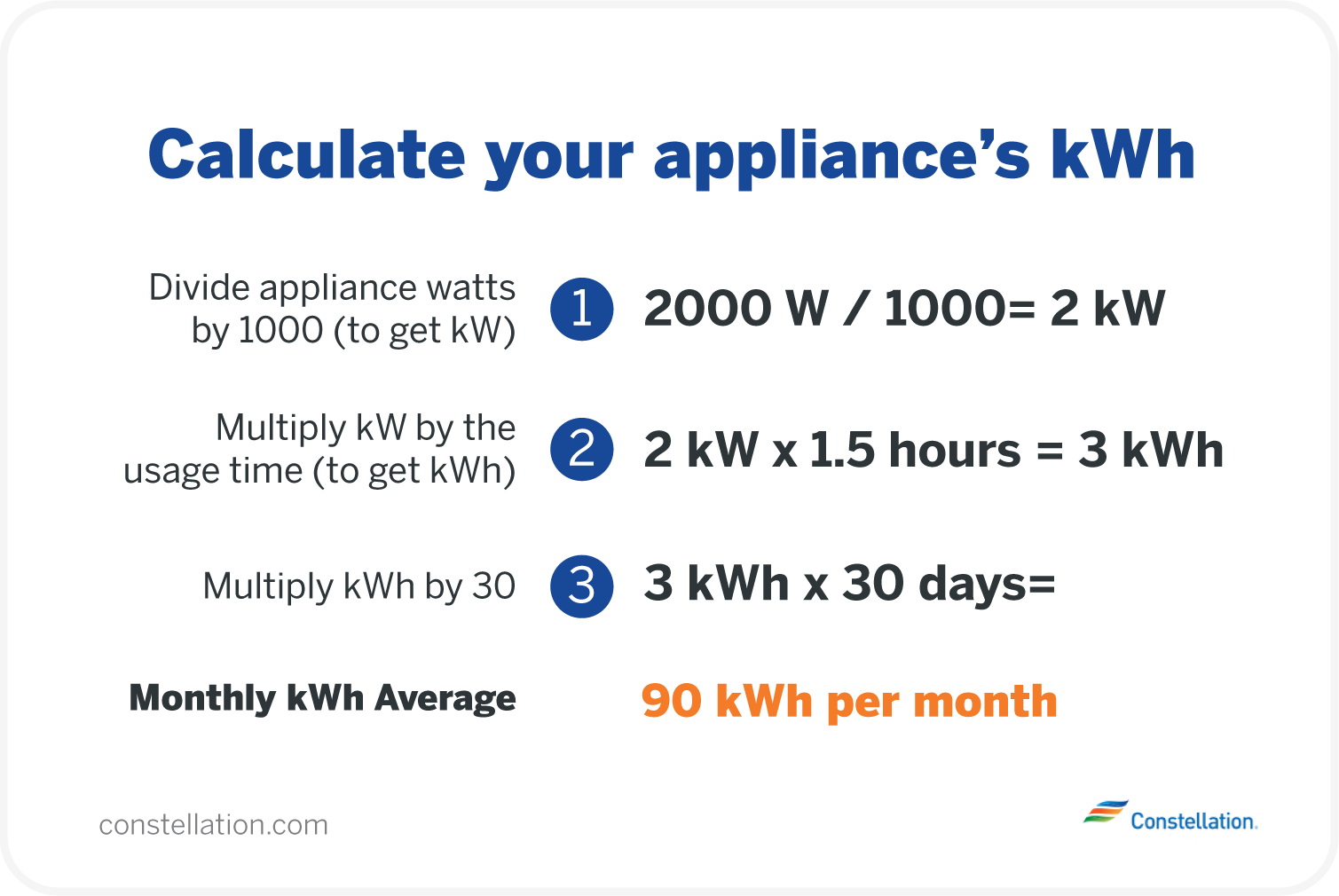
So, what is a kilowatt-hour? Picture this: you have a powerful toaster. A truly magnificent toaster that uses 1,000 watts of power (that's one kilowatt) when it's toasting. If you let that glorious toaster run for one whole hour, congratulations! You've just used one kWh of electricity. Simple, right?
Except it’s not. Because who toasts for an entire hour? And who actually knows how many watts their phone charger uses? Or their TV? It feels like we're all playing a game where the rules are written in invisible ink, and the only visible part is the final score – your bill.
"It’s like asking, 'How many socks are in a load of laundry?' Who counts?"
We're told our appliances have these wattages. Our fridge, our lights, that ancient microwave. Each one is quietly gobbling up these mysterious watts, and then, over time, they accumulate into kilowatt-hours. And each of those kWhs has a price tag.
The Price of Invisible Energy
This is where the real fun begins. Because the cost of a kWh isn't just one neat, universal number. Oh no, that would be far too easy. It varies more than my commitment to a diet.

It depends on where you live. It depends on the time of day you use it (peak hours? Off-peak hours? Who decided this?). It depends on the phase of the moon, probably. Maybe even what you had for breakfast.
One minute, it's 10 cents. The next, it's 20 cents. Sometimes, it's a bewildering tiered system where the first block of kWhs is cheap, and then suddenly, you're paying luxury prices for simply existing. It’s like a secret menu at an energy restaurant, and you only see the final bill.
I mean, think about it. You plug in your laptop. You stream a movie. You leave a light on in the next room because you're sure you'll be back in there eventually. Each of these actions is slowly, silently, adding to your kWh count. And each increment is adding to that final number on your bill, like tiny, invisible tax collectors working around the clock.
My Unpopular Opinion: We Don't Care (Enough)
Here it is. My grand, controversial theory: most of us don't actually care how much a kWh is, not really. Not in the granular, technical sense, anyway.
.png)
We care about the total bill. We care about whether it makes us gasp, sigh, or merely grumble. We care if it means we have to eat ramen for a week. But the journey of those individual kWhs from generator to toaster to bill? That's a journey most of us are content to leave to the professionals.
We understand the concept of using "too much." We get that leaving lights on is "bad." We know that cranking the AC to Arctic levels in summer will "cost more." But translating that into a precise kWh calculation? Nah. We mostly just adjust the thermostat, turn off a light, or maybe, just maybe, unplug that phone charger for a few minutes of dramatic effect.
"It’s the electricity company's job to count the kWhs. Our job is to complain about the total."
So, the next time you see "kWh" on your bill, give it a knowing nod. Smile to yourself. You're part of a beautiful, silent agreement. An understanding that some things are simply too gloriously vague to pin down. And that's okay. Because at the end of the day, we still need our lights, our Netflix, and our magnificent toasters. And sometimes, blissful ignorance is just part of the electric dream.