How Much Is Kilowatt Hour
Alright, let’s talk about something that pops up on your electricity bill every month, often without a second thought, until you see that final grand total. We're talking about the kilowatt-hour, or as its friends call it, kWh. Sounds super technical, right? Like something a scientist in a lab coat would ponder while stroking a very intelligent-looking cat. But trust me, it’s not that scary, and understanding it can actually make your wallet a little happier.
What in the world is a Kilowatt Hour, anyway?
Imagine you're at a buffet, but instead of food, it's energy. A kilowatt is like the power your appliance needs to do its thing – how much juice it wants right now. Think of it as the appliance's appetite. A big appliance, like your oven, has a huge appetite (high kilowatts). Your phone charger? Barely a snack (low kilowatts).
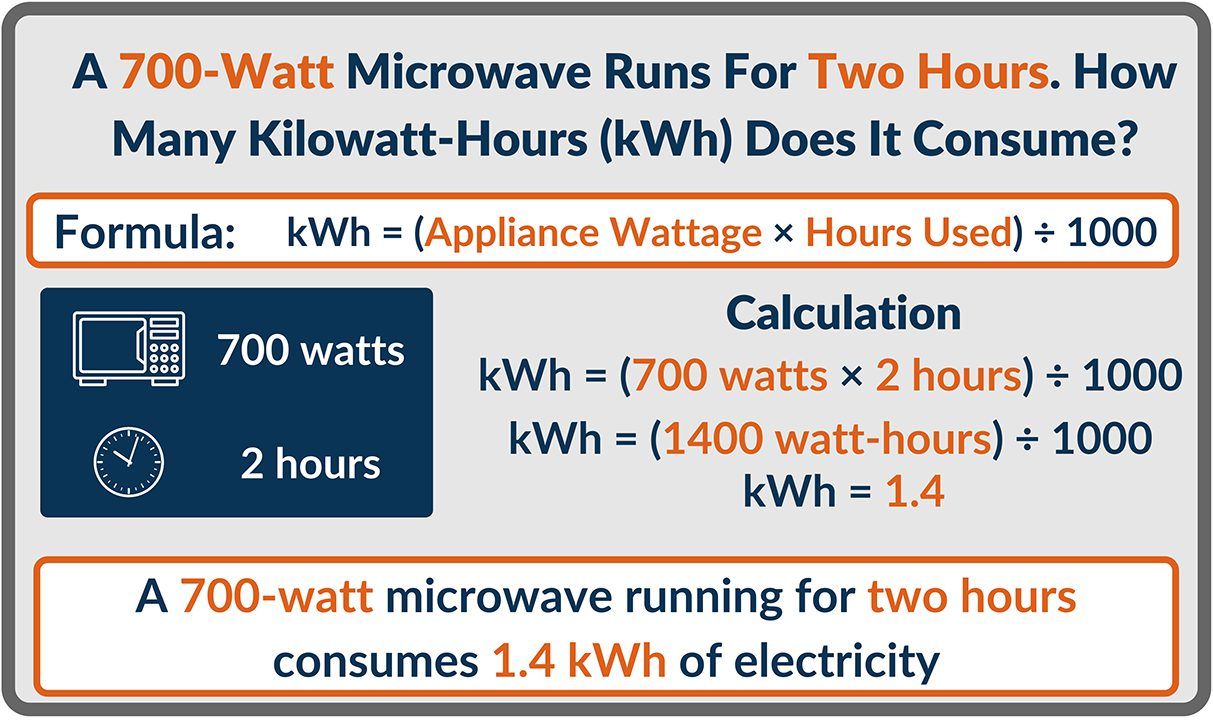
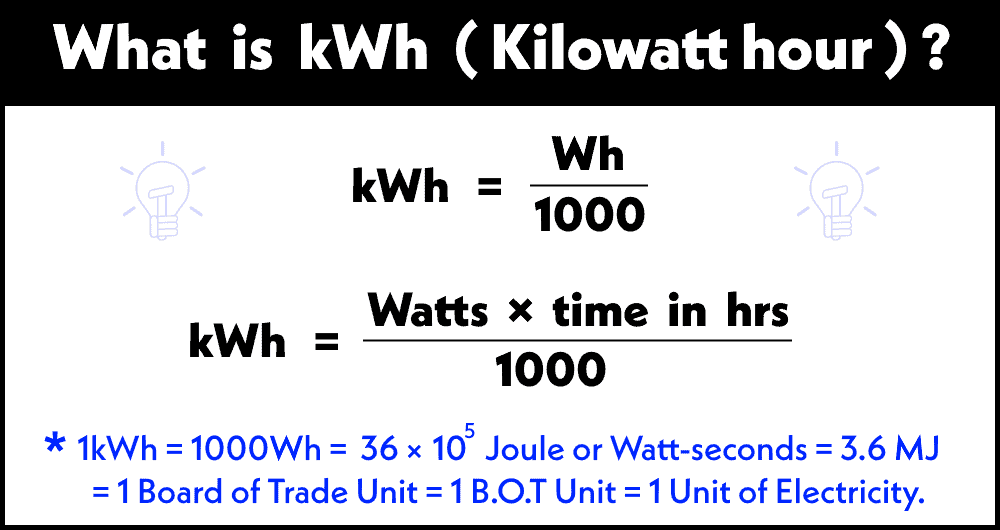
Now, the hour part is just how long that appliance keeps munching. So, a kilowatt-hour is simply how much energy an appliance uses if it pulls one kilowatt of power for one full hour. It's the unit your utility company uses to measure your total energy consumption, much like how a grocery store sells you bananas by the pound or kilogram. They're just selling you energy by the kWh.
Must Read
It’s not rocket science; it's just a way of saying, "Hey, you used this much power for this long, so here's the tab!"
Okay, but How Much Does One Kilowatt-Hour Cost?
Ah, the million-dollar question – or rather, the ten-cent question! The actual cost of a kWh varies wildly, like finding out the price of a coffee changes from your local indie shop to that fancy place with the velvet ropes. It depends on where you live, your specific electricity plan, the time of year, and sometimes even the time of day.
.png)
But generally speaking, in many parts of the U.S., a single kWh might set you back anywhere from 10 to 25 cents. Sometimes a bit less, sometimes a bit more. To put that in perspective, that’s usually less than a single gumball, a penny, or maybe the dust bunnies under your couch. It’s almost comically cheap on its own.
The trick, of course, is that these tiny little kWhs love to gang up on you. And that’s where things get interesting!
Let's Get Real: What Uses a kWh?
You’re not usually paying for just one kWh, are you? Your entire house is a bustling metropolis of kWh-gobbling gadgets. Here are some fun, relatable examples:
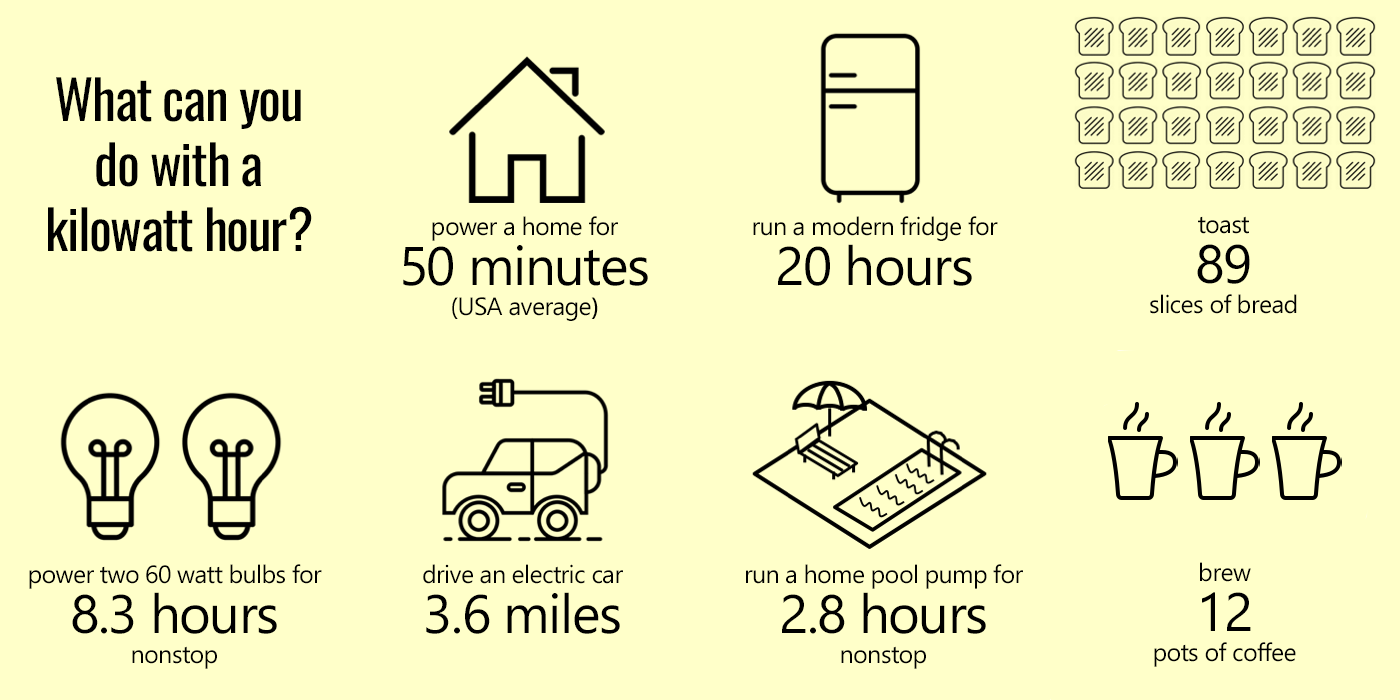
- Phone Charging: Want to charge your phone from zero to hero? You’re looking at maybe 0.005 kWh. Basically, it's free. Your phone charger is like that friend who always "forgets" their wallet at the coffee shop – barely registers on the bill.
- LED Light Bulb (10W): Keeping one of these eco-friendly marvels on for 100 hours might just about hit 1 kWh. So, leaving a single LED on all night? Don't sweat it. Leaving ten on for a week? Now we're talking a few dollars.
- Television (LED, 50-inch): Binge-watching your favorite show for 5 hours? That might be around 0.5 kWh. A full day of TV? Maybe 2-3 kWh. So, yes, your weekend Netflix marathon isn't breaking the bank on power, but it's not totally free either.
- Desktop Computer (with monitor): Chugging away for 5 hours? Probably around 1 kWh. Your gaming rig, however? That might double it.
- Washing Machine: Doing one load of laundry (warm wash, cold rinse) can be about 0.5 - 1 kWh. The dryer? Ah, the dryer is the real hungry hippo! One cycle could easily be 2-4 kWh. This is where those pennies start adding up to dollars faster than you can fold a fitted sheet.
- Air Conditioner (Central, 3-ton): This is often the undisputed heavyweight champion of your electricity bill. Running it for just one hour on a hot day could gobble up anywhere from 2 to 5 kWh, or even more. This is why your summer bill feels like it went to college and then took a year abroad – it’s expensive!
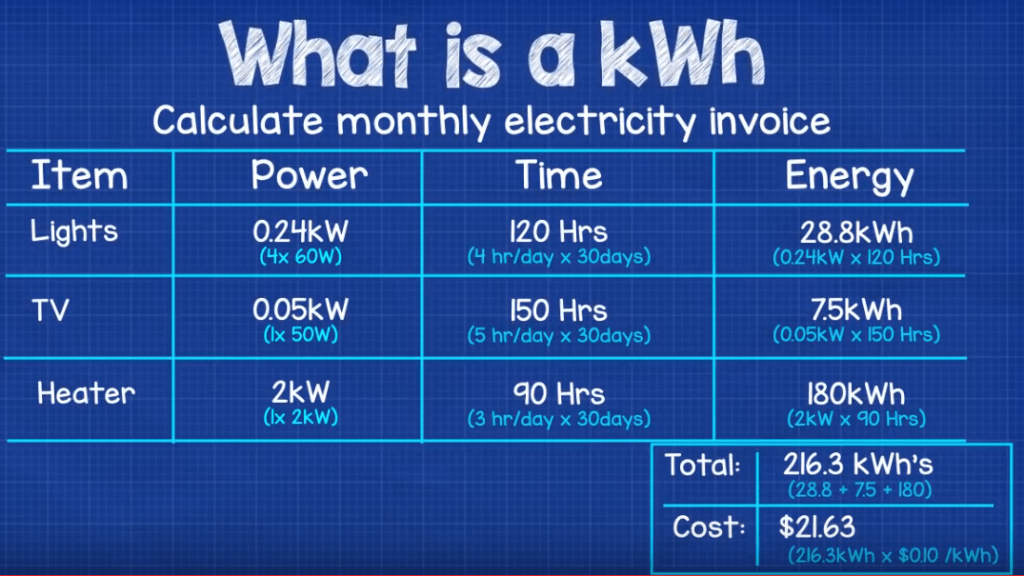
See? Individually, most things are cheap. It's the cumulative effect, the sheer volume of "stuff" we have plugged in and powered up, that transforms those single gumballs into a rather substantial bag of candy.
So, What's the Takeaway, Besides a Smile?
Understanding the kilowatt-hour isn't about becoming an energy expert or obsessively tracking every watt. It’s about realizing that while that single blink of a light bulb uses next to nothing, letting your old, inefficient fridge hum away for years, or blasting the AC with the windows open, will make those tiny kWhs unite into a formidable army against your bank account.
Next time you glance at your electricity bill and see "Total kWh Used," you won't just see a random number. You'll see a mental montage of your morning coffee, your evening movie, and perhaps the epic battle your dryer wages against wet towels. And maybe, just maybe, you'll feel a little more in control, and a little less mystified by that little unit called the kilowatt-hour.