
How Much Is For A Vet Check Up
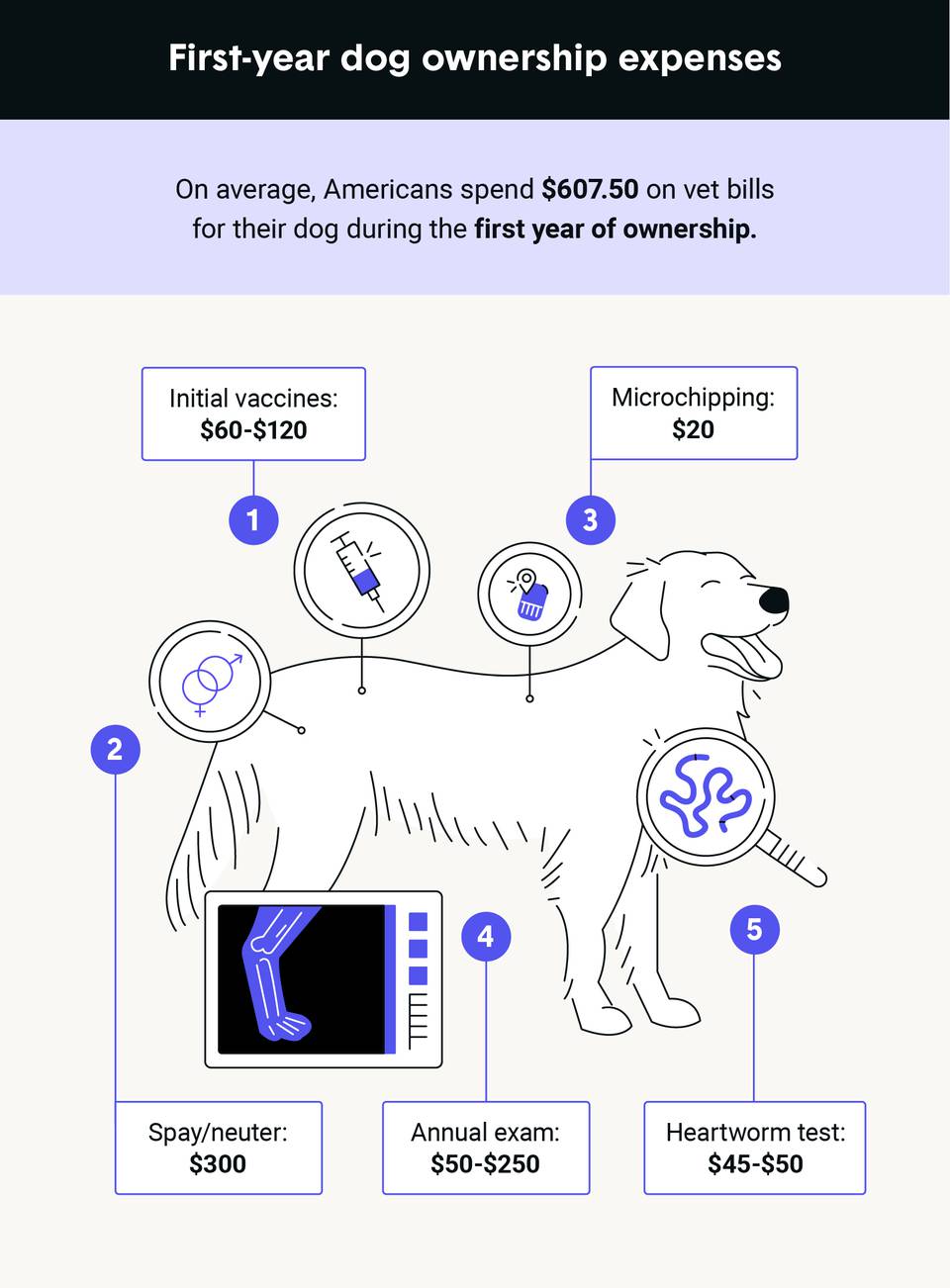
Alright, let's talk about something that might make your wallet twitch just a little – vet check-up costs. We all love our furry, scaly, or feathered companions, but keeping them healthy isn't free. Think of it like this: you wouldn't skip your own annual physical, would you? Okay, maybe you would, but you shouldn't! And the same goes for your pets. Let’s dive into what you can expect a check-up to cost and why it’s worth every penny.
The Big Question: How Much Are We Talking?
The honest answer? It varies. A lot. Like ordering a coffee – you can get a basic drip, or you can go wild with a caramel macchiato with extra foam. Veterinary care is similar. A basic check-up is usually in the range of $50 to $100. However, this is just a starting point. Think of it as the base price – the "entry fee" to the world of vet care.
Several things can impact the final bill:
Must Read
- Location, Location, Location: Just like real estate, vet costs can be higher in cities and pricier neighborhoods. Rural areas often have lower rates.
- Type of Animal: A hamster check-up will likely be less expensive than one for a Great Dane. Size (and the potential doses of medication needed) matters!
- The Clinic Itself: A swanky, state-of-the-art clinic with all the latest gadgets might charge more than a smaller, family-run practice.
- What's Included: The "basic" check-up might not include things like vaccinations, fecal exams, or bloodwork. These are usually extra.
Basically, it’s a bit of a guessing game until you actually get a quote. Don’t be afraid to call around and ask for estimates!
Beyond the Basics: What Else Might You Need?
Okay, so you’ve got the base price in your head. Now let's consider the potential add-ons. These are the things that can quickly bump up the cost, but they're often crucial for keeping your pet healthy and happy.
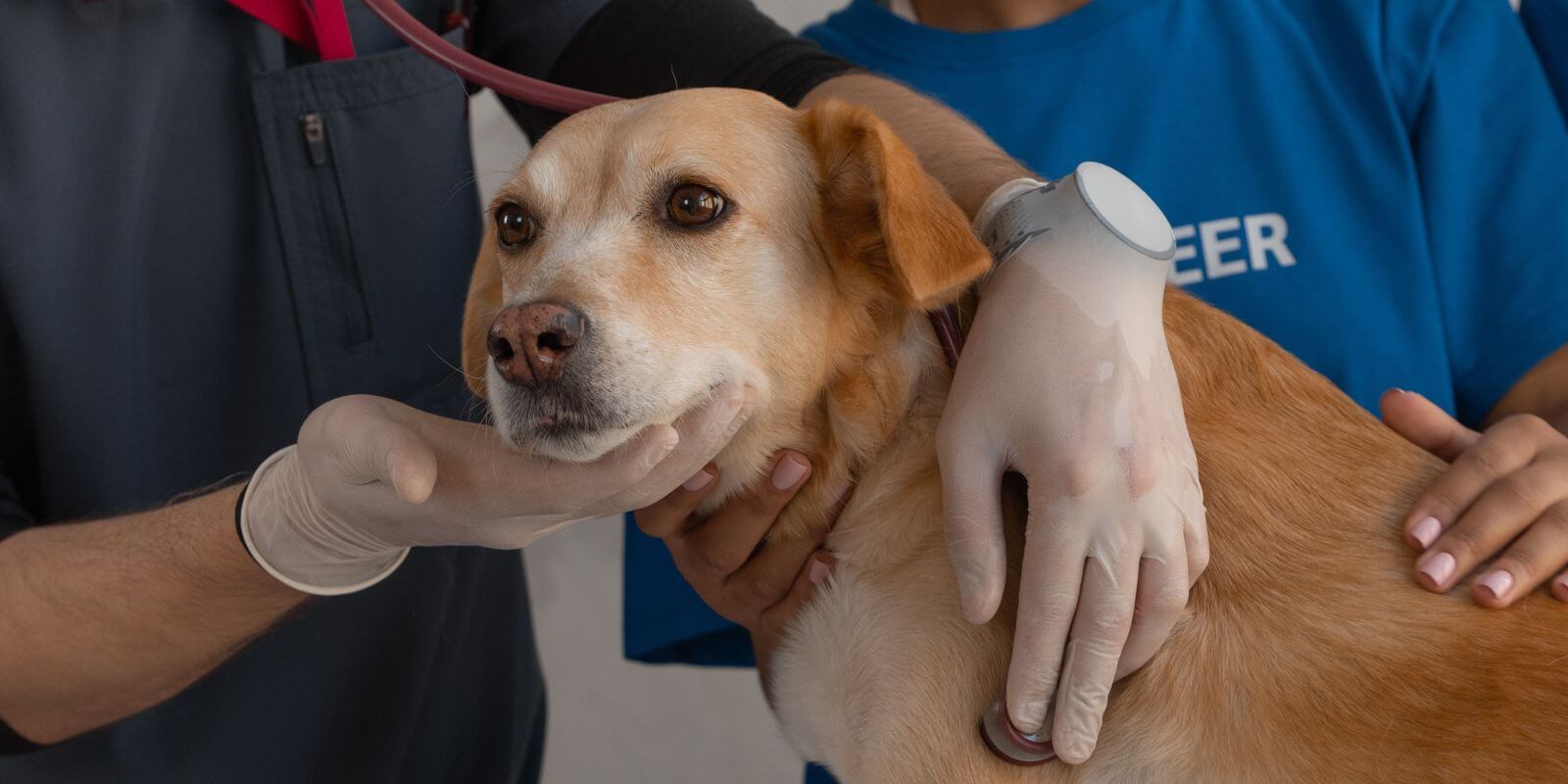
Imagine your vet is like a detective, and these add-ons are the tools they use to solve the mystery of your pet's health.
- Vaccinations: These are essential for preventing nasty diseases. Prices vary depending on the vaccine. Think of them like an antivirus software for your pet!
- Fecal Exams: Nobody likes talking about poop, but it's a goldmine of information! A fecal exam checks for parasites like worms.
- Heartworm Tests: Especially important for dogs (and sometimes cats), these tests detect heartworm, a potentially fatal parasite transmitted by mosquitos.
- Bloodwork: Blood tests can reveal a whole range of issues, from kidney problems to infections. It's like an internal check-up for your pet's organs.
- Dental Cleaning: Just like us, pets need their teeth cleaned! Neglecting dental hygiene can lead to serious health problems.
It's a good idea to discuss these options with your vet and understand why they're recommending them. Don't be afraid to ask questions!
Why Bother? The Importance of Regular Check-Ups
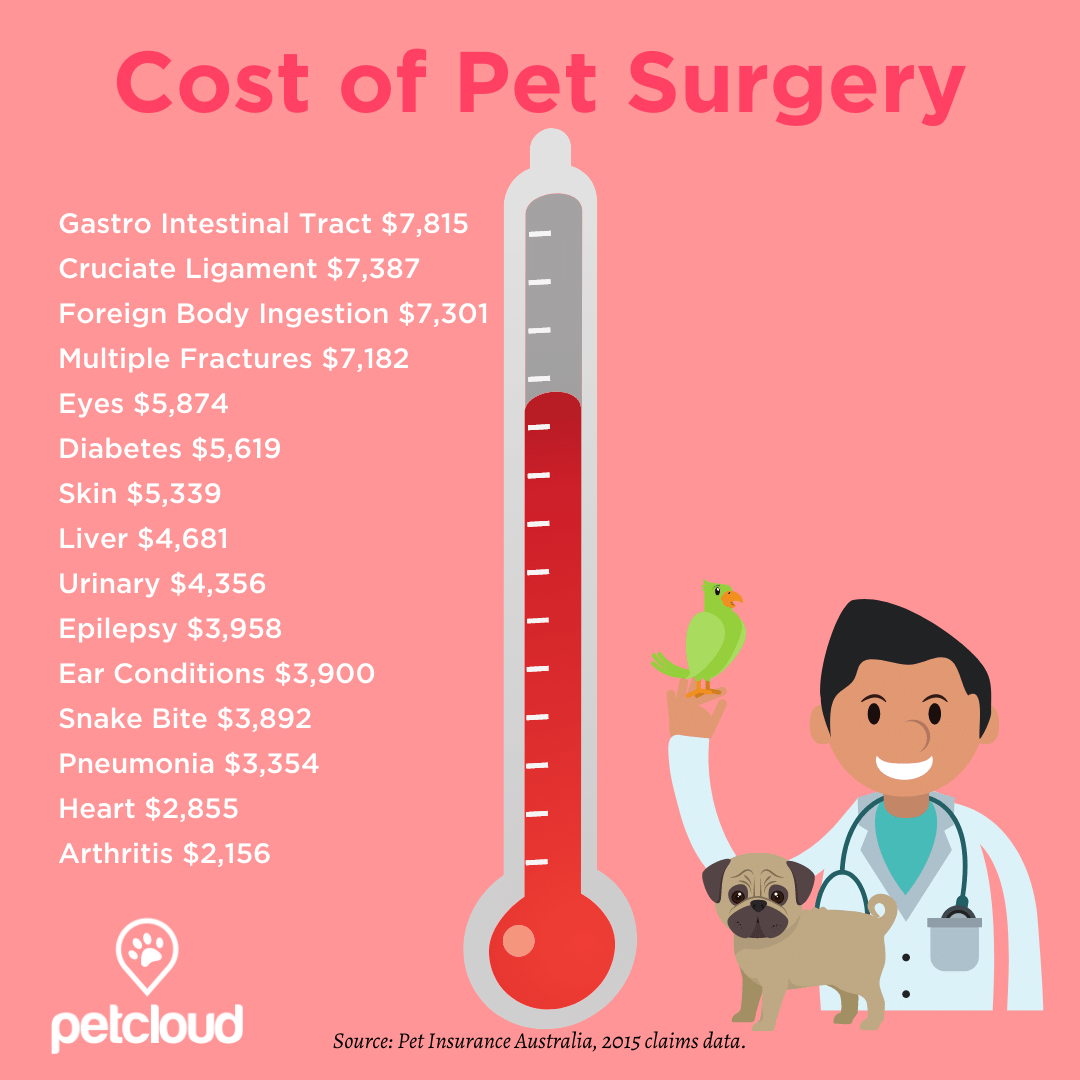
I know, I know. Spending money on vet visits isn’t always fun. But trust me, preventative care is always cheaper than treating a full-blown illness. It's like changing the oil in your car – a small investment now can prevent a massive engine failure down the road.
Regular check-ups allow your vet to:
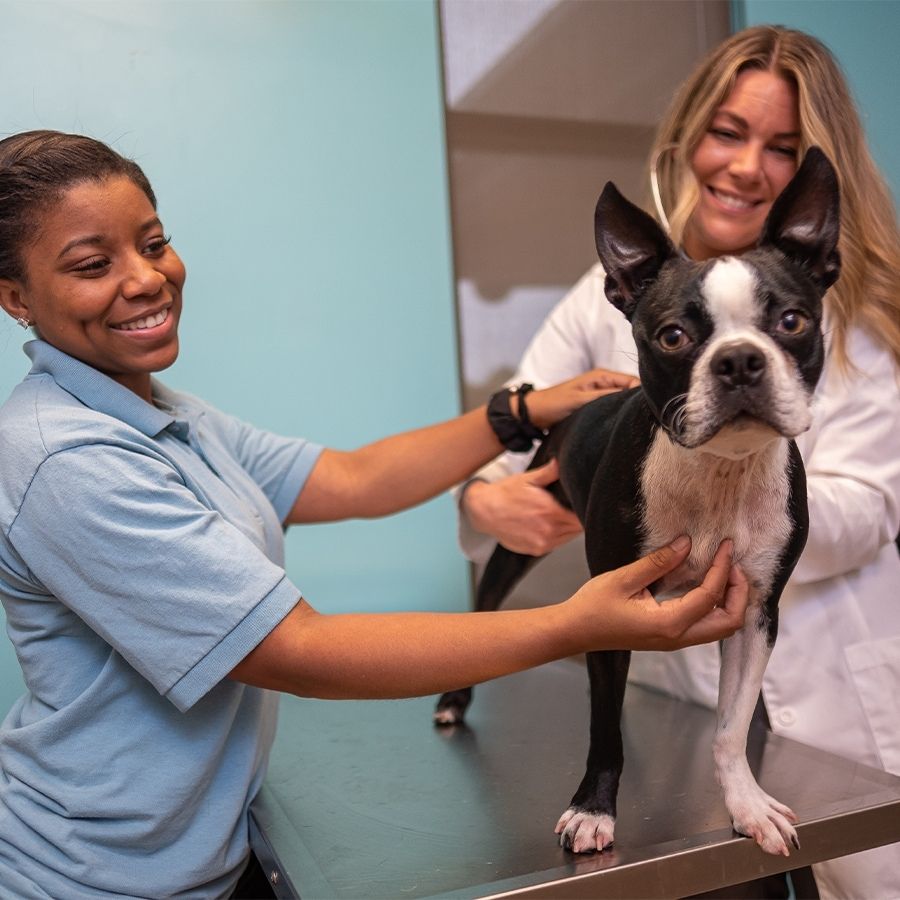
- Catch problems early: Many diseases are easier (and cheaper) to treat if caught early.
- Keep vaccinations up-to-date: Protecting your pet from preventable diseases.
- Monitor your pet's weight: Obesity is a major health problem in pets.
- Provide advice on diet and exercise: Helping you keep your pet healthy and active.
Think of it this way: a healthy pet is a happy pet. And a happy pet makes for a happy owner! Plus, you’ll avoid those expensive emergency vet visits in the middle of the night. Trust me, those are not budget-friendly.
Tips for Saving Money (Without Sacrificing Care)
Okay, so you’re convinced that vet check-ups are important, but you're still trying to keep costs down? I get it! Here are a few tips:
- Shop Around: Call different clinics and compare prices.
- Ask About Packages: Some clinics offer packages that include vaccinations, fecal exams, and other essential services at a discounted rate.
- Consider Pet Insurance: Pet insurance can help cover the cost of unexpected illnesses and injuries.
- Preventative Care is Key: As mentioned before, this can keep expensive problems at bay.
- DIY Where You Can (Safely): Nail trims can often be done at home with the right tools and a little practice. There are plenty of YouTube tutorials!
Ultimately, taking care of your pet's health is an investment in their well-being and your own happiness. Don’t let the cost scare you away from providing them with the care they deserve. A little planning and research can go a long way!
