
How Much Is A Normal Water Bill For 2 People
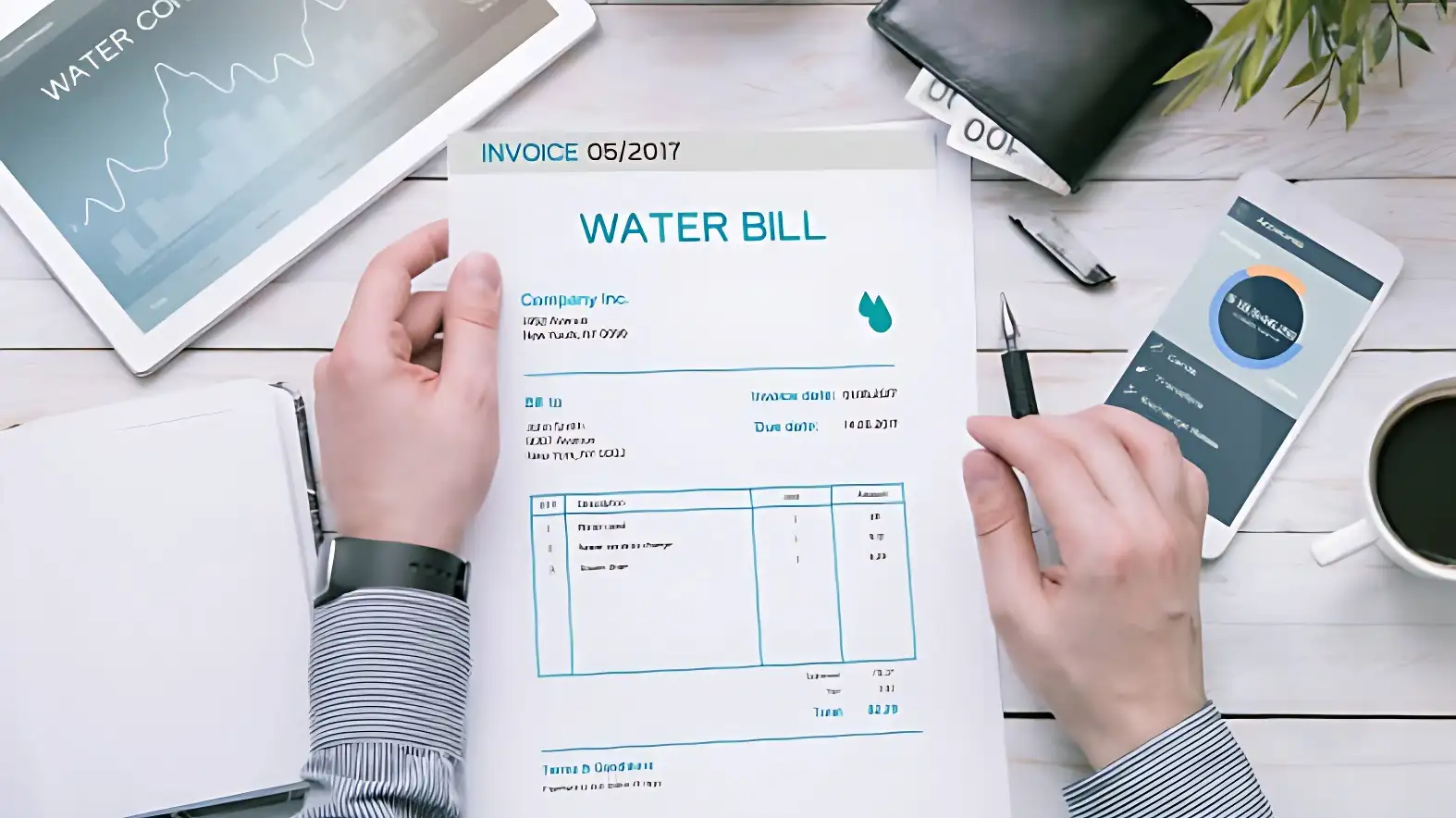
Ever wondered how much water your neighbors really use? Or if you're secretly funding a small water park with your monthly bill? Let's dive into the fascinating, occasionally soggy, world of water bills for two-person households.
The Big Question: What's "Normal"?
Okay, so what's the magic number? What amount is considered normal? It's trickier than finding a matching pair of socks in the laundry. It really depends!
Think of it like this: "normal" is relative. What's normal for a desert dweller is different from a coastal resident.
Must Read
Location, Location, Location!
Where you live plays a HUGE role. States with drier climates, like Nevada or Arizona, often have higher water costs. Limited supply equals higher prices.
Meanwhile, states with abundant water, like Michigan or Maine, might see lower rates. Lucky ducks!
Usage Habits: Are You a Sprinkler Superstar?
How you use water is another key piece of the puzzle. Are you a fan of long, luxurious showers? Do you have a pristine, green lawn that requires daily watering?
Or are you a water-saving ninja, taking quick showers and letting your lawn go a little brown? Honesty is key here!
Appliance Efficiency: Old vs. New
Your appliances matter too! A brand-new, water-efficient washing machine uses significantly less water than an old, clunky one.
Same goes for your toilet and dishwasher. Upgrading can save you serious water (and money!).
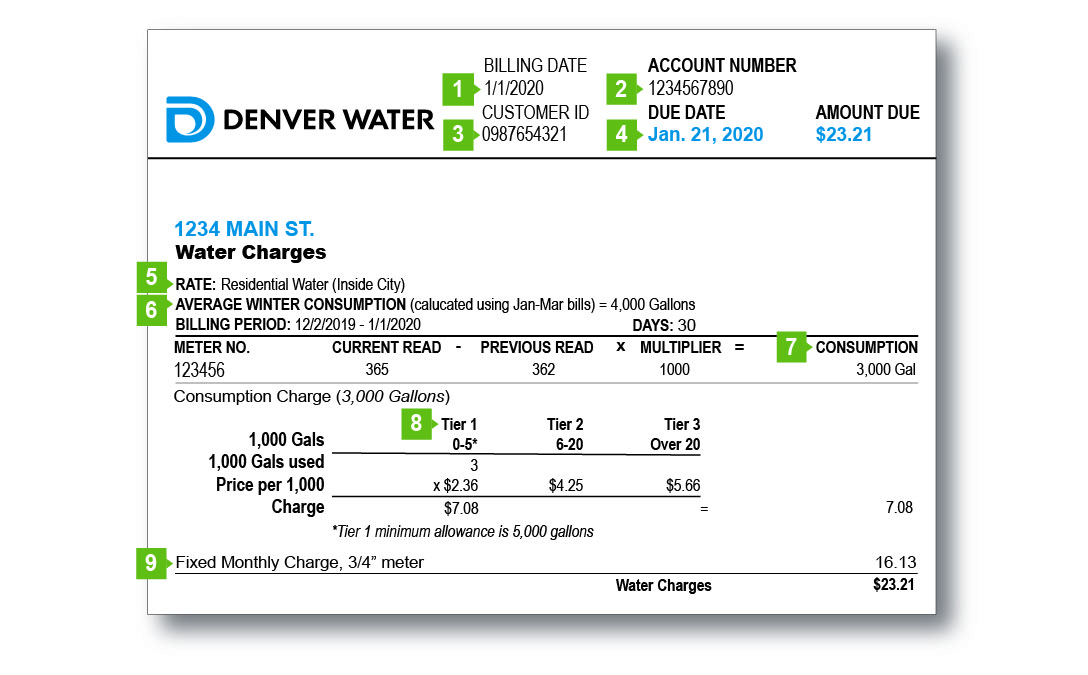
Decoding Your Bill: A Detective's Guide
Your water bill isn't just a random number. It's a treasure trove of information! Learning to decipher it can be empowering.
Look for details on your water usage, rates, and any fees. Knowledge is power!
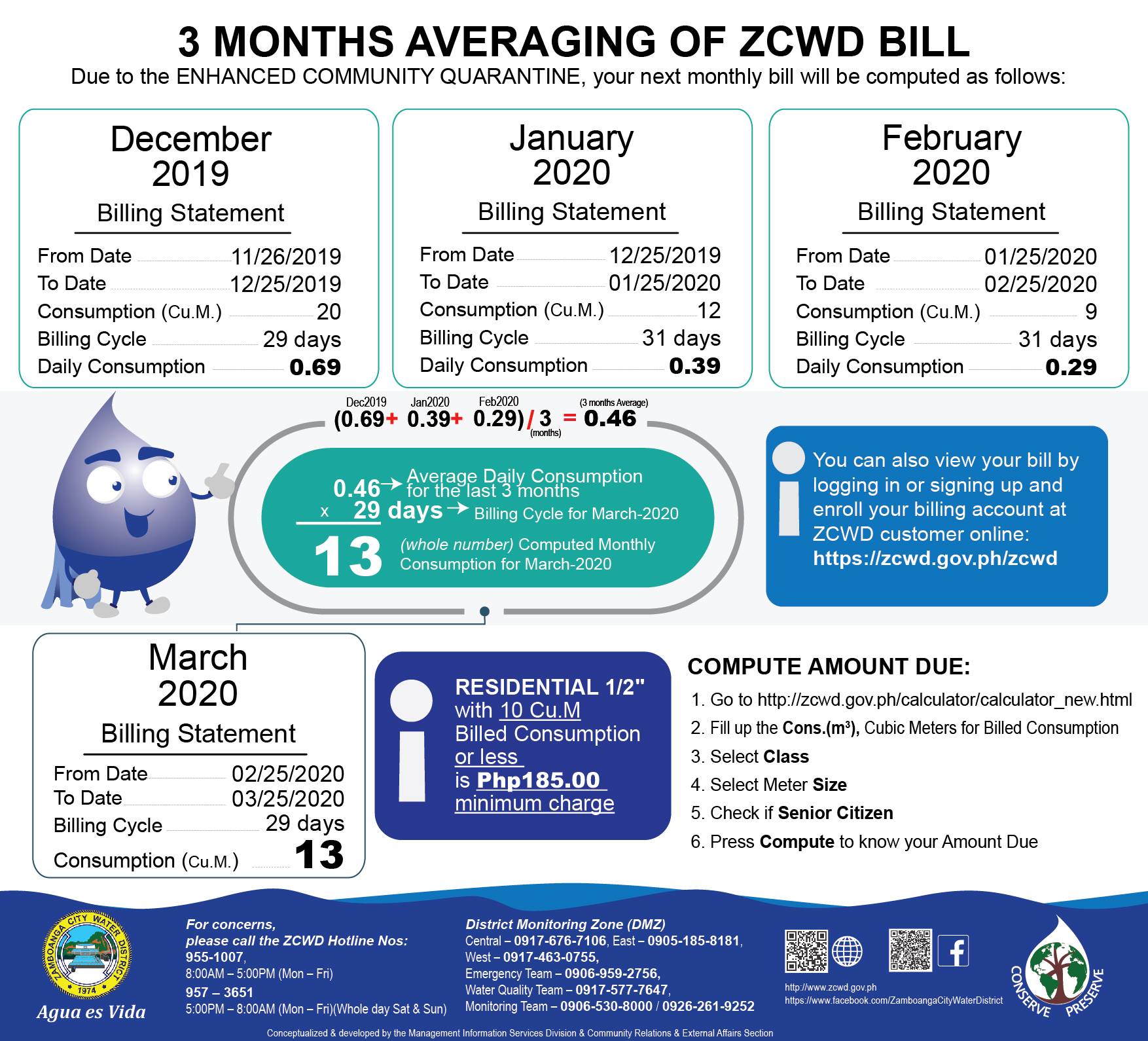
Understanding Your Water Meter
Find your water meter! It's usually located near the street or in your basement. Learning to read it can help you track your water usage in real-time.
Think of it as your personal water-usage dashboard. Pretty cool, right?
Spotting Leaks: The Silent Water Thief
Leaks are sneaky. They can silently drive up your water bill without you even knowing. Regularly check for leaky faucets, toilets, and pipes.
Even a small drip can waste gallons of water over time. Don't let those drops add up!
So, What's the Range? Let's Get Specific!
Alright, alright, enough with the suspense. What's the actual range for a normal water bill for two people?
Drumroll, please... Generally, you can expect to pay anywhere from $20 to $70 per month. But remember, that's a very broad range.
Some people will pay more, and some will pay less. It all comes down to those factors we talked about earlier.
Factors Affecting Your Bill: A Deeper Dive
Let's break down those factors even further. We'll become water bill experts in no time!
We will also cover the simple ways to save water.
Climate Considerations: Hot vs. Cold
Hot climates often require more outdoor watering. Lawns need more hydration in the scorching sun.
Cold climates can sometimes lead to higher bills due to frozen pipe risks. The need to drip faucets to prevent freezing can waste a surprising amount of water.
Gardening Habits: Green Thumbs vs. Brown Thumbs
If you're a gardening enthusiast, your water bill might be higher. Watering plants, especially during dry spells, can consume a significant amount of water.
Consider drought-resistant plants to reduce your watering needs. Succulents are your friends!
Watering Lawns: The Great Debate
Lawn watering is a major water hog. Overwatering is a common mistake. Many people water their lawns too frequently and for too long.
Follow local watering restrictions and consider using a sprinkler timer. Your lawn (and your wallet) will thank you.
Simple Ways to Save Water (and Money!)
Want to lower your water bill and become a water-saving hero? Here are some easy tips!
Small changes can make a big difference. Let's get started!
Shower Smarter, Not Longer
Shorten your showers! Even shaving a few minutes off your shower time can save gallons of water each month.

Sing a shorter song! Or try a shower timer. (They're not as scary as they sound!).
Fix Leaks ASAP
Repair leaky faucets and toilets immediately. A dripping faucet can waste hundreds of gallons of water per month.
A few drips might not seem like much, but they add up over time.
Upgrade to Water-Efficient Fixtures
Consider upgrading to water-efficient toilets, showerheads, and faucets. These fixtures use significantly less water without sacrificing performance.
Look for the WaterSense label. It's like the Energy Star for water!
Run Full Loads Only
Only run your washing machine and dishwasher when they're fully loaded. Running half-empty loads wastes water and energy.
Patience is a virtue, especially when it comes to laundry and dishes!
Collect Rainwater
Collect rainwater in rain barrels to water your garden or lawn. It's a free and sustainable way to reduce your water consumption.
Plus, it's great for the environment. Win-win!

Be Mindful of Your Water Usage
Simply being mindful of how you use water can make a big difference. Turn off the faucet while brushing your teeth or shaving. Don't let the water run unnecessarily.
Every little bit helps! Be a conscious water user.
Comparing Your Bill: How Do You Stack Up?
Want to see how your water bill compares to others in your area? Check with your local water utility. Some utilities provide average water usage data for different household sizes.
This can give you a better sense of whether your water consumption is in line with the norm.
Neighborly Comparisons: A Word of Caution
Comparing your water bill to your neighbors can be tempting, but proceed with caution. Everyone's water usage habits are different.
Don't get too caught up in comparing yourself to others. Focus on your own water conservation efforts.
The Bottom Line: It's All About Awareness
Ultimately, determining a "normal" water bill for two people is a bit of a moving target. But by understanding the factors that affect your bill and taking steps to conserve water, you can take control of your water consumption and save money.
The most important thing is to be aware of your water usage habits and make conscious choices to conserve water.
So, grab your water bill, put on your detective hat, and start exploring! You might be surprised by what you discover.