
How Much Is A Normal Power Bill
Alright, so picture this: It's the end of the month, you're scrolling, maybe finally getting around to those dishes. Then, BAM! An email notification. It's your power company, and that little subject line, "Your Latest Bill is Ready," just hits different, doesn't it? My heart always does a little flip-flop. Last winter, after a particularly brutal cold snap where my heater worked overtime and then some, I braced myself. The number that popped up made my jaw hit the floor. I swear, a tiny part of me considered moving into a cave. That got me thinking: how much is a normal power bill anyway?
It's one of those questions we all whisper to ourselves, maybe asking a friend in hushed tones, "So, uh, what was yours last month?" only to get a wildly different number back. It's like trying to figure out the average cost of a cup of coffee – depends if you're getting a plain black from a gas station or a double-shot, oat milk, extra foam, unicorn latte from a trendy cafe, right?
The Million-Dollar (or Hundred-Dollar) Question: What's "Normal"?
Let's be real, there's no one-size-fits-all answer here. Your power bill is a sneaky little beast influenced by a multitude of things. But let's break down the big hitters, shall we?
Must Read
1. Location, Location, Location (and Your Provider)
First off, where you live matters. A lot. Electricity rates vary wildly from state to state, even city to city. Some areas have cheaper power sources, while others rely on more expensive ones. Plus, different utility companies have different tariffs and rates. So, if your buddy in Arizona is gloating about his low bill, remember he might not be cranking the heating like you are in, say, Minnesota in January. No shade, just facts.

2. The Weather Report (and Your Thermostat)
Oh, this is a biggie. Is it scorching hot outside, making your AC unit hum a non-stop symphony? Or is it Arctic cold, forcing your heater into overdrive? Your thermostat settings are probably the single biggest determinant of your bill. Every degree you push that dial can make a significant difference. And those long, hot showers in winter? Yep, heating water uses energy too!
3. Your Humble Abode (and Its Insulation)
Are you in a cozy, modern apartment or a drafty, sprawling house built in the 70s? The size of your space directly impacts how much energy is needed to heat or cool it. And insulation? That's your unsung hero. Good insulation keeps the warmth in and the cold out (or vice versa), making your HVAC system work less hard. Bad insulation means your system is constantly fighting a losing battle.
4. How Many Humans (or Pets) Are There?
More people typically mean more lights on, more devices charging, more showers, more laundry cycles, and more opening and closing of the fridge door (guilty!). Even pets contribute – maybe they need an extra fan, or you're running air purifiers. It all adds up, you know?

5. Appliance Age and Usage Habits
That ancient fridge humming away in your kitchen? It could be an energy vampire. Older appliances are often far less efficient than newer, Energy Star-rated models. And your habits? Leaving lights on, long gaming sessions, forgetting to unplug chargers, running the dishwasher half-empty… these little things accumulate. Think of all the gadgets you have plugged in right now. Are they all in active use, or just silently sucking power?
So, What's the Average? (And Why It's Still Fuzzy)
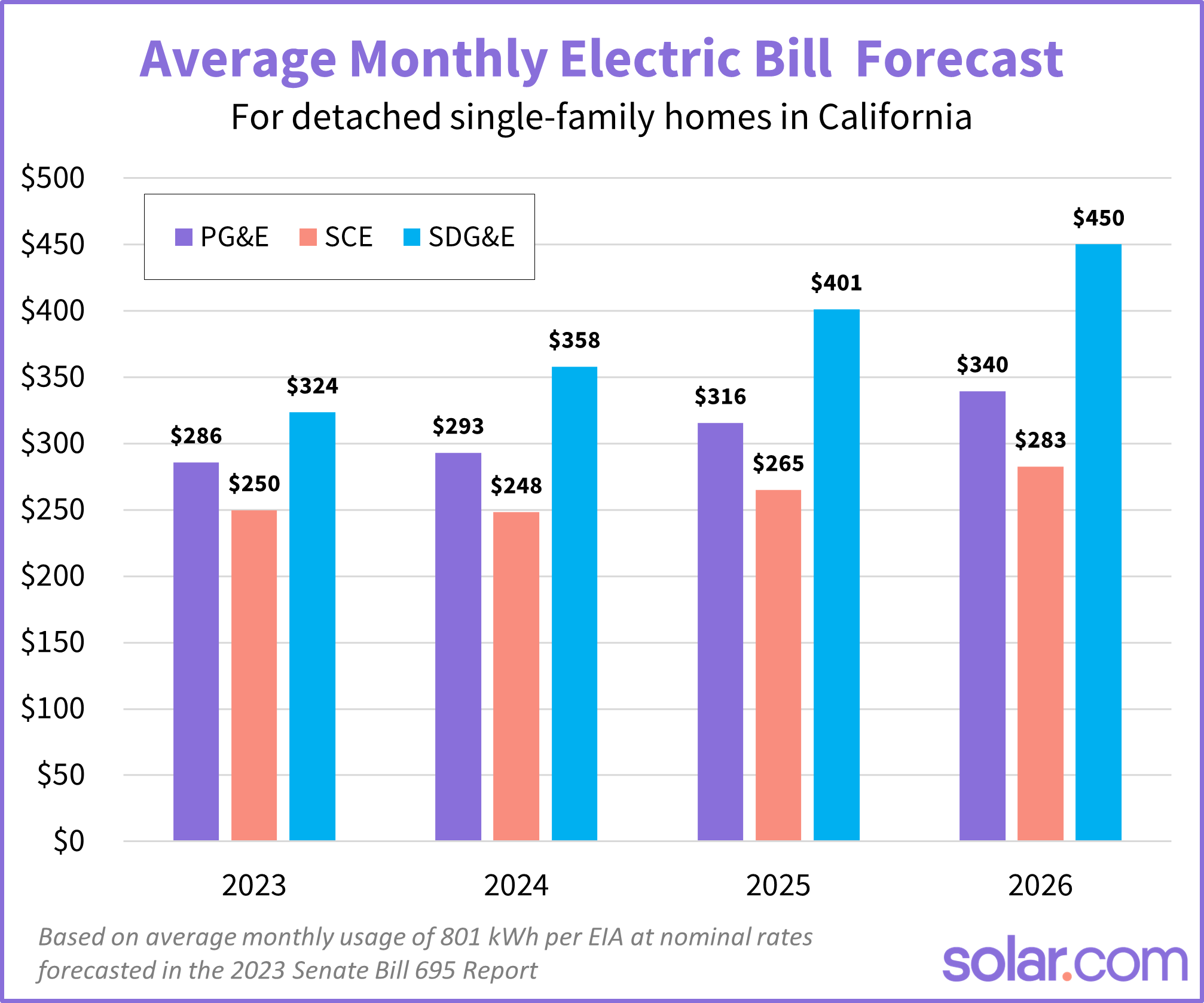
Okay, I get it, you want a number! While it's tough to give a definitive "normal," most sources in the US point to an average residential electricity bill somewhere in the range of $100 to $150 per month. But please, please take that with a grain of salt! This figure is wildly variable based on all the factors we just talked about. Someone living alone in a small apartment in a mild climate could easily pay $50-$70. A family of four in a large house in a climate with extreme summers and winters? They could be looking at $200-$400, or even more during peak months. It's why comparing your bill to your cousin's in a different state is often an exercise in frustration.

Demystifying Your Own Bill
The best way to know what's normal for you is to track your own usage over time. Most power companies have online portals where you can see daily or even hourly consumption. Pay attention to those spikes! Was it that weekend you hosted a party and had every light on and the oven constantly running? Or perhaps you forgot to turn off the space heater after getting toasty?
Here are a few quick tips to get a handle on things, because who doesn't love saving a buck?
- Audit your usage: Walk around your home and note what's plugged in.
- Unplug "vampires": Chargers, TVs, coffee makers – if they have a little light on, they're sucking power even when off.
- LEDs are your friend: Swap out old incandescent bulbs.
- Smart thermostat: Invest in one! They pay for themselves.
- Mind your windows: Keep curtains closed on hot sunny days; open them on cold sunny days for passive heating.
Ultimately, a "normal" power bill is less about a universal number and more about understanding your own consumption habits and the unique circumstances of your home. So, next time that bill notification pops up, instead of just dreading it, maybe take a curious peek. You might just learn something illuminating about your energy footprint!