
How Much Is A Home Solar System
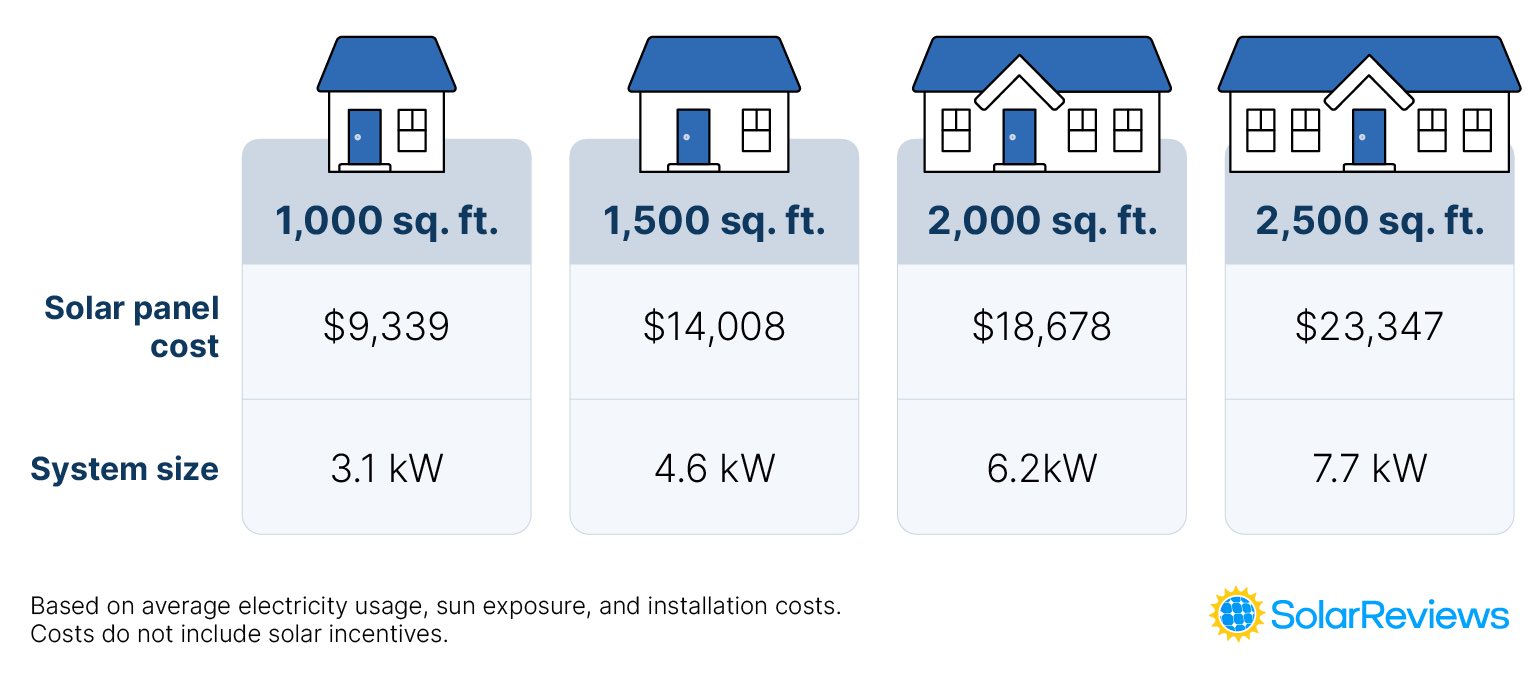
Alright, pull up a chair, grab a flat white, and let's chat about something that sounds utterly futuristic but is becoming as common as your neighbor's questionable lawn ornaments: home solar systems. You've seen them, usually glistening on roofs, whispering promises of clean energy and an electricity bill that makes you want to do a little happy dance. But then the big question looms, like a storm cloud over your sunny dreams: How much does that actually cost?
For years, I imagined it was roughly the price of a small, very confused space shuttle. Or perhaps a slightly used private jet, minus the fuel. Turns out, it's not quite that astronomical, but it's also not exactly pocket change. Let's break down the bewildering world of solar costs, because honestly, it's more fun than trying to decipher your utility bill.
The Big Factors: What Makes the Sun Shine on Your Wallet (or Not)
Think of buying a solar system like ordering a bespoke suit, but for your house. There are a few key measurements that dictate the final price tag.
Must Read
1. Size Matters (And We're Talking Kilowatts, Baby!)
This is the biggest determinant. Are you powering a modest bungalow where the biggest energy draw is your cat's heated bed, or are you running a personal Fort Knox with server farms and a professional-grade espresso machine? Solar systems are measured in kilowatts (kW). A typical home might need a 6 kW to 10 kW system. More energy use? More panels. More panels? You guessed it: more moolah. It's like buying a car; a compact sedan is cheaper than an SUV, right?
2. Panel Quality: From "Gets the Job Done" to "Whispers Sweet Nothings to the Sun"
Not all solar panels are created equal. You have your entry-level, reliable workhorses, and then you have the sleek, hyper-efficient, "I'll practically pay you to install me" premium models. Higher efficiency means fewer panels for the same energy output, which can sometimes offset the higher per-panel cost. Plus, warranties vary wildly. Do you want panels that merely collect sunlight, or panels that practically seduce the sun's rays?

3. Installation Shenanigans: Roofs, Wires, and Bureaucracy
This is where things get interesting. Is your roof a flat, easy-access runway, or a jagged, multi-gabled, booby-trapped mountain range that requires a team of mountaineers? Labor costs vary based on roof type, pitch, and general accessibility. Then there's the electrical work to integrate it with your home's grid. And let's not forget the fun part: permits and inspections. The paperwork alone could power a small village... with frustration!
4. Batteries: Your Blackout Bling
Ah, the battery! The holy grail for many solar dreamers. This allows you to store excess energy and use it when the sun isn't shining (or during a power outage, hello bragging rights!). Companies like Tesla's Powerwall are famous, but there are many others. Batteries are a significant additional cost, often adding another $10,000 to $20,000+ to your system. But imagine laughing maniacally while your neighbors fumble for flashlights. Priceless.
5. Location, Location, Location: State-Specific Solar Sweets
This is a big one. Some states are like a solar gold rush, offering incredible incentives, while others are... less enthusiastic. Your geographic location impacts sunshine hours (obviously), but more importantly, it affects the incentives and rebates available from your state and local governments. This can dramatically swing the final price.

So, How Much ARE We Talking About, Really?
Okay, enough teasing. Let's talk numbers. Before we get into the "but wait, there's more!" part, a typical residential solar system (let's say 6 kW to 10 kW, without batteries) usually ranges from about $18,000 to $35,000. Yes, that's a chunk of change. It's not a small confused space shuttle, but it's definitely a very nice family car.
But here's the kicker, the plot twist, the reason you haven't choked on your latte yet:
The Magic of Incentives (Your Wallet's Best Friends)
This is where things get exciting! You rarely pay that full sticker price. The U.S. federal government offers a fantastic incentive: the Investment Tax Credit (ITC). As of early 2024, this credit gives you back 30% of the total cost of your solar system through a tax credit. This isn't a deduction; it's a dollar-for-dollar reduction in your income tax liability. A massive discount coupon from Uncle Sam!

So, that $30,000 system? A 30% federal tax credit shaves off $9,000, bringing your effective cost down to $21,000. That's a significant difference, isn't it?
Then, depending on your state, you might find additional incentives, rebates, or even performance-based payments for the electricity your system generates (called net metering or SRECs). These can further reduce your out-of-pocket expenses, sometimes by thousands more.
The Long-Term Smile: ROI and Savings
So, after all the discounts and credits, you might be looking at a net cost ranging from $12,000 to $25,000 or more for a standard system. Still an investment, yes. But here's why people do it:
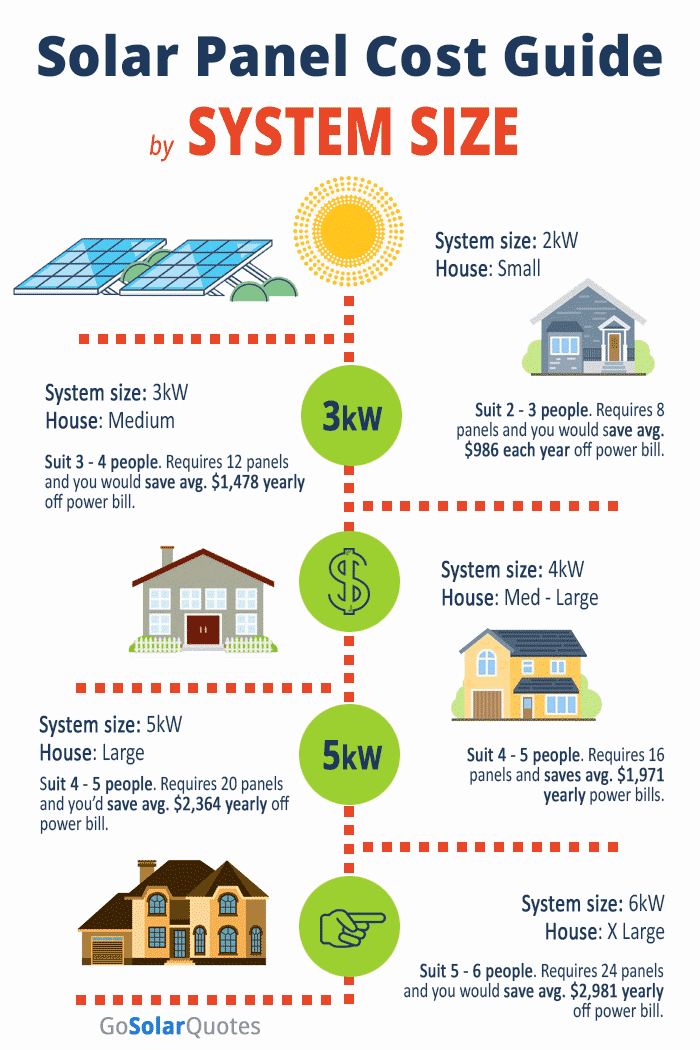
- Eliminate (or drastically reduce) electricity bills: Imagine seeing a $0 or $10 electricity bill. Pure bliss!
- Increased Home Value: Homes with solar panels often sell for more and faster.
- Energy Independence: You're less beholden to the whims of the utility company and rising energy prices.
- Environmental Feel-Good Factor: You're doing your part for Mother Earth. High five!
The payback period (how long it takes for your savings to cover the initial cost) typically ranges from 6 to 12 years, depending on your location, system size, and electricity rates. After that? It's practically free electricity for the remaining 15-20+ years of your panels' lifespan.
The Takeaway: It's Not a Rocket Ship, But It's an Investment
So, how much is a home solar system? It's not cheap, but it's nowhere near private jet territory, and incentives make it significantly more affordable. It's a serious investment in your home, your wallet, and the planet. It's about buying peace of mind, watching your meter spin backward (yes, really!), and sticking it to the Man (the utility company, that is).
My advice? Get a few quotes from reputable local installers. Ask about system size, panel types, warranties, and most importantly, how those juicy federal and state incentives apply to your specific situation. Then, pour yourself another coffee and dream of those tiny, tiny electricity bills. The future is sunny, my friend!