How Much Is A Charging Station
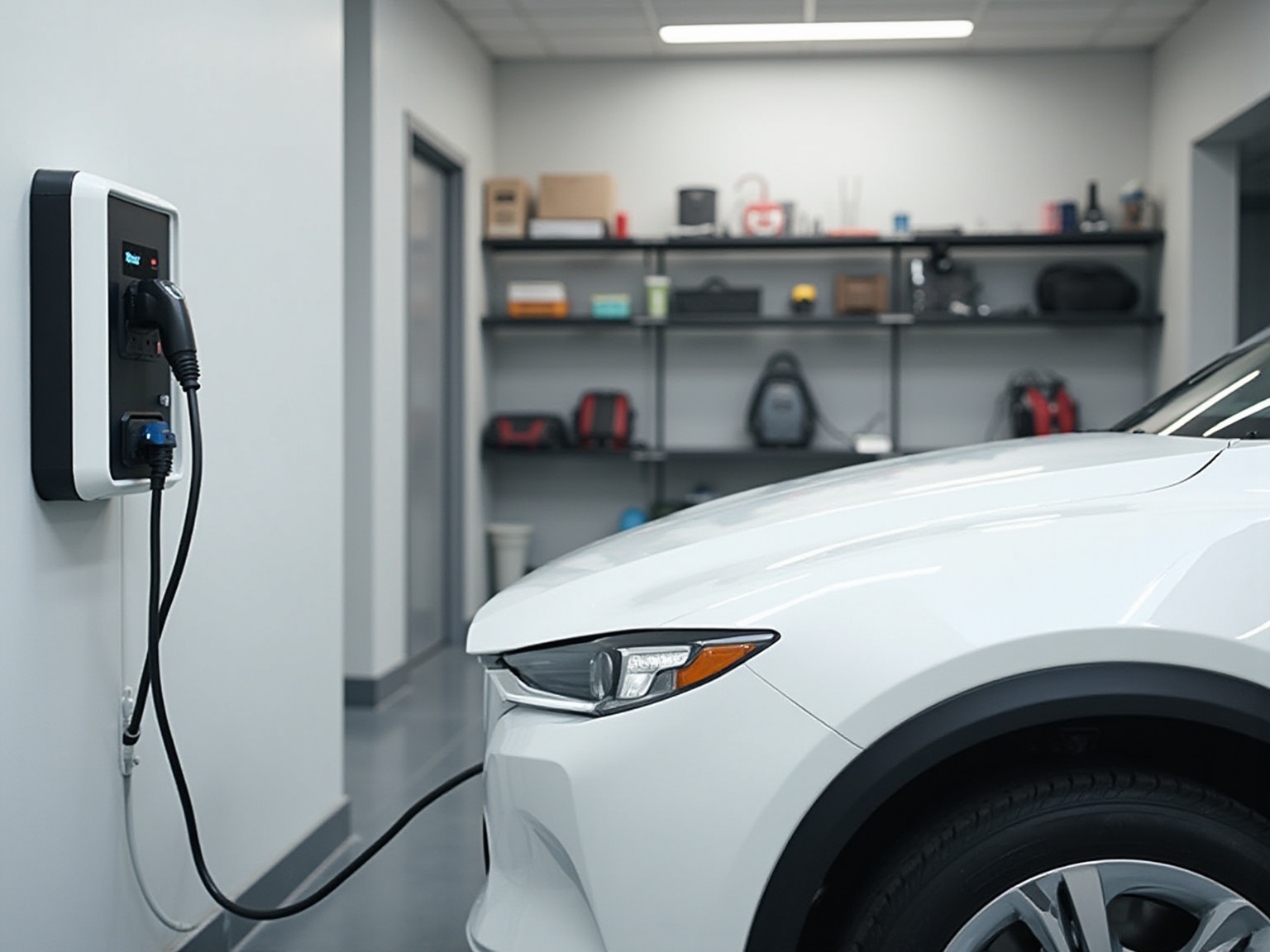
There's a special kind of freedom that comes with knowing your ride is always ready to roll. For many, this used to mean a quick stop at the gas station. But in the thrilling new world of electric vehicles (EVs), it means something far more convenient and, dare we say, delightful: waking up to a fully "fueled" car, right in your own garage. Imagine never having to budget time for a fuel stop again, never touching a grimy pump, and instead, simply plugging in your car like you do your smartphone overnight. It's a game-changer, offering a quiet, smooth, and often exhilarating driving experience, all while being kinder to the planet.
The core benefit of an EV charging station, especially at home, is sheer convenience. It transforms your daily routine. Instead of detouring for gas, you simply plug in when you arrive home, and by morning, your vehicle is topped up and ready for whatever the day brings. This isn't just about saving time; it's about reclaiming it. Plus, charging at home, especially during off-peak hours, can be significantly cheaper than buying gasoline, potentially saving you a substantial amount over the vehicle's lifespan. It empowers you to manage your energy consumption and contribute to a cleaner environment, one silent mile at a time.
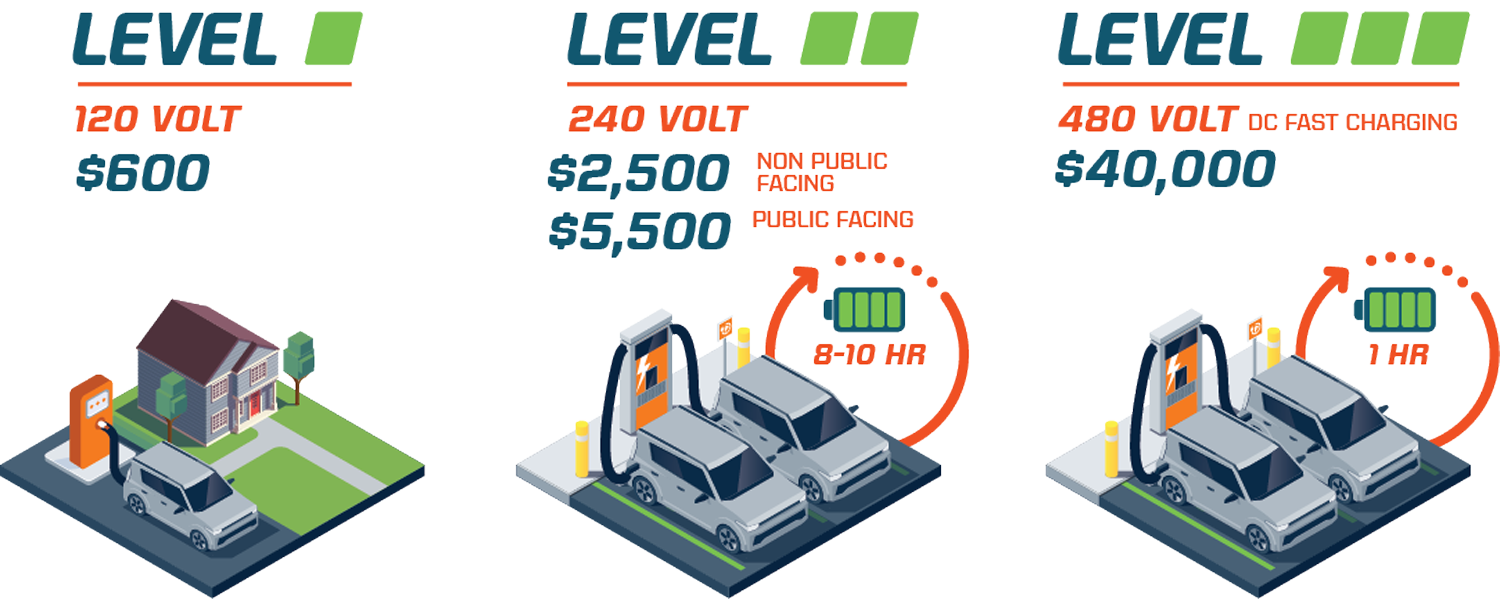
So, you're intrigued by this blissful world of effortless charging, but now the big question looms: "How much does one of these magical charging stations actually cost?" Well, like most things worth having, the answer isn't a single tidy number. It depends on what kind of "station" you're talking about, and your specific needs. The most common applications are home charging setups: Level 1 and Level 2 chargers. Level 1 simply uses a standard 120V household outlet, providing a slow trickle charge, often sufficient for plug-in hybrids or low-mileage EV drivers. The charging cord usually comes with your car, so the "cost" of the station itself is effectively zero. Easy peasy!
Must Read
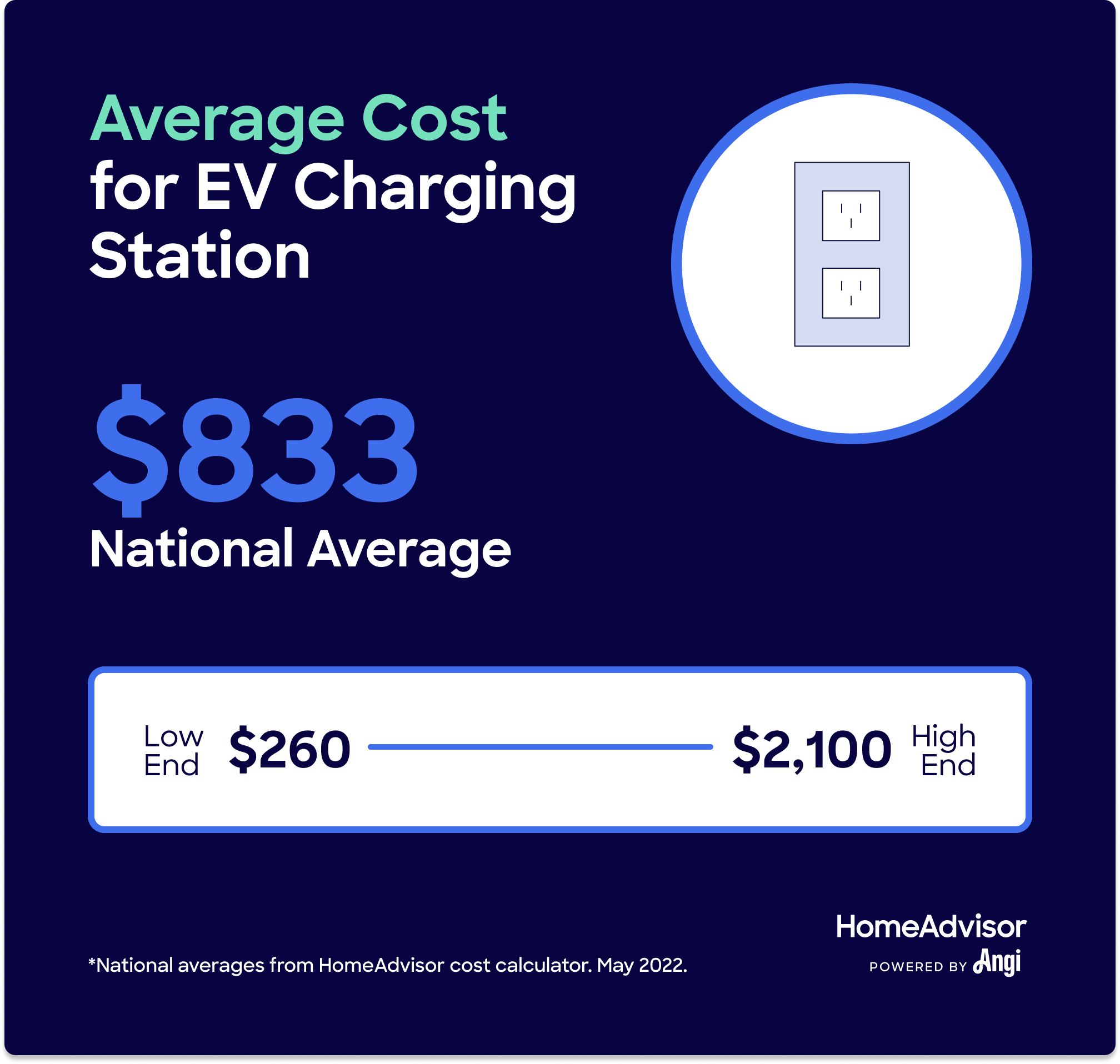
However, for most EV owners, a Level 2 home charging station is the sweet spot. These deliver 240V power, significantly speeding up charging times – think hours instead of a full day for a substantial charge. The hardware for a Level 2 charger can range anywhere from $300 to over $1,000, depending on the brand, features (like Wi-Fi connectivity and smart charging schedules), and power output. But here’s the often-overlooked variable: the installation cost. This is where your wallet might feel the biggest pinch. You'll need a qualified electrician to install a dedicated 240V circuit, which could involve upgrading your electrical panel, running new wiring, and securing permits. This part alone can easily run from $500 to $2,000 or even more, especially if your home's electrical system needs significant work. It’s a crucial investment for safety and efficiency.
To enjoy your charging station more effectively and keep costs down, start by assessing your driving habits. Do you really need a super-fast Level 2, or would Level 1 suffice for your daily commute? Next, thoroughly research government incentives and utility rebates. Many regions offer significant tax credits or cash-back programs for EV charger purchases and installation, which can dramatically offset the upfront cost. Compare different charger models for features that matter to you, like app control for scheduling charges during off-peak electricity rates – a smart move for maximizing savings. Finally, always get multiple quotes from licensed electricians for the installation. Investing in a home charging station is an investment in convenience, savings, and a greener future, making the upfront cost a worthwhile consideration for any modern driver.