How Much Is 6000 Hours In Days
Time, isn't it a funny thing? We live by it, plan around it, and often wish for more or wonder where it all went. From counting down minutes until lunch to eagerly anticipating a big event, our lives are intrinsically linked to the tick-tock of the clock. There’s a particular satisfaction in understanding those durations, in taking a seemingly abstract number of hours and translating it into something tangible we can grasp and manage. It’s like having a secret decoder ring for your schedule, helping you visualize just how much life fits into those moments.
The benefits of really grasping time conversions extend far beyond simple arithmetic. It brings a powerful sense of clarity and control to our everyday existence. Planning a project? Knowing how many days a certain number of hours represents helps you set realistic deadlines and avoid last-minute panics. Dreaming of adventure? Converting flight hours makes it feel more immediate. It helps us break down daunting tasks into manageable chunks and appreciate the significant commitment that hourly efforts add up to over time.
Think about it! Common examples pop up everywhere. A job requiring 6000 hours of experience, a charity asking for 6000 volunteer hours. Perhaps a new gaming console released in "X thousand hours," or your favorite streaming service dropped a show with 6000 minutes of content! For fitness enthusiasts, imagining what 6000 hours of consistent exercise could achieve is incredibly motivating. It transforms abstract numbers into real chunks of your life to spend, save, or invest wisely.
Must Read
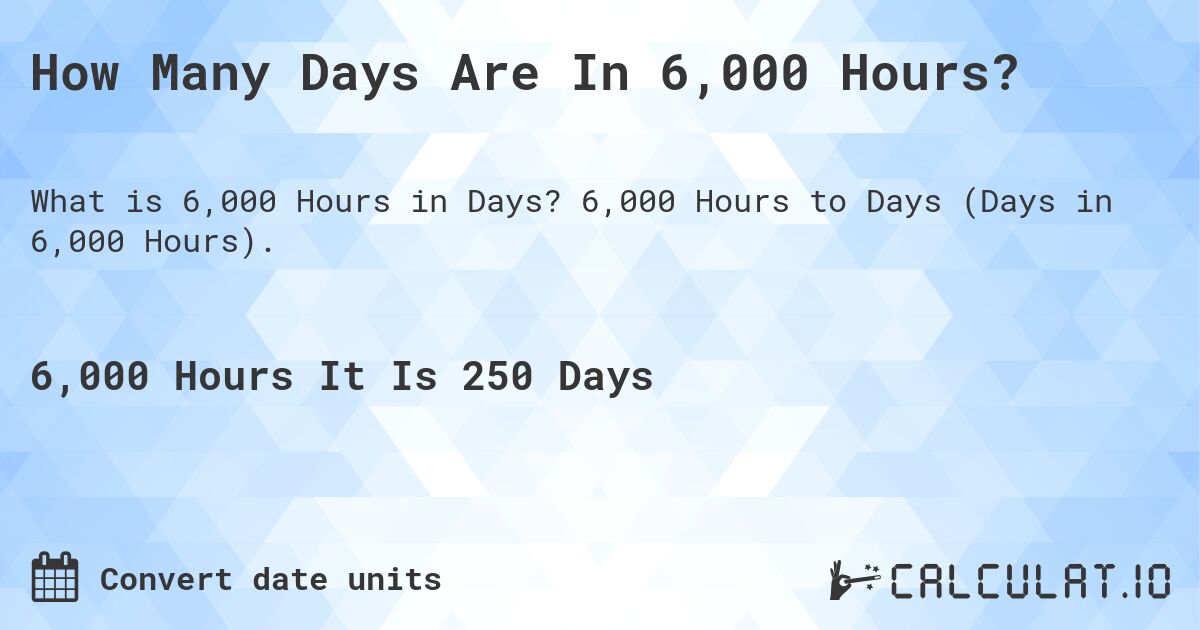
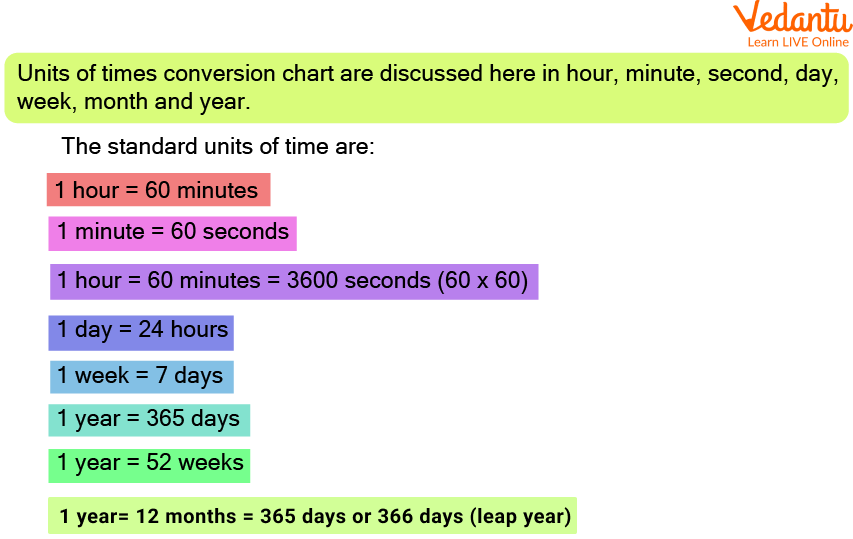
So, let's get down to brass tacks: How much is 6000 hours in days? The conversion is delightfully simple. We know that one day contains 24 hours. Therefore, to convert hours into days, we simply divide the total hours by 24.
6000 hours ÷ 24 hours/day = 250 days.
That’s right! 6000 hours amounts to exactly 250 days. To put that into relatable terms, 250 days is roughly 8 months and one week – nearly two-thirds of a year! It's a substantial chunk of time that can encompass a grand journey, the launch of a significant new venture, or the dedication required to master a complex new skill.
To truly enjoy and leverage this understanding of time more effectively, here are some practical tips:
- Visualize: Instead of "250 days," think "almost three seasons" or "the time it takes for a baby to learn to crawl." Make it concrete.
- Break it Down: For long periods, set smaller milestones. If you have 250 days for a project, what needs to happen in the first 30 days?
- Use Tools: Employ calendars, countdown apps, or a simple whiteboard to track progress. Seeing days tick by is motivating.
- Prioritize and Protect: Understand which hours are most productive or important for your goals and guard them fiercely.
- Reflect and Adjust: Use these longer timeframes to reflect on progress. How are you doing? What adjustments need to be made?
Ultimately, knowing that 6000 hours is 250 days isn't just a fun fact; it's a powerful tool. It empowers you to view time not as an endless, flowing river, but as a series of navigable lakes and streams, each with its own opportunities. So go forth, convert those hours, and make every day count!