How Much Is 1 Ccf Of Natural Gas
Ever found yourself staring at your natural gas bill, a furrow in your brow, wondering what in the world a "Ccf" is? You're not alone! It sounds like a secret code, or perhaps a new superhero team. But fear not, future energy guru, because unlocking the mystery of 1 Ccf of natural gas isn't just fascinating, it's incredibly useful for your wallet and your peace of mind!
Think of it as embarking on a mini-adventure right from your living room. Understanding Ccf empowers you to become the master of your energy domain, rather than just a passive bill-payer. It’s about gaining insight into how your home truly uses energy, which can lead to smarter choices, greater savings, and even a little bit of eco-heroism. Ready to decode your utility bill and become an energy-savvy legend? Let's dive in!
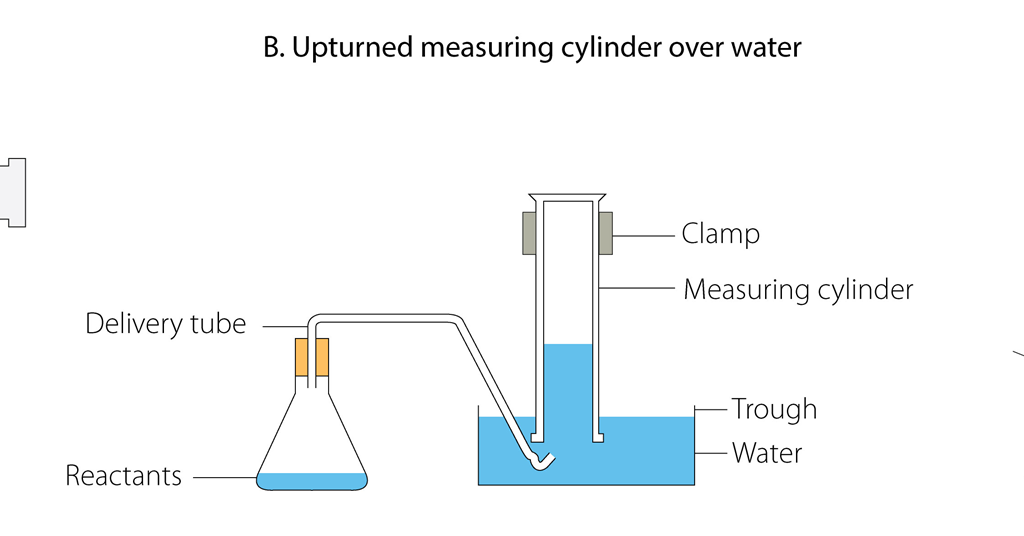
So, what exactly is a Ccf? Prepare for the big reveal: Ccf stands for one hundred cubic feet. That's it! Instead of measuring gas by weight or liquid volume, utility companies measure it by how much space it takes up. Imagine a cube that's about 4.64 feet tall, wide, and deep – that's roughly one hundred cubic feet of space. When natural gas flows through your meter, it's counted in these volumetric chunks. Since natural gas expands and contracts with temperature and pressure, measuring by volume at standard conditions provides a consistent unit for billing.
Must Read
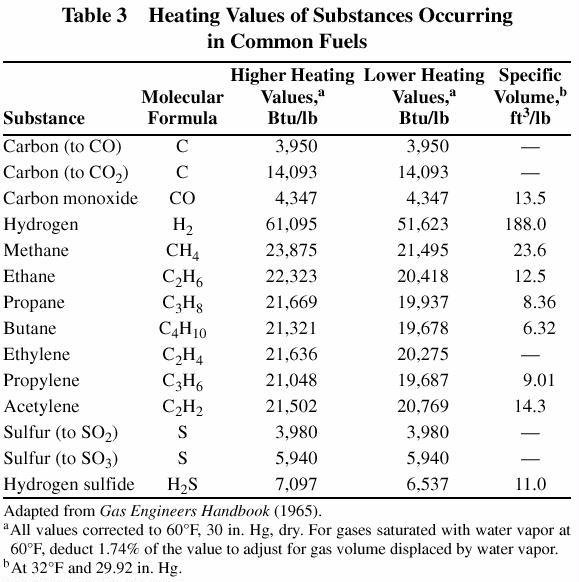
But here’s where it gets really interesting: while Ccf tells you the volume of gas used, your bill often charges you based on the energy content. This is where the term therm comes into play. Most utility companies convert your Ccf usage into therms because gas from different sources can have slightly different energy densities. A therm is a unit of heat energy equivalent to 100,000 British Thermal Units (BTUs). And here's the golden nugget: 1 Ccf of natural gas is roughly equivalent to 1 therm. It's not always an exact 1:1 ratio because the energy content per cubic foot can vary slightly, but it’s a fantastic ballpark figure to keep in mind!
Why is knowing this so beneficial? For starters, it helps you demystify your monthly gas bill. Instead of seeing a number and shrugging, you can now understand what that number actually represents in terms of heat energy delivered to your home. This knowledge is your superpower for saving money. By tracking your Ccf (or therm) usage, you can pinpoint periods of high consumption, identify energy-guzzling habits or appliances, and make informed decisions about thermostat settings, insulation, or appliance upgrades. You can even compare your usage month-to-month or year-to-year and celebrate your energy-saving victories! Moreover, understanding these units makes you a more conscious consumer, aware of your personal energy footprint and contributing to a more sustainable planet. So go ahead, check your next gas bill with newfound confidence – you’ve got this!