
How Much Gas Does A Fireplace Pilot Light Use
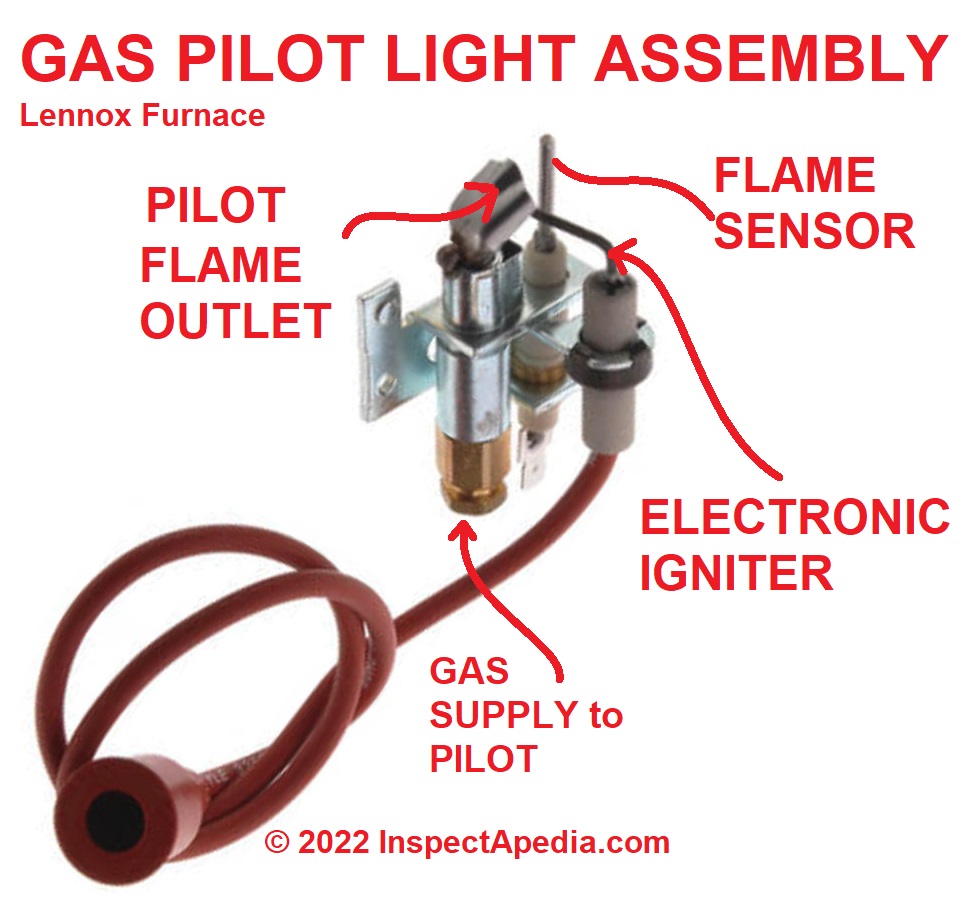
Ever stared into the flickering blue flame of a fireplace pilot light? It's kind of mesmerizing, right? That tiny flame is always there, ready to ignite the cozy warmth we crave on chilly evenings.
But have you ever wondered about that little flame's secret life? What does it really get up to when we're not watching? And more importantly, how much gas does that ever-burning pilot light actually use?
The Tiny Flame with a Big Job
That seemingly insignificant pilot light has a crucial role. It’s the unsung hero, the constant guardian, the… well, you get the idea! It’s important. It’s what ignites the main burners when you want a roaring fire.
Must Read
Think of it like a tiny security guard, always on duty. It's a small flame, but it's responsible for ensuring your fireplace is ready for action at a moment's notice. Without it, you'd be fumbling with matches or lighters, which, let’s be honest, isn't nearly as romantic.
So, back to the burning question (pun intended!). Just how much gas does this little flame guzzle?
Unveiling the Gas Consumption Secret
Okay, let's get down to the nitty-gritty. The amount of gas a pilot light uses isn't a huge number. But it’s also not zero. Over time, that little trickle of gas can add up.
Here's a ballpark figure: A typical pilot light uses roughly one to three therms of gas per month. A therm is a unit of heat energy, and gas companies use it to measure your usage.
Now, what does that actually mean? Well, let's break it down a bit further.
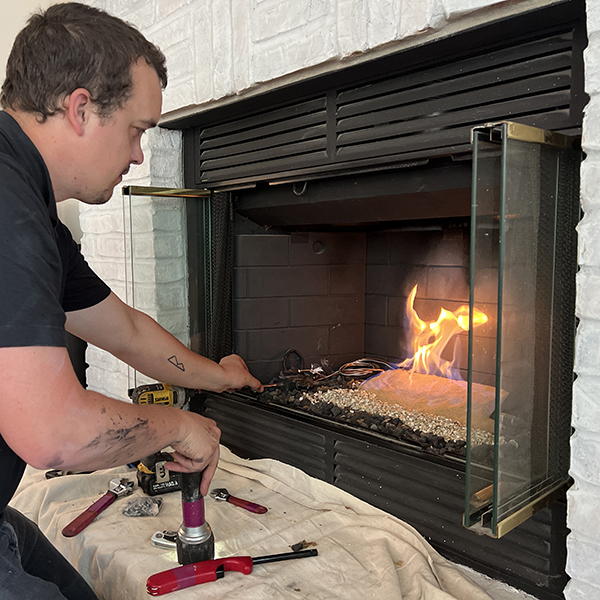
Calculating the Cost: Pennies a Day?
The actual cost depends on the price of natural gas in your area. Prices fluctuate, like the stock market, but generally, you can expect to pay a few dollars per therm. Check your gas bill to see the exact rate you're paying.
So, if you're using, say, two therms a month, and your gas costs $1.50 per therm, you're looking at about $3 a month. That’s like… half a fancy coffee. Or maybe a slightly-less-fancy coffee every other week!
Breaking it down further, that's roughly 10 cents a day. Not a fortune, right? It's like paying a tiny toll for the convenience of instant fireplace warmth.
Factors That Can Affect Gas Consumption
Of course, there are a few factors that can influence how much gas your pilot light consumes. It's not a one-size-fits-all situation.
The size of the pilot light itself is one key factor. Some fireplaces have larger pilot lights than others. A larger flame will naturally burn more gas.
The age and condition of your fireplace can also play a role. An older or poorly maintained fireplace might have leaks or other issues that cause the pilot light to burn inefficiently. Think of it like an old car that needs a tune-up.
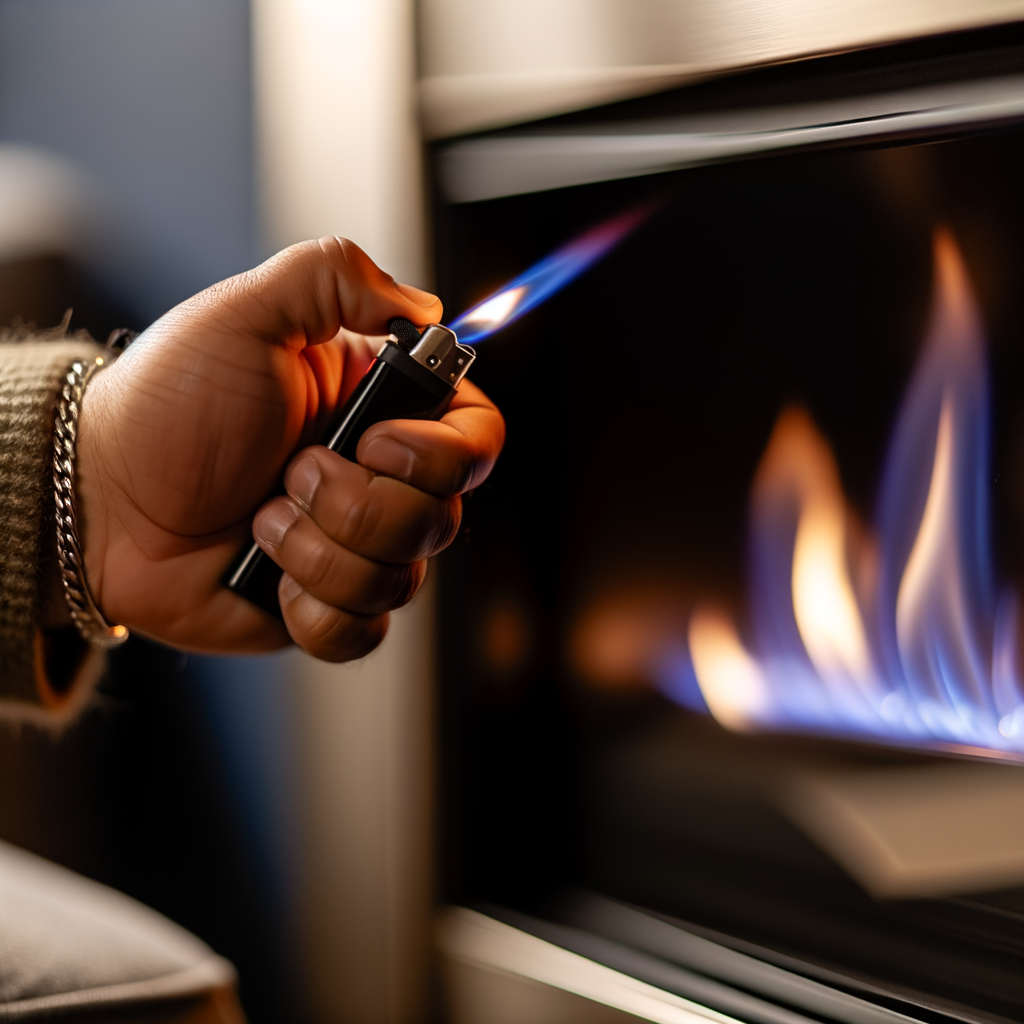
Finally, your local gas pressure can have a minor impact. If the gas pressure is higher than normal, your pilot light might burn a bit brighter and consume slightly more gas.
Pilot Light Off? Weighing the Pros and Cons
Now you might be thinking, "Wait a minute! If it's costing me a few bucks a month, should I just turn off the pilot light when I'm not using the fireplace?" It's a valid question!
There are definitely some arguments for turning off the pilot light during the warmer months. You'll save a little bit of money on your gas bill. And, you'll be reducing your overall energy consumption, which is good for the environment.
However, there are also some potential downsides. One is that it can be a hassle to relight the pilot light each time you want to use the fireplace. Especially if you’re not familiar with the process.
Another thing to consider is that turning off the pilot light can sometimes lead to moisture buildup in the gas line. This can cause corrosion and other problems down the road. Imagine the gunk and grime that collects when something isn’t used often!

Also, some experts believe that the small amount of heat generated by the pilot light can help to prevent condensation from forming in the chimney. This can help to extend the life of your chimney.
Making the Smart Choice for Your Fireplace
Ultimately, the decision of whether or not to turn off your pilot light is a personal one. There's no right or wrong answer.
Consider your individual circumstances. How often do you use your fireplace? How much are you paying for gas? Are you comfortable relighting the pilot light yourself?
If you're concerned about saving money or reducing your environmental impact, turning off the pilot light during the off-season might be a good option. Just be sure to weigh the potential benefits against the potential drawbacks. Maybe consult a professional!
The Enduring Allure of the Fireplace
Whether you decide to keep your pilot light burning year-round or turn it off during the summer, there's no denying the allure of a fireplace. It's a source of warmth, comfort, and relaxation.
The dancing flames, the crackling sounds, the cozy atmosphere… it's all part of what makes a fireplace so special. And that little pilot light is the key to unlocking all of that magic.
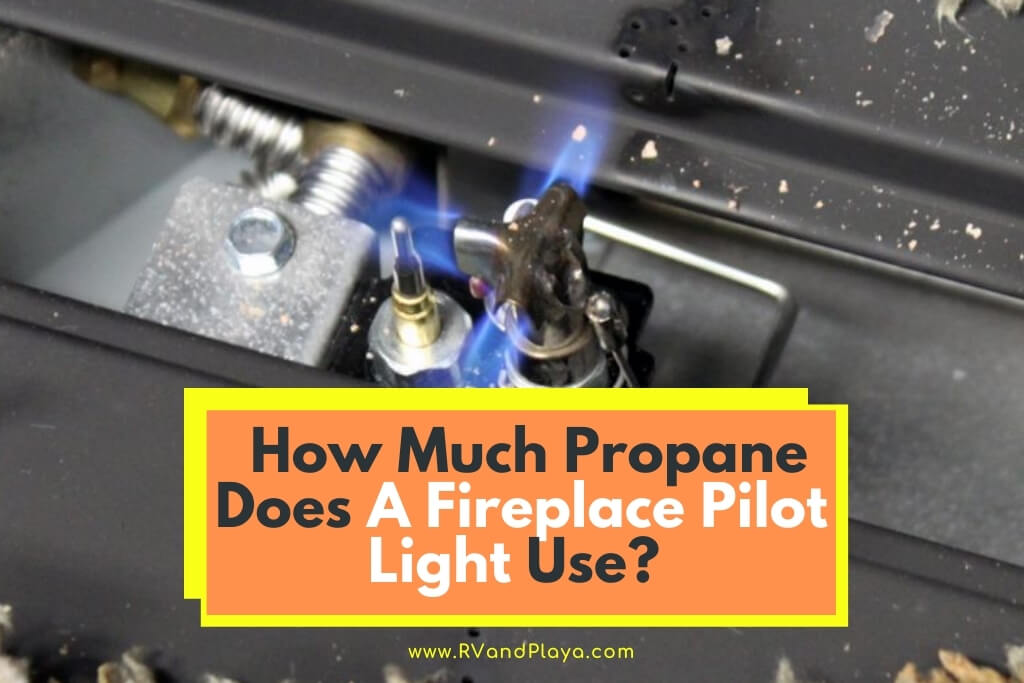
So next time you're sitting by the fire, take a moment to appreciate that tiny flame. It's working hard to keep you warm and cozy, one little puff of gas at a time. And now you know the secret life of that tiny flame, and how it helps keep the home fires burning, literally!
A Few Extra Tips!
If you're concerned about the gas consumption of your pilot light, there are a few things you can do. First, make sure your fireplace is properly maintained. A clean and well-maintained fireplace will burn more efficiently.
Second, consider upgrading to a newer, more energy-efficient fireplace. Newer models often have features that help to reduce gas consumption. Think of it like upgrading from an old clunker to a sleek, fuel-efficient car!
Finally, you can also install a pilot light shut-off valve. This allows you to easily turn off the pilot light when you're not using the fireplace, without having to worry about relighting it yourself. Consider this if you want to easily control it.
So, there you have it! Everything you ever wanted to know (and probably more!) about fireplace pilot lights and their gas consumption. Now go forth and enjoy the warmth and ambiance of your fireplace, guilt-free (or at least, slightly less guilty!).
Remember, that little blue flame is your friend. Embrace it. Cherish it. And maybe, just maybe, give it a name.