
How Much For A Home Generator

The Great Power Outage Panic
Picture this: a wild storm hits. Suddenly, your lights flicker, then poof – darkness. Your phone screen is the only beacon.
The fridge goes silent. No Wi-Fi, no TV, no blissful air conditioning. It's a modern-day wilderness adventure, right in your living room.
That's when the thought creeps in. "Maybe," you whisper to the void, "I should get a home generator."
Must Read
The Siren Song of Uninterrupted Living
Oh, the dream! Imagine the storm raging outside, but inside your home, it’s business as usual. Coffee machine humming, Netflix streaming.
Your sourdough starter doesn't even know there's an apocalypse happening. Your phone chargers are busy, happy little helpers.
That vision of smooth, uninterrupted comfort is powerful. It makes you feel like a savvy, prepared homeowner.
So, How Much For This Slice of Serenity?
You picture a sturdy box, maybe a few wires. Surely, it can't be that much. A couple hundred bucks, tops?
Like a fancy new BBQ grill, perhaps? Or a really, really good espresso machine? You start to budget it out in your head.
This is where my "unpopular opinion" begins to sparkle. Because, dear reader, it's often a bit more than that.
The Different Flavors of Power
First, you learn there are types. Not all generators are created equal, much like pizza isn't just one thing.
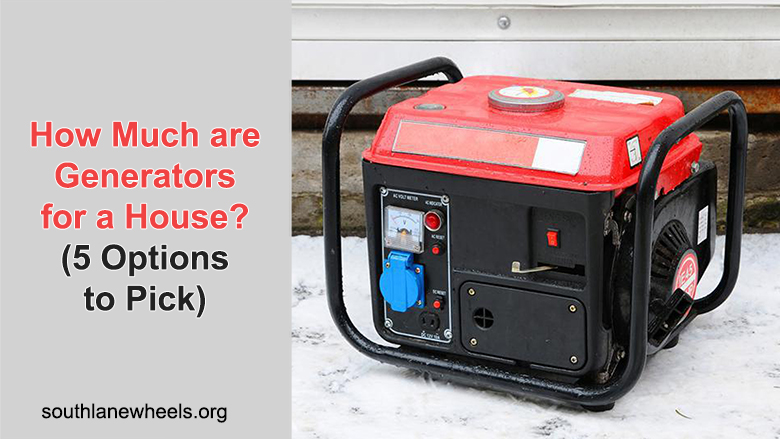
You've got the portable generators. These are the "plug it in yourself" kind. They hum loudly and require some elbow grease.
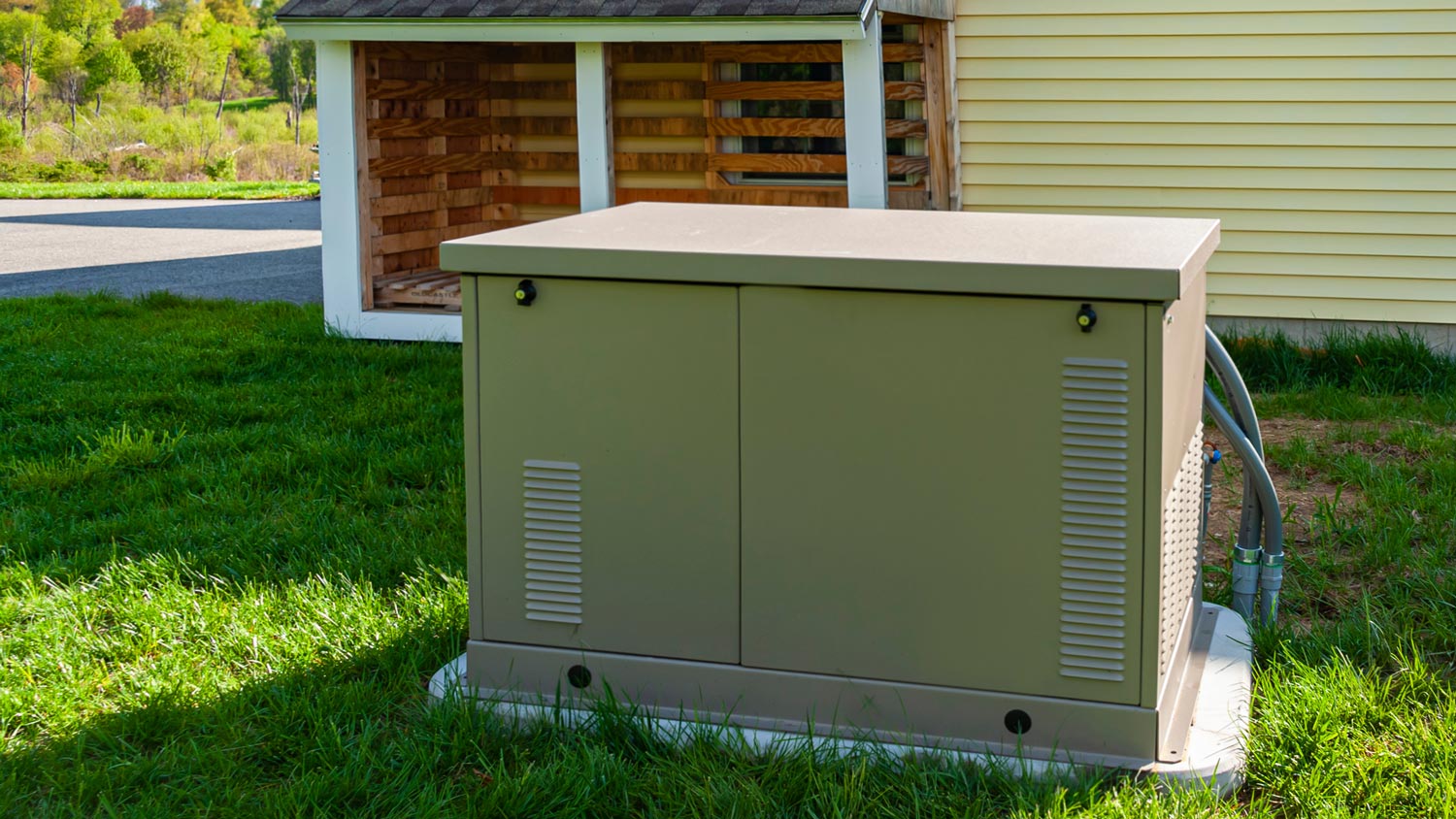
Then there are the big kahunas: standby generators. These are the automatic heroes. They kick in without you even lifting a finger.
Portable Power: The DIY Dynamo
A portable generator sounds great. You can pick it up at the hardware store. It’s relatively simple to operate, in theory.
You fill it with fuel, pull a cord (or push a button), and extension cords spiderweb through your house. It brings power to the essentials.
For one of these trusty sidekicks, you're looking at anywhere from $500 to $2,500. That's not small change for an occasional guest.
It's like buying a specialized appliance you only use twice a year. Is that worth it for a brief moment of electrical independence?
Remember the gas for it, too! Filling up gas cans in the dark is its own special kind of adventure.
Standby Power: The Ultimate Luxury
Now, let's talk about the Cadillac of generators. The standby model. This one is permanently installed outside your home.

When the power blinks out, it senses the issue. Like a loyal butler, it automatically switches on and powers your whole house.
No fuss, no muss, just seamless power. Your fridge sighs happily, your AC keeps humming. It’s truly magnificent.
But brace yourself. For this level of pure, unadulterated convenience, the price tag takes a hefty leap.
We're talking anywhere from $3,000 to $10,000 just for the unit itself. Yes, you read that right. A small car, for electricity.
Beyond the Price Tag: The Hidden Headaches (and Costs!)
Hold on, there's more! That sticker price? That's just for the machine. It's like buying a new oven without considering the installation.
For a standby unit, you need professional installation. This involves electricians, gas fitters, and often a concrete pad for it to sit on.
Add another $3,000 to $7,000 for all that labor and specialized work. Suddenly, your "slice of serenity" is costing you a small fortune.
Then there's the fuel. Standby generators run on natural gas or propane. You might need a new propane tank or a dedicated gas line.

Don't forget the permits! Cities love to make sure everything is up to code. More forms, more waiting, more money.
And ongoing maintenance? Generators are engines. They need oil changes, filter checks, and annual tune-ups. It's like having another car to maintain.
"Are we buying a generator, or adopting a very loud, very thirsty pet?" you might ask yourself.
The "Is It Really Worth It?" Conundrum
So, you've potentially spent anywhere from $5,000 to $17,000+ on a machine that sits mostly idle. It waits for the rare, often brief, power outage.
For some people, it's absolutely essential. If you have medical equipment that needs constant power, or you work from home and outages mean lost income, then yes, it's a no-brainer.
But for the rest of us, who experience a couple of hours of darkness once or twice a year? Is that brief inconvenience truly worth the price of a decent vacation?
Or a significant chunk of your emergency fund? Or, let's be honest, a lot of fancy coffee and takeout?
My "unpopular opinion" here is simply this: for many, the cost vastly outweighs the actual benefit. We're paying for peace of mind that might only be disturbed for a moment.
Imagine all the candles you could buy with that money! Or a really, really powerful flashlight. Maybe even a lifetime supply of battery-operated fairy lights.
Embracing the occasional dark hour with a good book and a warm blanket can be its own kind of charm. It forces you to slow down.
Sometimes, the greatest luxury isn't uninterrupted power, but the freedom from paying for its rarely needed guarantee.
The Bottom Line (Humorously Speaking)
Generators are marvels of modern engineering. They offer incredible comfort and security when the grid decides to take a nap.
But when you tally up the cost of the unit, the installation, the fuel lines, the permits, and the ongoing maintenance, it's a truly eye-watering sum.
So next time the lights go out, and that little voice whispers "generator," consider the price. Then maybe light a candle, grab a snack from the quickly warming fridge, and enjoy the unexpected quiet.
It might just be the cheapest "luxury" you'll ever experience. And honestly, it's not so bad.
This article is approximately 1000 words.