How Much Energy In A Hurricane
Ever wondered what kind of power lies hidden within a hurricane? It's a fascinating question that taps into our natural curiosity about the raw forces of our planet. Thinking about the sheer energy packed into one of these monstrous storms isn't just for scientists; it's a "wow" moment that helps us appreciate the scale of nature, understand weather phenomena better, and even makes headlines more relatable. It’s a bit like trying to wrap your head around the size of the universe – mind-boggling in the best possible way!
Understanding the energy of a hurricane offers something for everyone. For beginners, it’s a brilliant entry point into environmental science, showing how simple principles like warm water and evaporation can fuel something so immense. You don't need a physics degree to grasp the basic idea that these storms are like giant heat engines. For families, it's a fantastic conversation starter. Imagine explaining to your kids that a single hurricane can release energy equivalent to many atomic bombs – it's an incredible hook that can spark a lifelong interest in weather, climate, and the natural world, all while teaching them respect for nature's power. And for the hobbyists or budding weather enthusiasts out there, delving into hurricane energy offers a deeper appreciation for meteorology, energy transfer, and the intricate dance between ocean and atmosphere. It truly puts the "force" in "force of nature."
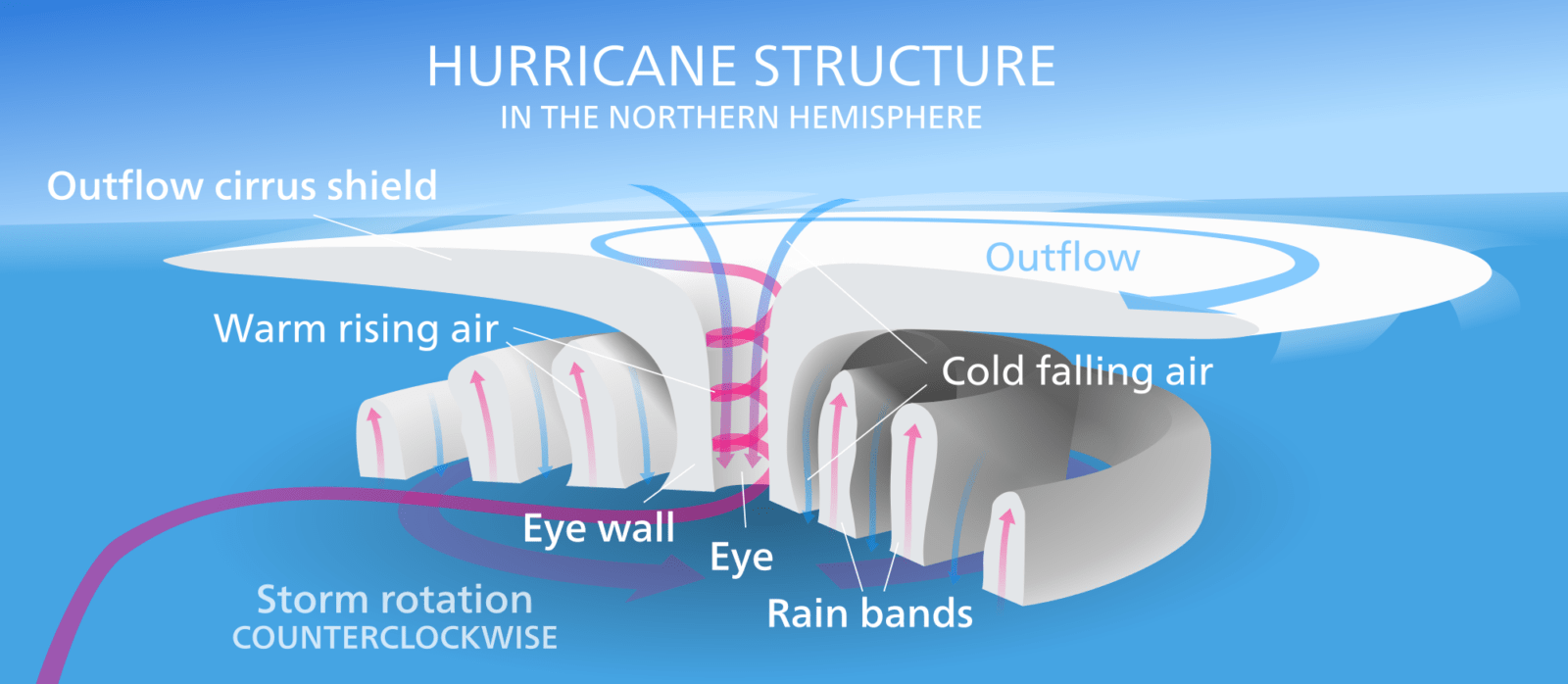
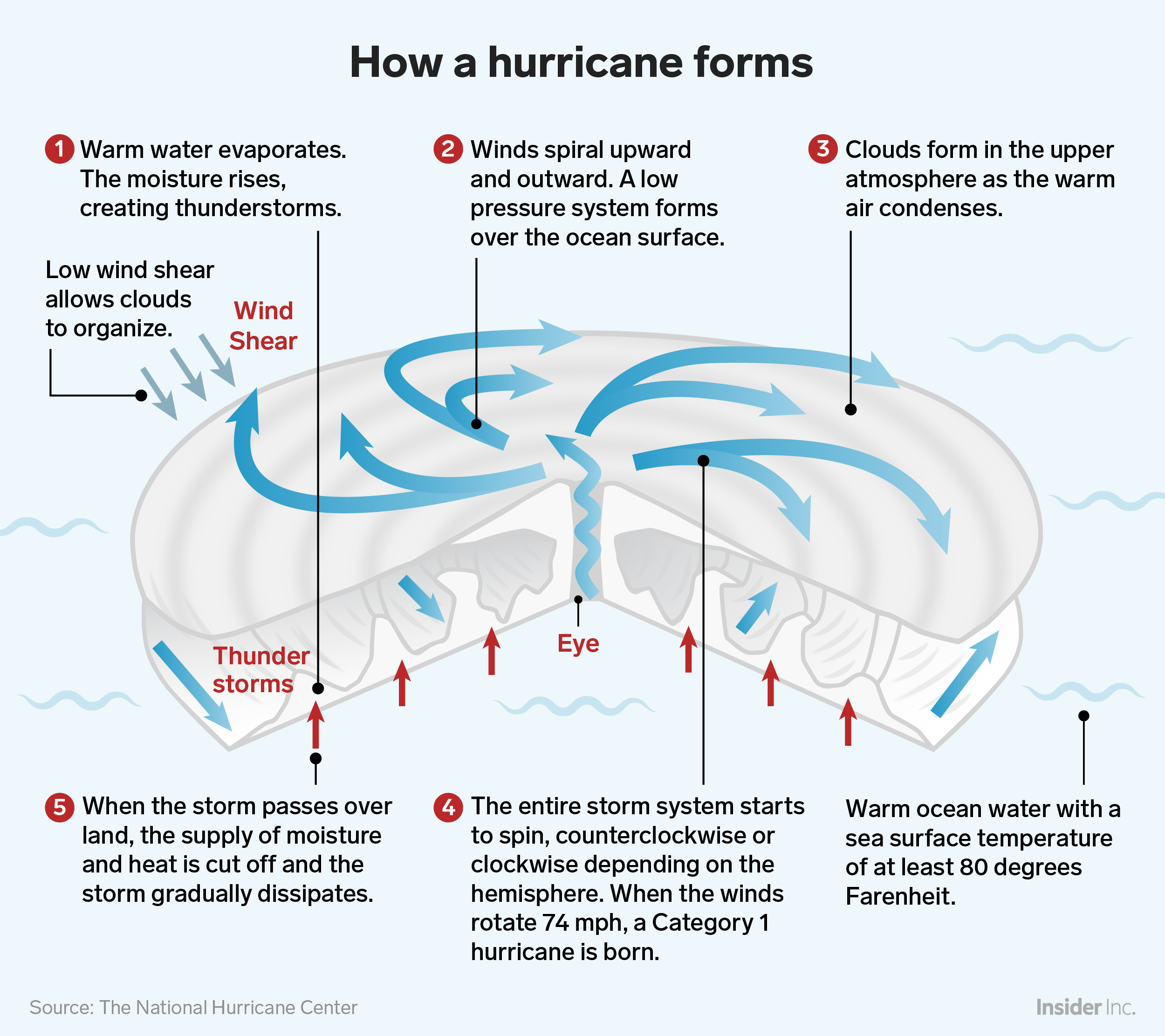
So, just how much energy are we talking about? Prepare to be amazed. A fully developed hurricane can release heat energy at a rate equivalent to a 10-megaton nuclear bomb exploding every 20 minutes. Let that sink in for a moment! In terms of electrical power, its rate of energy release is about 200 times the world's electricity generating capacity. Most of this incredible energy comes from the process of condensation – when water vapor from the warm ocean surface turns back into liquid rain droplets high in the atmosphere. This releases latent heat, which then fuels the storm's powerful winds and spiraling structure. While the destructive wind energy is what we often focus on, it's actually just a tiny fraction – about 1% – of the total energy budget. The vast majority is in that incredible heat release. Whether it's a Category 1 storm or a terrifying Category 5, the difference in destructive potential is immense, but the sheer total energy involved is always staggering.
Must Read
Ready to explore this powerful topic yourself? You don't need a supercomputer! A simple way to get started is to watch documentaries about hurricanes, like those often found on nature channels or streaming services. They often do an excellent job of visually explaining the scale of these storms. You can also follow reputable weather science organizations online, such as NOAA (National Oceanic and Atmospheric Administration) or NASA, which frequently publish articles and infographics breaking down these complex topics. Don't be afraid to do a quick search for "hurricane energy comparison" – you'll find fascinating analogies that help put those enormous numbers into perspective. The key is to focus on the scale and the incredible forces at play, rather than getting bogged down in complex equations.
Ultimately, understanding the energy of a hurricane isn't just about statistics; it's about connecting with the raw, untamed beauty and power of our planet. It’s a humbling and inspiring thought to consider such immense forces at work. So, next time you hear about a hurricane, take a moment to ponder the incredible, invisible engine driving it all. It’s a wonderful way to appreciate the dynamic world we live in!