How Much Energy Does Solar Panels Produce Per Day
Okay, so picture this: I'm staring intensely at my electricity bill, convinced the power company is secretly fueling a small space shuttle with my money. Seriously, it's astronomical. That's when it hit me – solar panels. Not just for tree-hugging hippies anymore, right? So, I started digging... and digging... and digging. And what I really wanted to know was: how much juice are these things actually churning out on a daily basis?
That brings us to the burning question: How much energy does a solar panel produce per day? The simple (and slightly unsatisfying) answer? It depends. (Yep, I know, you hate that answer. I do too.) But stick with me, it gets more specific!
Factors that Influence Daily Solar Panel Production
Think of your solar panels like little energy-collecting sponges. How much they soak up depends on a bunch of different things:
Must Read
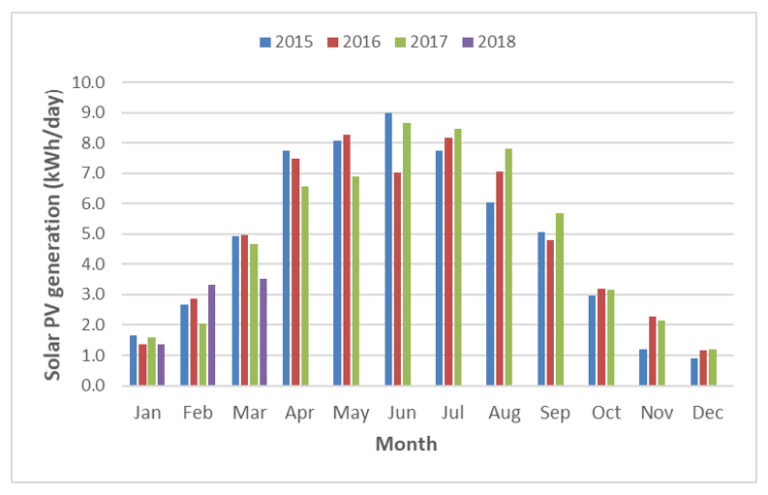
- Sunlight, obviously: The more sun, the merrier! Cloudy days are a solar panel's worst enemy. Think of it like trying to sunbathe behind a perpetually grumpy cloud. Not gonna happen.
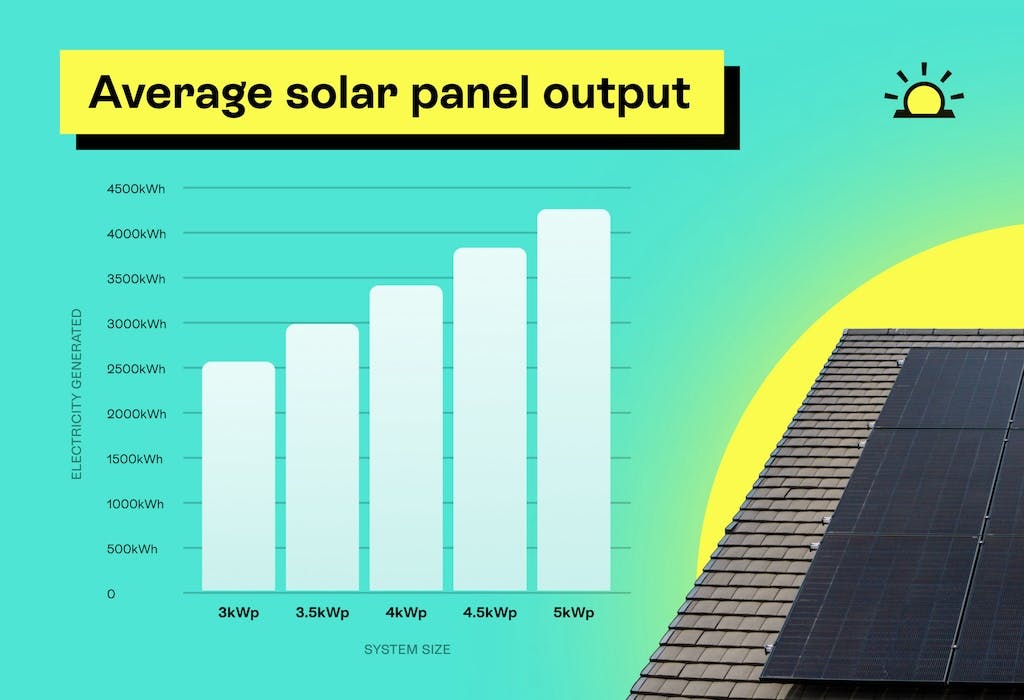
- Panel Size and Efficiency: Bigger and better panels capture more sunlight and convert it more efficiently into electricity. This is where investing in good quality stuff pays off. Don't cheap out here! Trust me.
- Panel Angle and Orientation: If your panels are facing the wrong way, or at the wrong angle, they won't get the maximum sunlight exposure. It’s like trying to catch rain in a teacup during a monsoon. Aiming them just right is crucial.
- Location, Location, Location: Living in sunny Arizona? You're golden. Living in perpetually overcast Seattle? Well, you'll still get some energy, but not nearly as much. (Sorry, Seattle friends!)
- Panel Age and Condition: Over time, panels can degrade. Think of it like your favorite old t-shirt – it still works, but it's not quite as vibrant as it used to be. Regular maintenance helps!
See? It's a whole ecosystem of energy production!
Getting Down to Numbers: An Average Calculation
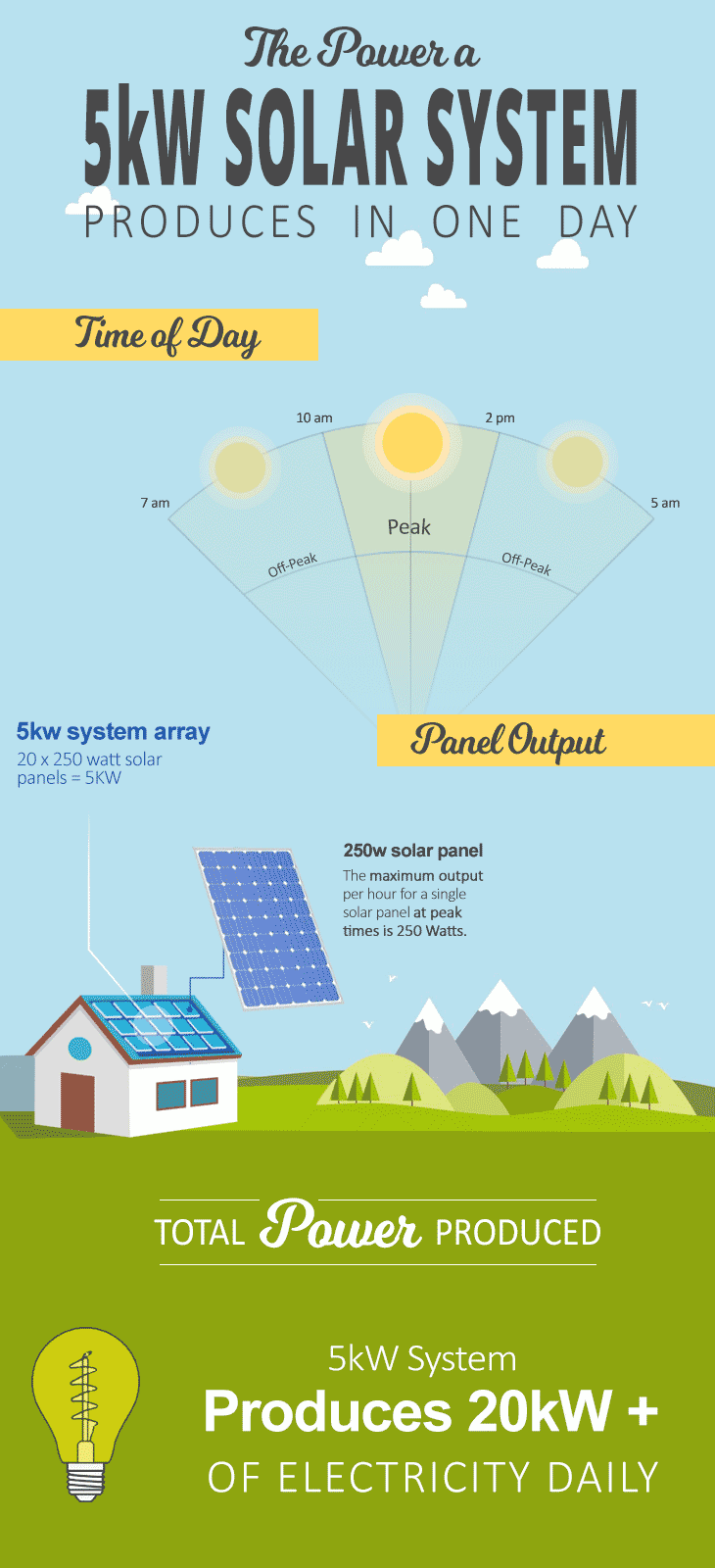
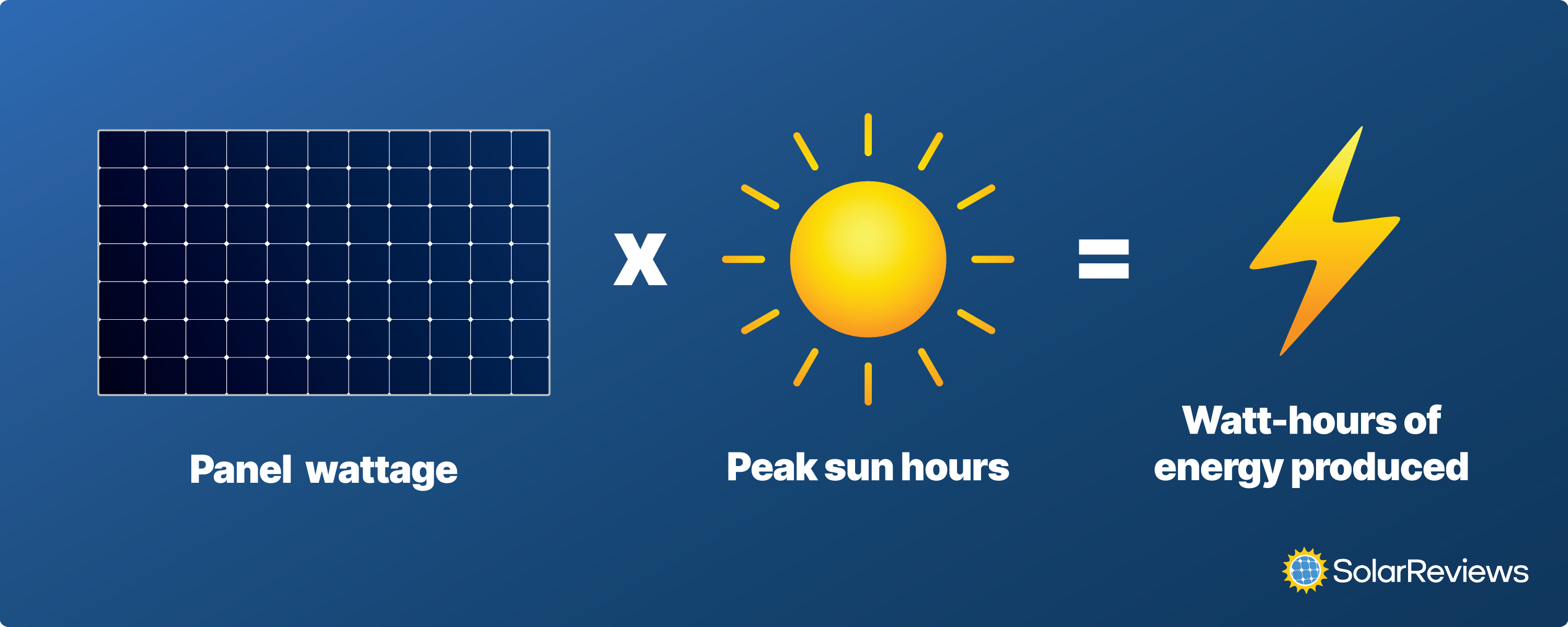
Alright, enough with the generalities. Let’s try to pin down some actual numbers. Let's say you have a 300-watt solar panel (a pretty common size). On a good sunny day, in a place with decent sunshine, you could expect it to generate around 1.5 kilowatt-hours (kWh) of electricity. (That's 300 watts multiplied by 5 hours of peak sunshine, divided by 1000 to get kWh.)
Hold on, what's a kWh? Think of it as the unit your electricity company uses to bill you. It's basically how much energy you use to power a 1,000-watt appliance for an hour.
So, that 1.5 kWh might be enough to run your refrigerator for a day, or power a bunch of lights, or maybe run your TV for a good long Netflix binge. (Priorities, people!)
![How much electricity do solar panels produce? [UK, 2025]](https://images.prismic.io/sunsave-website/Z64Jh5bqstJ9-lRu_Cutyourenergybillswithsolar-final-.png?auto=format%2Ccompress&fit=max&w=3840)
Now, multiply that by the number of panels you have, and you get a rough estimate of your daily solar energy production. But remember, this is just an average! Actual output can vary quite a bit.
Beyond the Daily Output: Thinking Long-Term
It’s not just about the daily production; you need to think about the annual output. Some days will be super sunny, others will be cloudy. Some seasons will have more sunshine than others. All of that averages out over the year.
Solar panel companies often estimate annual production, and that's a more reliable number to use for planning. They’ll take all those factors – location, panel efficiency, etc. – into account to give you a realistic estimate.
Bottom line: While pinpointing the exact daily energy production is tricky, understanding the factors that influence it and looking at annual estimates will help you figure out if solar panels are a worthwhile investment for you. And maybe, just maybe, you can finally escape the clutches of that ridiculously high electricity bill. (Good luck with that space shuttle, power company!)