How Much Energy Does One Wind Turbine Produce
Wind turbines. They're everywhere, aren't they? From sprawling wind farms that dot the landscape to miniature versions adorning gardens, these spinning behemoths have captured our imaginations. But beyond their visual appeal, have you ever stopped to wonder: how much energy does one actually produce? It's a question that opens a window into the world of renewable energy and a topic that's surprisingly accessible and even creatively inspiring for artists, hobbyists, and anyone with a curious mind.
For artists and hobbyists, understanding the energy output of a wind turbine offers a unique perspective. Imagine designing a kinetic sculpture powered entirely by a small wind turbine. Knowing its power generation capacity allows you to choose the right motor, lighting, or even integrate sensors for interactive elements. Perhaps you’re a painter intrigued by the shapes and shadows cast by these structures. Understanding their scale and function informs your artistic interpretation. Even for the casual learner, grasping the basics of wind energy is empowering. You can better evaluate renewable energy solutions and contribute to informed discussions about sustainability.
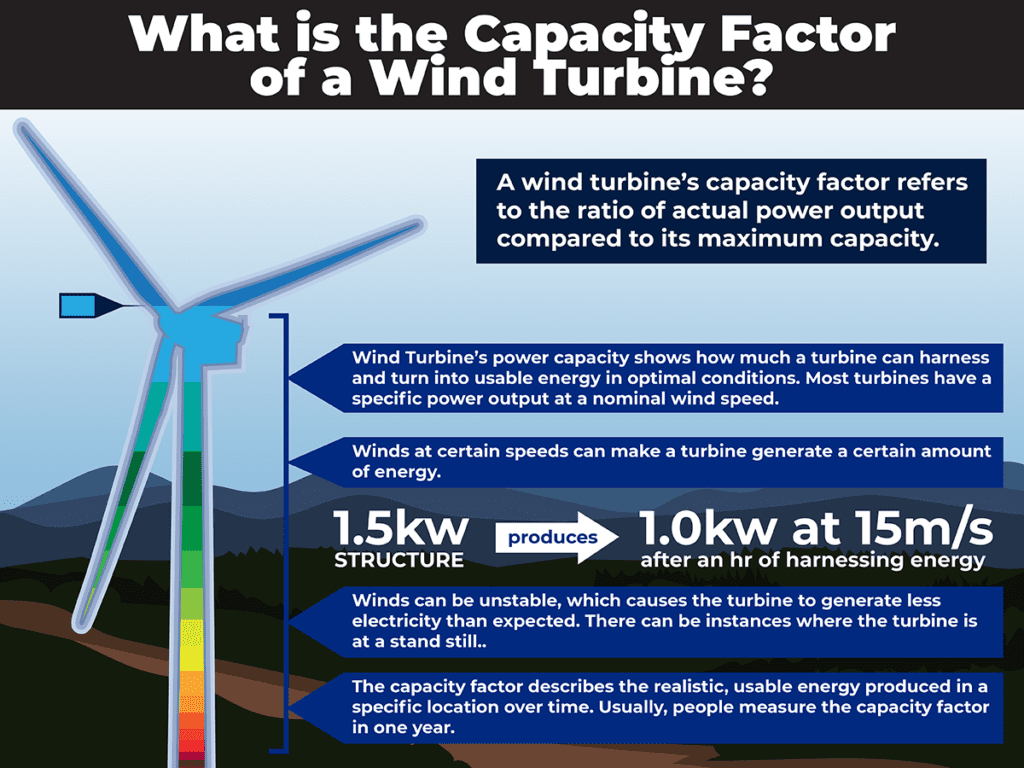
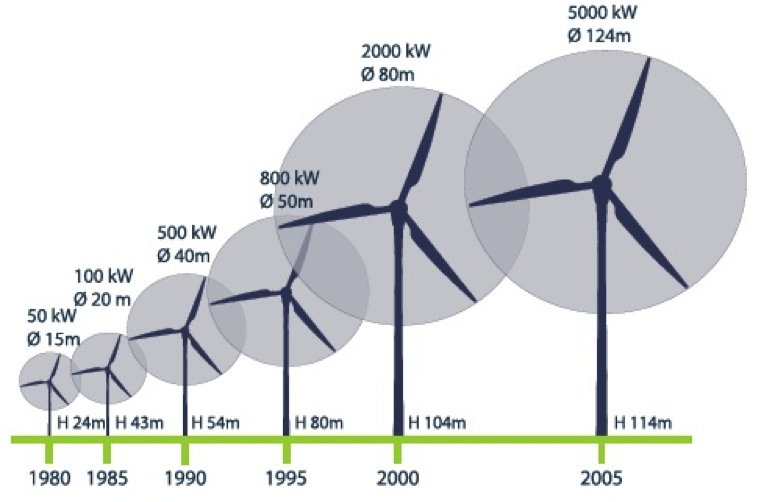
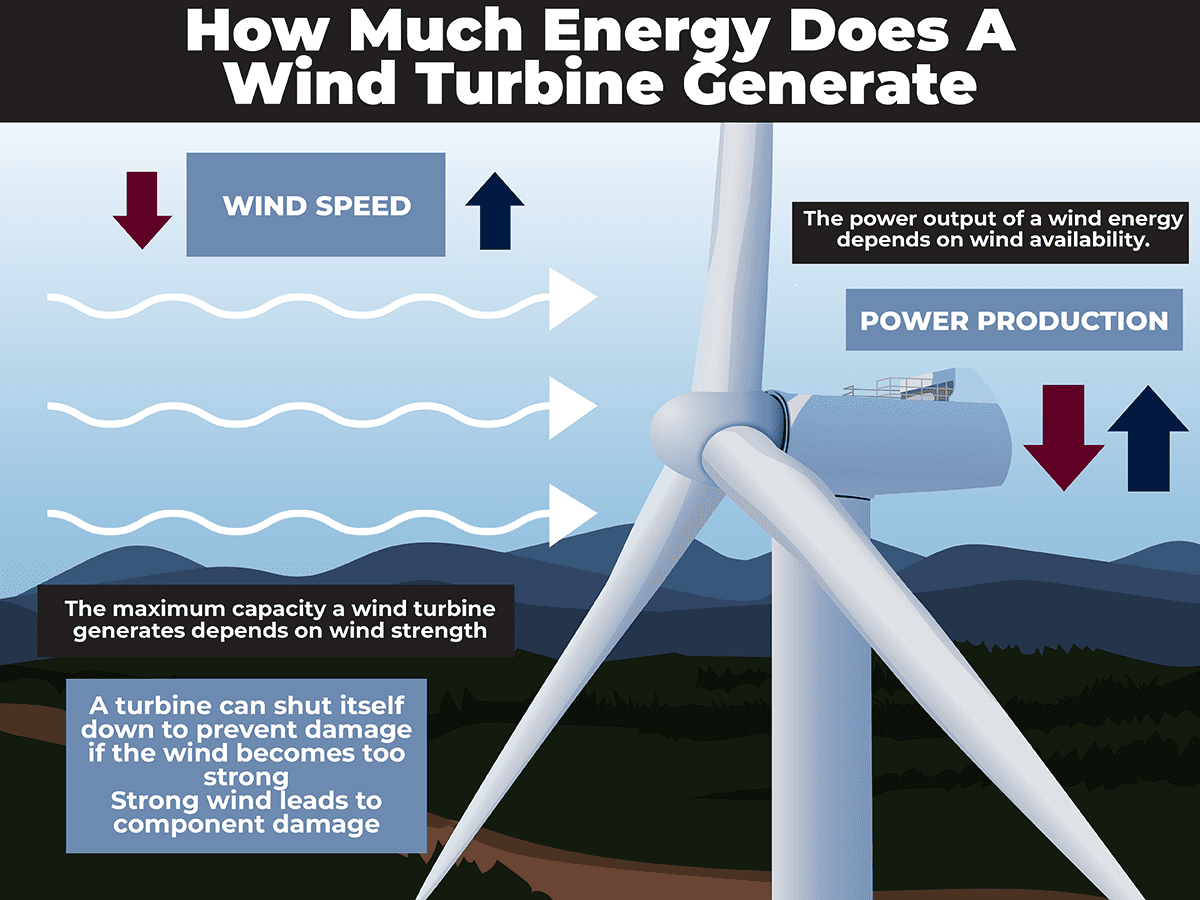
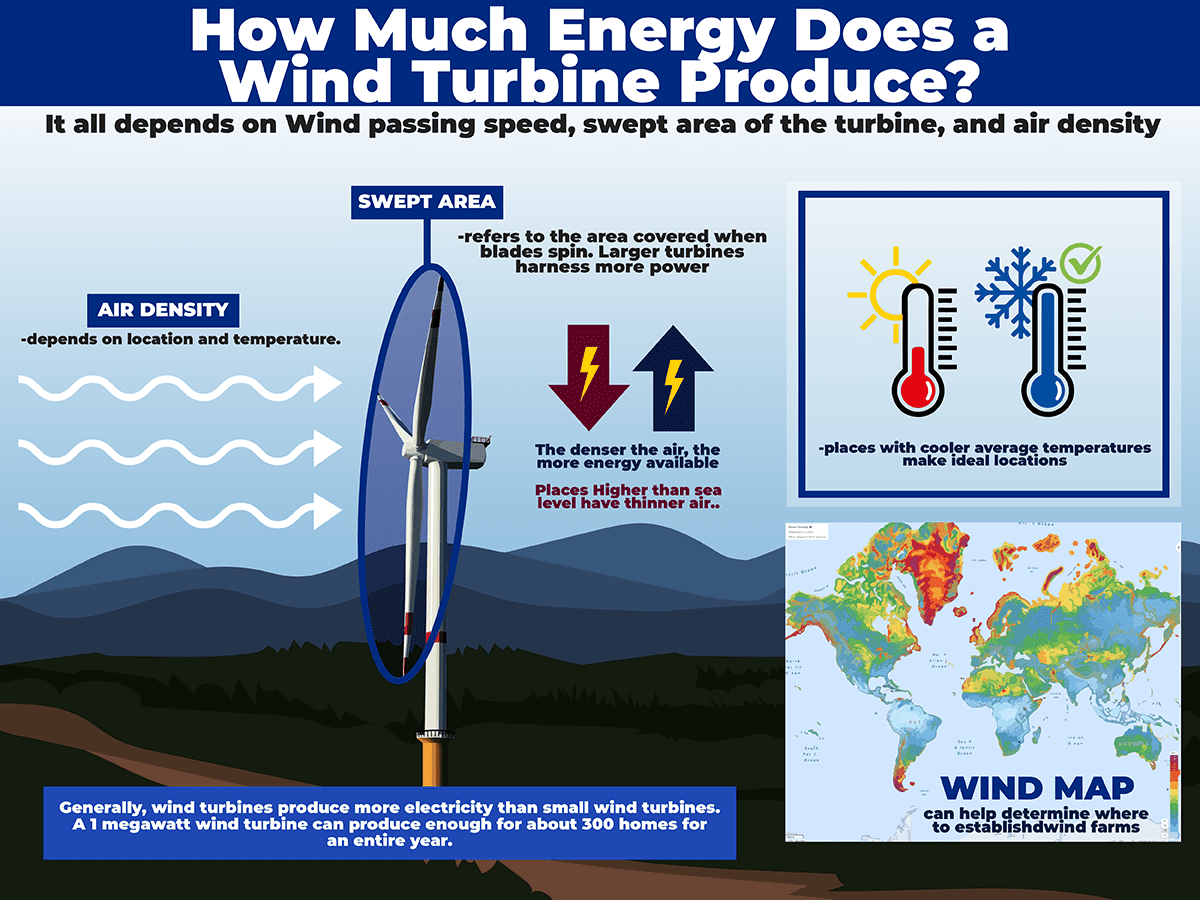
The energy generated by a wind turbine isn't a fixed number. It varies wildly depending on several factors, primarily the turbine's size and the wind speed. A small residential turbine might produce just a few kilowatts (kW), enough to offset some of your home's electricity usage. On the other hand, a large utility-scale turbine, towering hundreds of feet tall, can generate several megawatts (MW), enough to power hundreds of homes. Think of it like this: a tiny desktop fan provides a gentle breeze, while an industrial fan moves significantly more air. Similarly, larger turbines capture more wind and convert it into more electricity.
Must Read
Consider the variations. There are horizontal-axis wind turbines (HAWTs), the classic three-bladed design, and vertical-axis wind turbines (VAWTs), which look like eggbeaters. HAWTs are generally more efficient for large-scale energy production, while VAWTs can operate in more turbulent winds and are often used in urban environments. Subject-wise, think about the impact of turbine placement. Coastal regions with consistent winds yield higher energy output compared to inland areas with variable wind patterns. These variables create a fascinating range of possibilities for artistic exploration.
Interested in exploring this firsthand? You don't need to build a full-scale wind farm in your backyard! There are numerous DIY wind turbine kits available online. Building a small model is a fantastic way to understand the principles of wind energy. Start small and focus on the basics: understanding blade design, generator types, and how to measure voltage and current. Utilize readily available materials like PVC pipes, small DC motors, and multimeters. Remember to research safety precautions and follow instructions carefully. Even a non-functional model can be a powerful learning tool, allowing you to experiment with blade shapes and understand wind direction effects.
Ultimately, learning about wind turbine energy production is about more than just technical data. It's about connecting with the power of nature, understanding our energy consumption, and exploring creative possibilities. It's enjoyable because it taps into our innate curiosity and empowers us to be more informed and engaged citizens of a sustainable future. It's a fascinating blend of science, art, and environmental awareness that's sure to spark your interest and leave you feeling inspired to learn more.