
How Much Energy Does One Solar Panel Produce
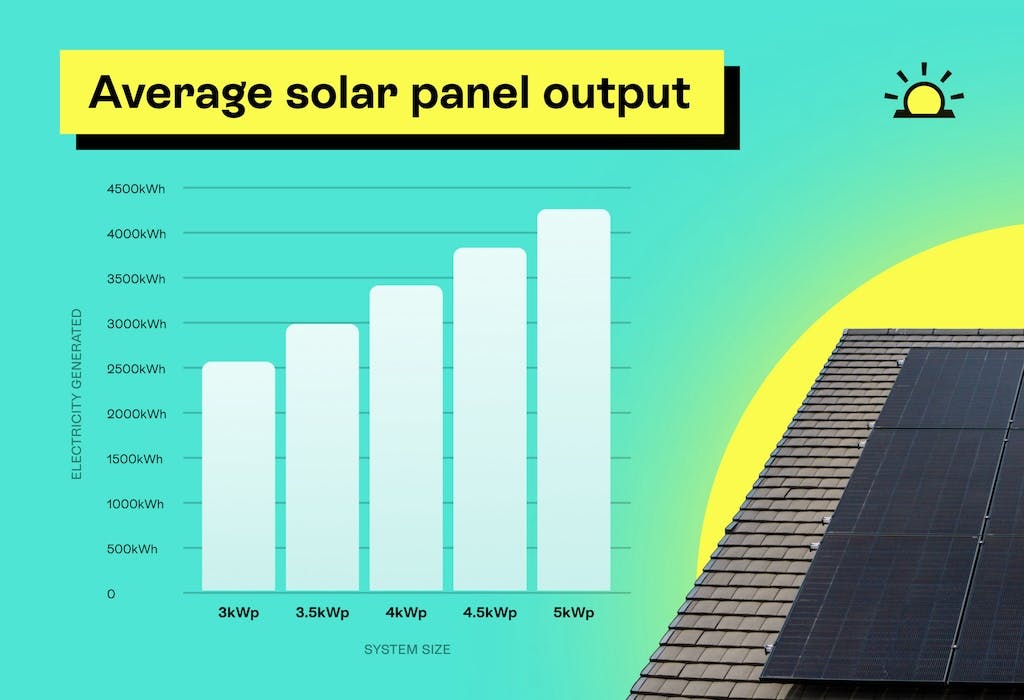
Ever wondered how much juice one of those sleek, sun-soaking solar panels actually whips up? Let's dive in and see how much sunny goodness we're talking about!
Decoding the Solar Panel Powerhouse
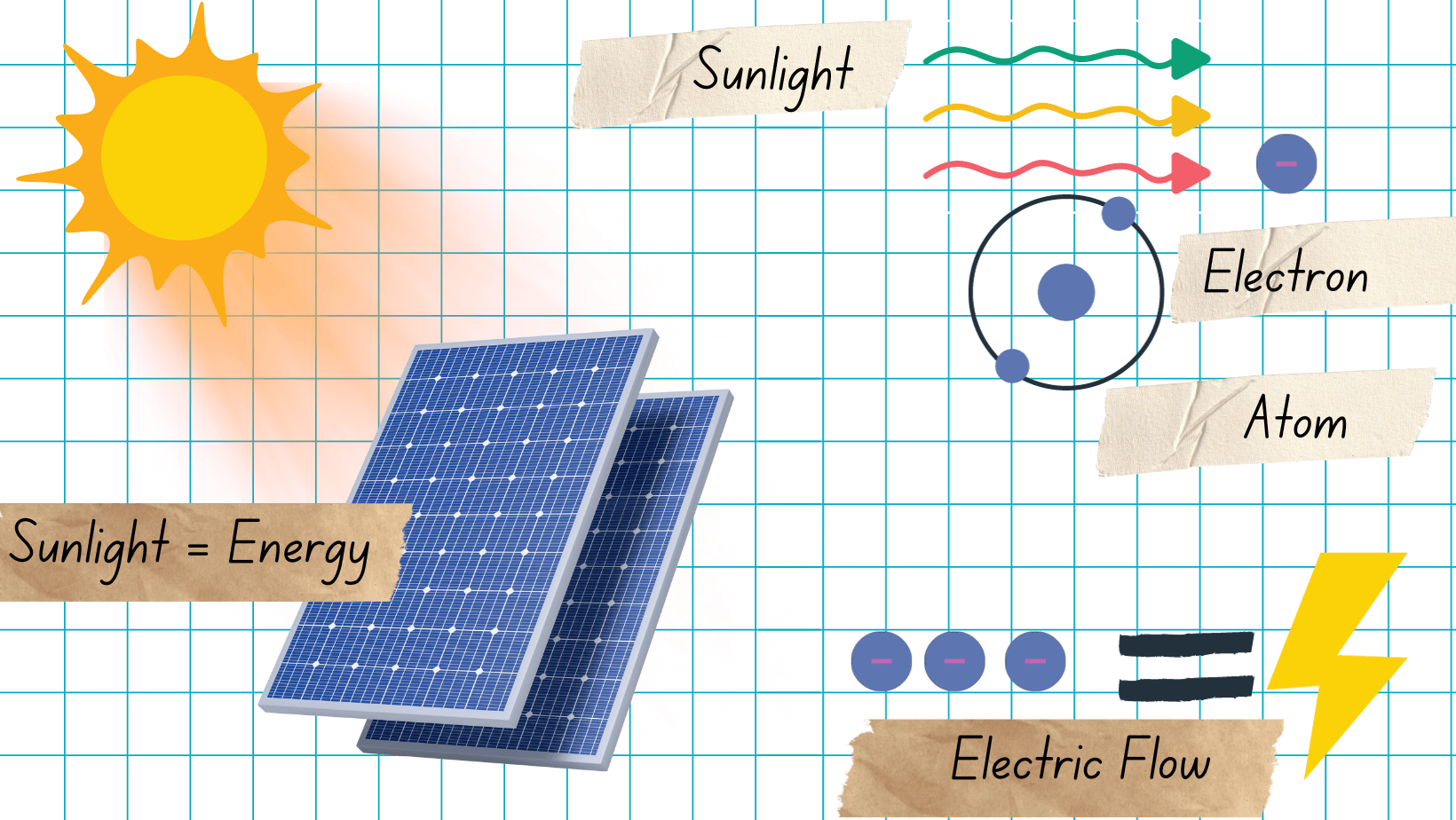
Okay, so picture this: a typical solar panel is like a tiny, super-efficient electricity factory. Most residential solar panels crank out somewhere in the ballpark of 300 to 400 watts. Think of it as the panel's maximum power-producing potential in ideal conditions.
But wait, there’s a catch (isn’t there always?). This number is like a car's top speed – you rarely hit it in everyday driving.
Must Read
Factors Influencing the Power Output
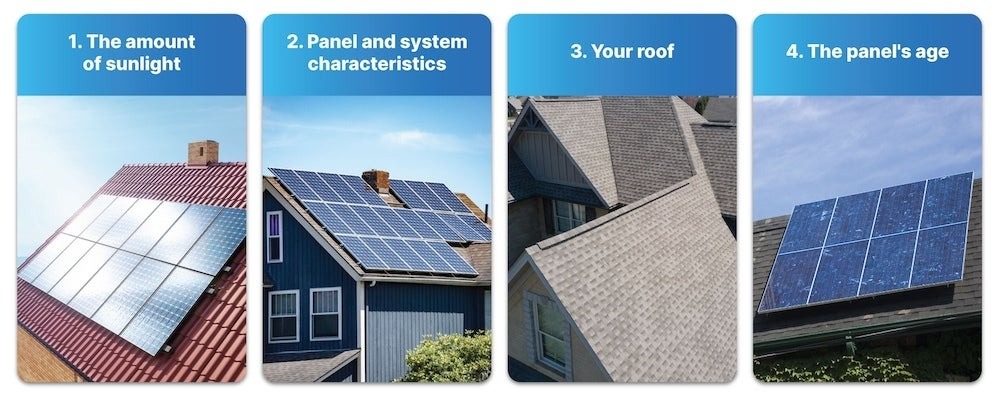
So, what throws a wrench in our sunny plans? Well, several things can affect how much power your panel actually delivers. Let's look at the usual suspects!
First, there's the sun, our primary energy source. A cloudy day is like the sun taking a coffee break. Less sunlight equals less power.
Next, angle matters. If the sun is shining directly onto the panel, it's like hitting the power jackpot. If it's at an angle, it's like trying to fill a glass sideways – less efficient.
Temperature also plays a role. Solar panels, surprisingly, don't love scorching heat. High temperatures can actually decrease their efficiency. Who knew?!
The Watt-Hour Workout
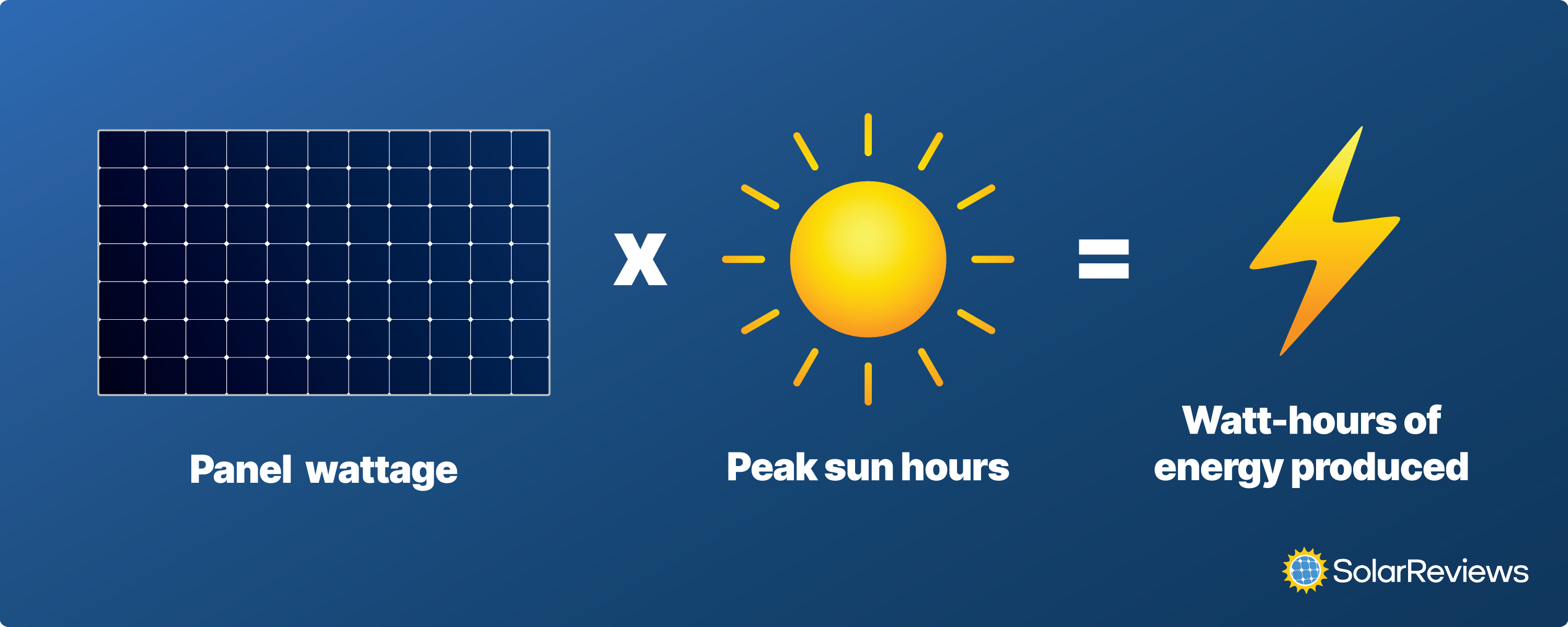
Now, let's get into watt-hours. A watt-hour is simply how much energy is produced in an hour. If your 300-watt panel is basking in full sun for an hour, it'll happily churn out 300 watt-hours of electricity.
And kilowatt-hours, or kWh, are like the big kahuna. It is simply 1000 watt-hours. Your electricity bill is measured in kWh, so this is the number to watch.
Let's say your panel averages 5 hours of peak sunshine a day. That translates to 1.5 kWh per day (300 watts x 5 hours = 1500 watt-hours = 1.5 kWh). Multiply that by 30 days, and you're looking at 45 kWh per month from just one panel.
Powering Everyday Life: The Solar Panel Edition
So, what can 45 kWh actually do? Well, let's get relatable. It's enough to power a refrigerator for a whole month. Think of that – one panel keeping your milk cold and your leftovers fresh!
Or, imagine powering a laptop for 225 hours. That's practically living on your laptop. Binge-watching your favorite shows without feeling guilty? Solar power to the rescue!
![35 Latest Solar Power Statistics, Charts & Data [2025]](https://theroundup.org/wp-content/uploads/2022/02/global-annual-solar-energy-production.png)
You could also run a ceiling fan almost non-stop for an entire month. Stay cool, my friends, stay cool.
Multiple Panels, Multiple Possibilities
Of course, no one rocks only one solar panel on their roof. It is not a solar-chic fashion statement, is it? The magic happens when you string multiple panels together to create a solar array.
A typical home solar system might have, say, 20 panels. That is a real solar power plant on your roof! Now, you can wave goodbye to those scary electricity bills.
With 20 panels, you're potentially generating 900 kWh per month (20 panels x 45 kWh/panel). That's enough to power most of your home's appliances, lights, and even charge your electric car.
Factors Affecting Real-World Energy Production
So, we know how panels can give you energy, but many things need to be consider!
Location, location, location! States like California and Arizona, with tons of sunshine, will naturally squeeze more power out of their panels than, say, Seattle.
Also, shading from trees or nearby buildings can significantly reduce your panels' output. It's like throwing a shadow party, and your panels are not invited.
Maintaining Your Solar Superstar
Keeping your panels clean is also super important. Dust, dirt, and bird droppings can block sunlight, reducing efficiency. Think of it as giving your panels a spa day.
Also, regular maintenance is key to keeping your system running smoothly. Just like a car, solar panels need a little check-up every now and then to ensure optimal performance.
The Future is Bright (and Solar-Powered)
So, there you have it – a glimpse into the power of a single solar panel. It might seem small, but it's a mighty little energy producer that can make a real difference.
As technology advances, solar panels are only getting more efficient and affordable. The future is bright, and it's powered by the sun!
Embrace the Sun!
Investing in solar panels is not only good for your wallet. It's a fantastic way to reduce your carbon footprint and contribute to a cleaner, more sustainable future.
So, why not harness the power of the sun and start generating your own clean energy? Let the sunshine in and the savings begin!
Think of it, your own little power station on your roof, silently humming, churning out clean, green energy, all thanks to a little sunshine and some clever technology. It's like having your own personal superpower.