
How Much Energy Does Hydroelectricity Produce
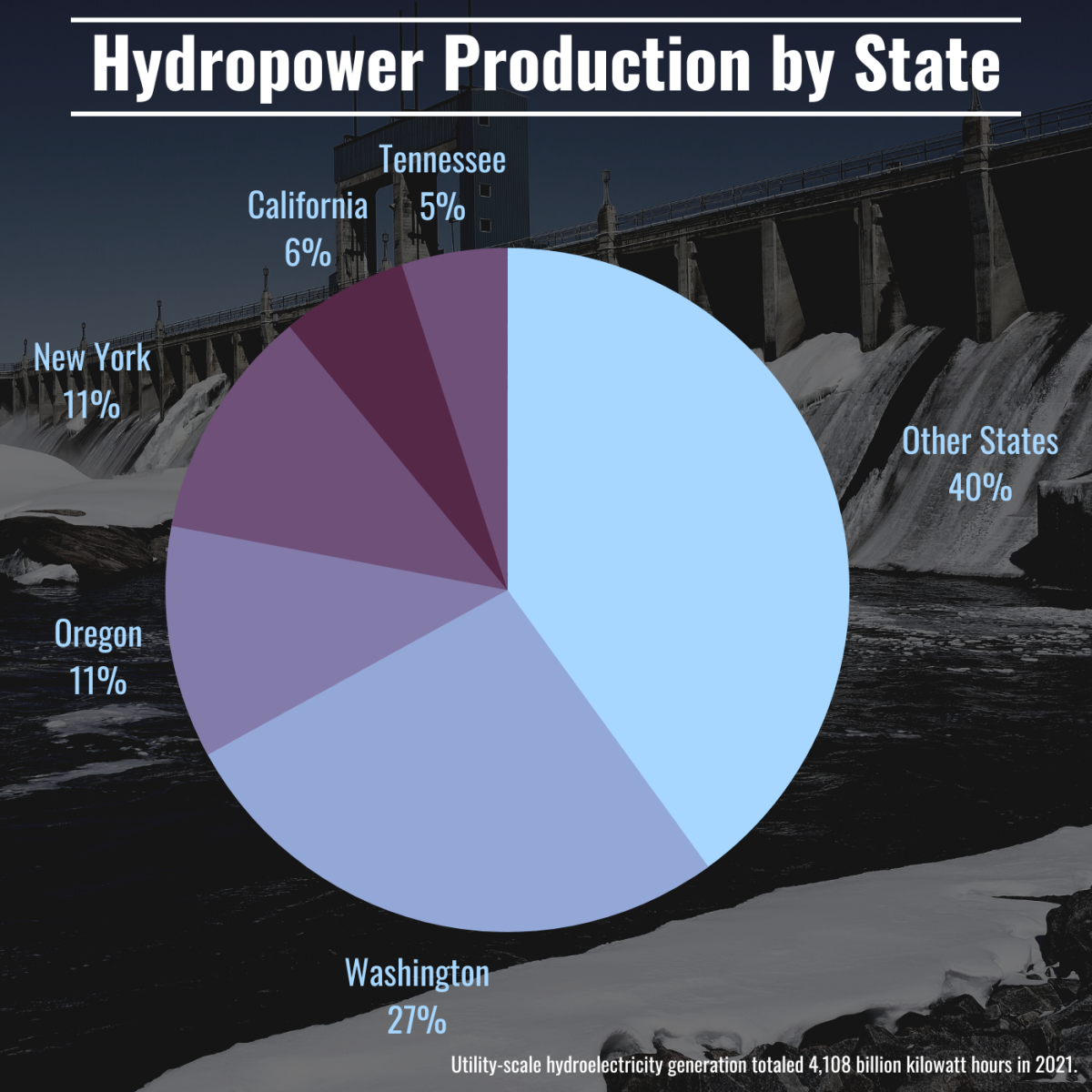
Ever wondered where some of our electricity comes from? Buckle up, because we're diving into the wonderful world of hydroelectricity! It's all about harnessing the power of water. Think of it as nature's own battery.
Water Power: It's Electrifying!
So, how much energy are we talking about? Hydroelectricity is a surprisingly big player in the energy game. It's not just a trickle; it can be a torrent of power!
Globally, hydroelectricity supplies a significant chunk of our electricity. Around 16% of the world's total electricity comes from the flow of rivers and dams. That's enough to power billions of light bulbs!
Must Read
The Mighty Dams
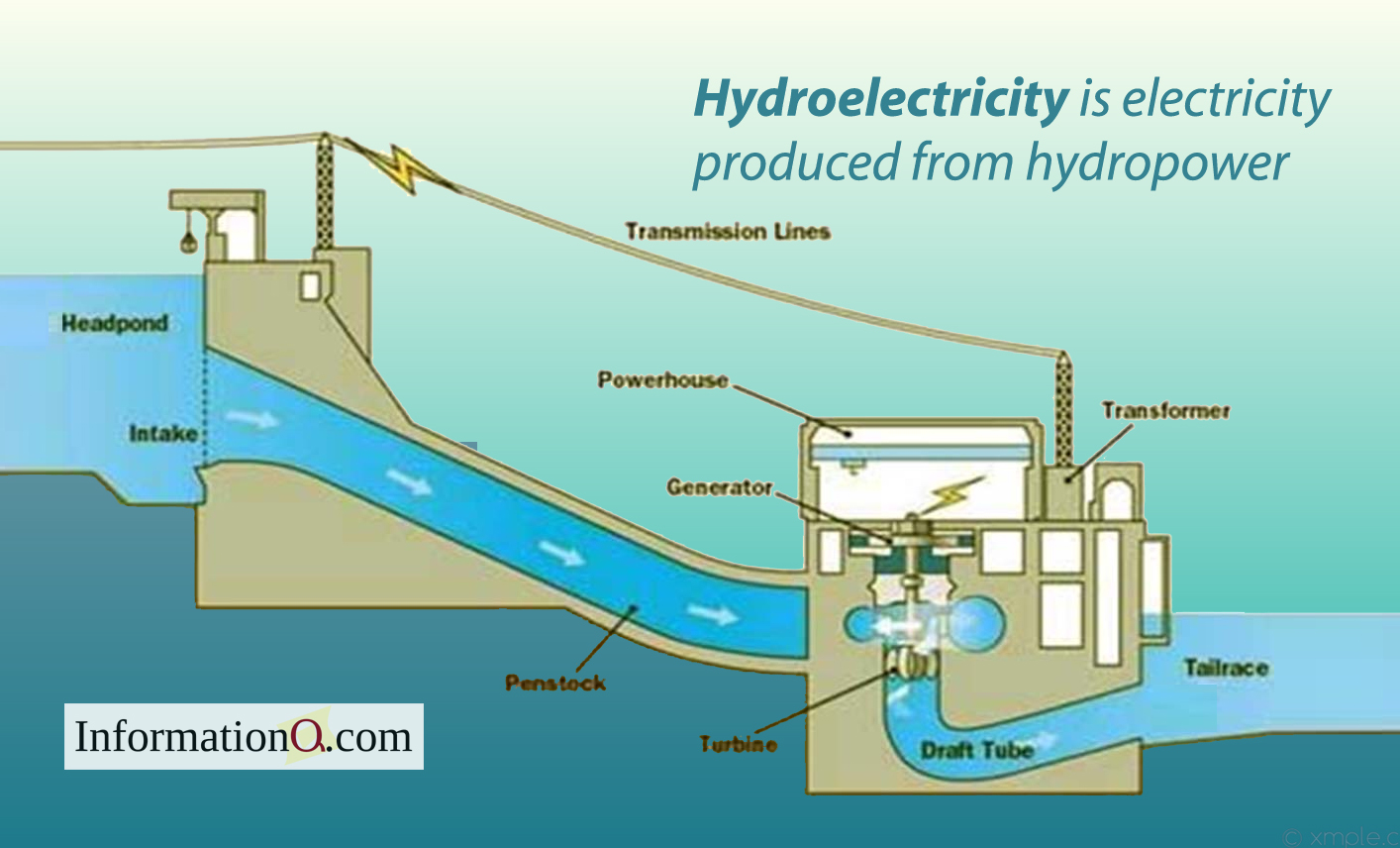
Dams are the superstars of hydroelectricity. These giant structures hold back water, creating reservoirs. This stored water has potential energy just waiting to be unleashed.
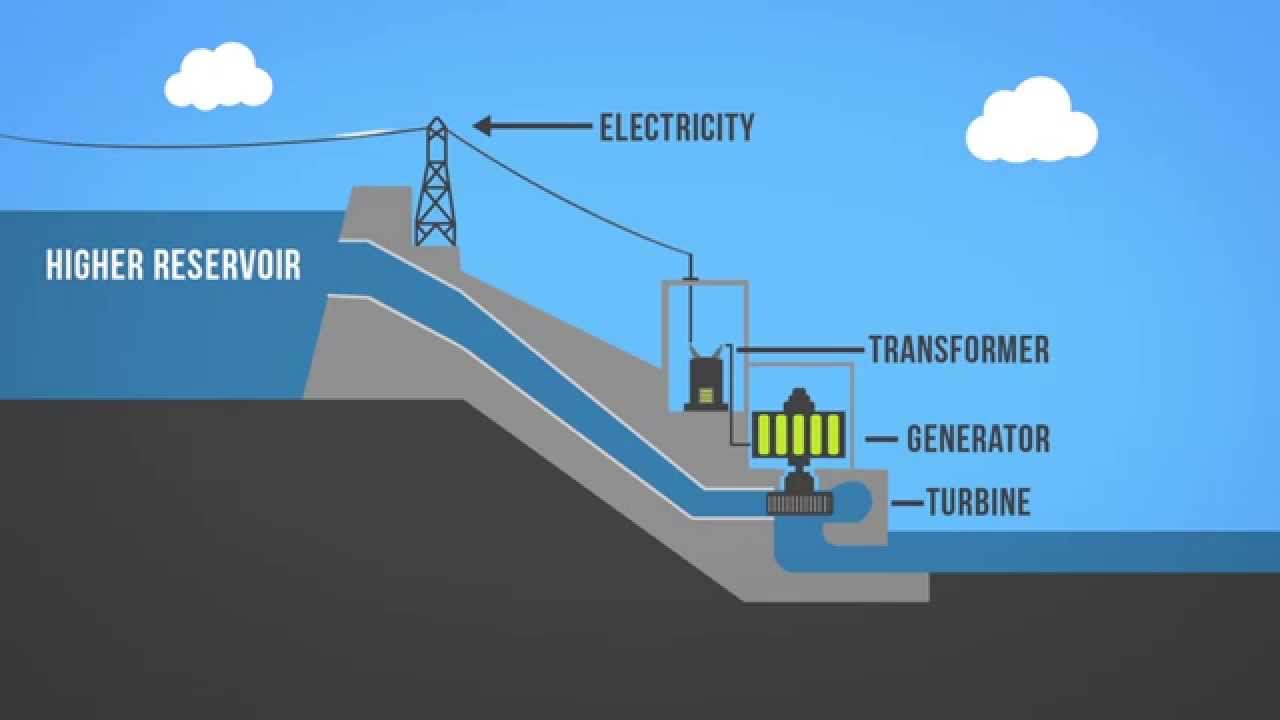
When the water is released, it rushes through turbines. These turbines are like giant water wheels. They spin like crazy, converting the water's kinetic energy into mechanical energy. Then, a generator turns that mechanical energy into electricity.
Think of it like this: a water slide that powers your phone! Okay, it's a bit more complicated than that, but you get the idea.
Variable Output: It's a Watery Rollercoaster
The amount of electricity produced by a hydroelectric plant isn't always constant. It depends on a few things, like how much water is available.
Rainfall and snowmelt play a crucial role. More water means more power! Dry seasons, on the other hand, can lead to lower electricity generation.
It's like a watery rollercoaster! Sometimes the power is surging, and sometimes it's a bit more of a gentle ride.
Mega-Dams and Gigawatt Glory
Some hydroelectric plants are absolutely massive. These mega-dams can generate enormous amounts of electricity.
The Three Gorges Dam in China is a prime example. It's the world's largest power station in terms of installed capacity. It can generate over 22,500 megawatts of electricity! That's enough to power several major cities.
To put that in perspective, a typical nuclear power plant generates around 1,000 megawatts. So, the Three Gorges Dam is like having over twenty nuclear power plants in one location.
Small-Scale Hydro: Think Micro!
Hydroelectricity isn't just about massive dams. There's also small-scale hydro, which can be perfect for powering individual homes or small communities.
These systems use smaller turbines and don't require huge reservoirs. They can be a great option for areas with flowing water sources.
Imagine having your own personal hydroelectric plant! It's like having a mini-Niagara Falls in your backyard (but probably a bit smaller and less noisy!).
Environmental Considerations: The Ups and Downs
Hydroelectricity has its pros and cons when it comes to the environment. It's a renewable energy source, which is a huge plus.
However, damming rivers can have significant impacts on ecosystems. It can disrupt fish migration and alter water flow patterns.
It's a balancing act. We need to weigh the benefits of clean energy against the potential environmental costs.
Finding the Balance
Scientists and engineers are working hard to minimize the environmental impacts of hydroelectricity. They're developing new technologies and strategies to make it more sustainable.
Fish ladders, for example, help fish migrate around dams. Releases of water mimic natural flow patterns. These measures help protect aquatic ecosystems.
The goal is to harness the power of water responsibly. It's about finding a way to generate clean energy while preserving our natural world.
The Future of Hydroelectricity
Hydroelectricity will likely continue to play an important role in our energy future. It's a reliable and proven technology. It's also a source of energy that doesn't rely on fossil fuels.
Innovations in turbine design and dam construction are making hydroelectricity even more efficient and environmentally friendly.
Who knows, maybe one day we'll all be powering our homes with the gentle flow of a nearby stream!
Pumped Storage: A Battery for the Grid
One particularly interesting application of hydroelectricity is pumped storage. This system acts like a giant battery for the electrical grid.
During periods of low demand, excess electricity is used to pump water from a lower reservoir to a higher reservoir. When demand is high, the water is released, generating electricity.
It's like storing energy in a watery piggy bank! Pumped storage helps balance the grid and ensures a reliable supply of electricity.
The Global Picture
Different countries rely on hydroelectricity to varying degrees. Some countries, like Norway, generate almost all of their electricity from hydropower.
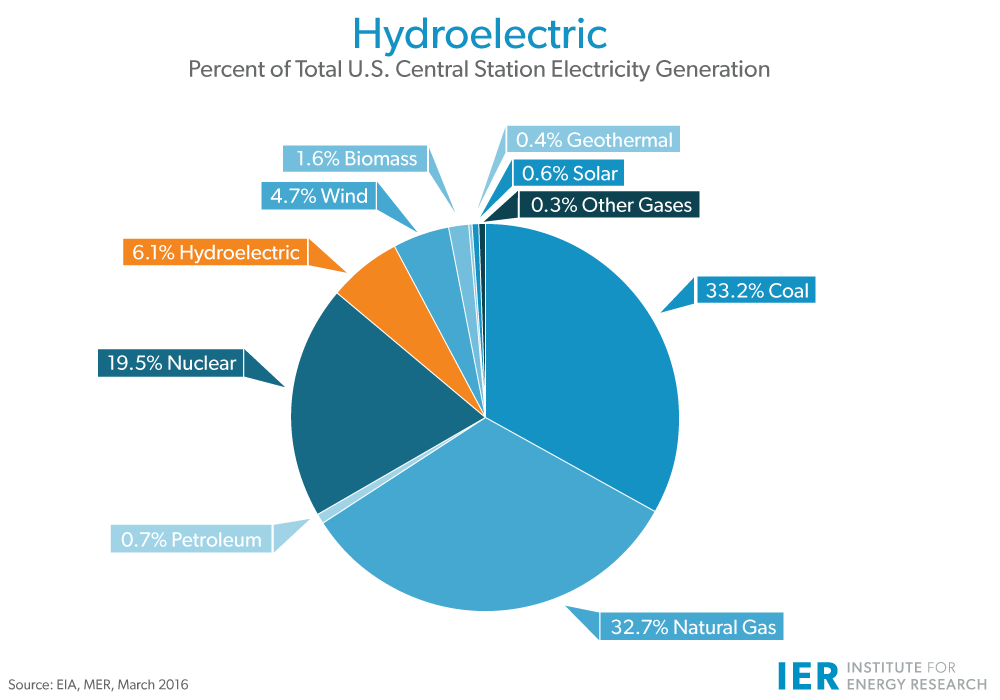
Other countries, like the United States, have a more diverse energy mix. Hydropower accounts for a smaller, but still significant, percentage of their electricity generation.
The availability of water resources and the presence of suitable terrain are key factors that determine a country's potential for hydroelectric development.
Is Hydro Power Right For You?
Want to learn more about hydroelectricity? There are tons of resources available online and in libraries. You could even visit a hydroelectric dam! Many offer tours and educational programs.
You might be surprised by the ingenuity and complexity of these structures. See for yourself how nature and engineering work together to bring us clean, renewable energy.
Who knows? You might just be inspired to become the next great hydroelectric engineer! Or at least have a fascinating story to tell at your next dinner party.
Hydropower Heroes
Let's not forget the people who make it all happen. From the engineers who design the dams to the operators who manage the power plants, countless individuals work behind the scenes to bring us hydroelectricity.
These hydropower heroes are dedicated to providing clean, reliable energy. They are also committed to protecting the environment.

So, the next time you flip a light switch, take a moment to appreciate the power of water and the people who harness it.
The Energy Around You
Electricity is all around us, powering our homes, businesses, and transportation systems. Understanding where it comes from is important.
Hydroelectricity is just one piece of the puzzle. But it's a fascinating and important piece. It's a testament to our ability to harness the power of nature for the benefit of society.
So, keep exploring, keep learning, and keep asking questions. The world of energy is full of surprises!
A Sustainable Future
As we look to the future, the need for clean, renewable energy sources will only grow stronger. Hydroelectricity has the potential to play a significant role in a sustainable energy future.
By embracing innovation and responsible environmental practices, we can unlock the full potential of this powerful resource. Water is a resource that if managed appropriately, can be a clean, and sustainable power source.
Remember, every drop counts! (Especially when it's powering your phone.)