How Much Energy Does Hydroelectric Power Produce
Ever wonder where that electricity powering your phone, lights, and even your favorite electric car comes from? While solar panels and wind turbines get a lot of buzz (pun intended!), there's another powerful player in the energy game: hydroelectric power. It's a fascinating way to harness the might of water, and understanding how much energy it actually produces is surprisingly interesting, especially as we all become more aware of our energy consumption and its impact on the planet.
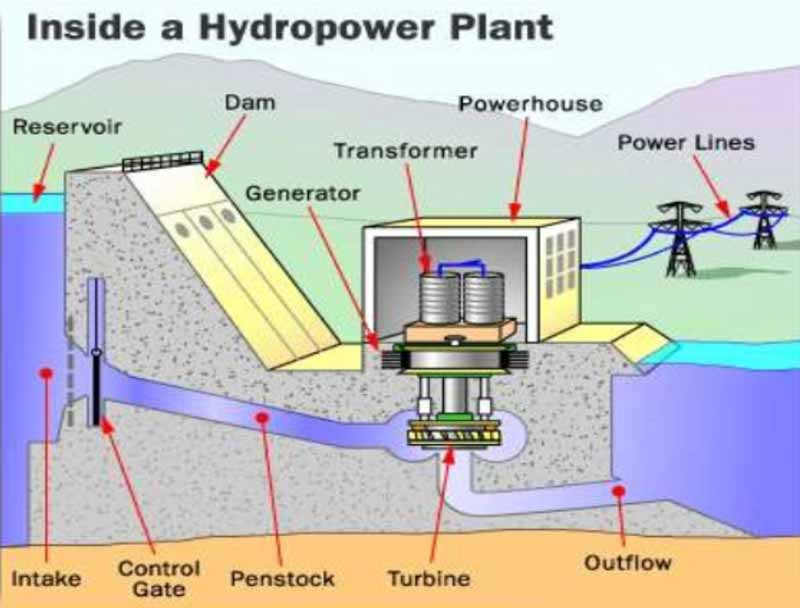
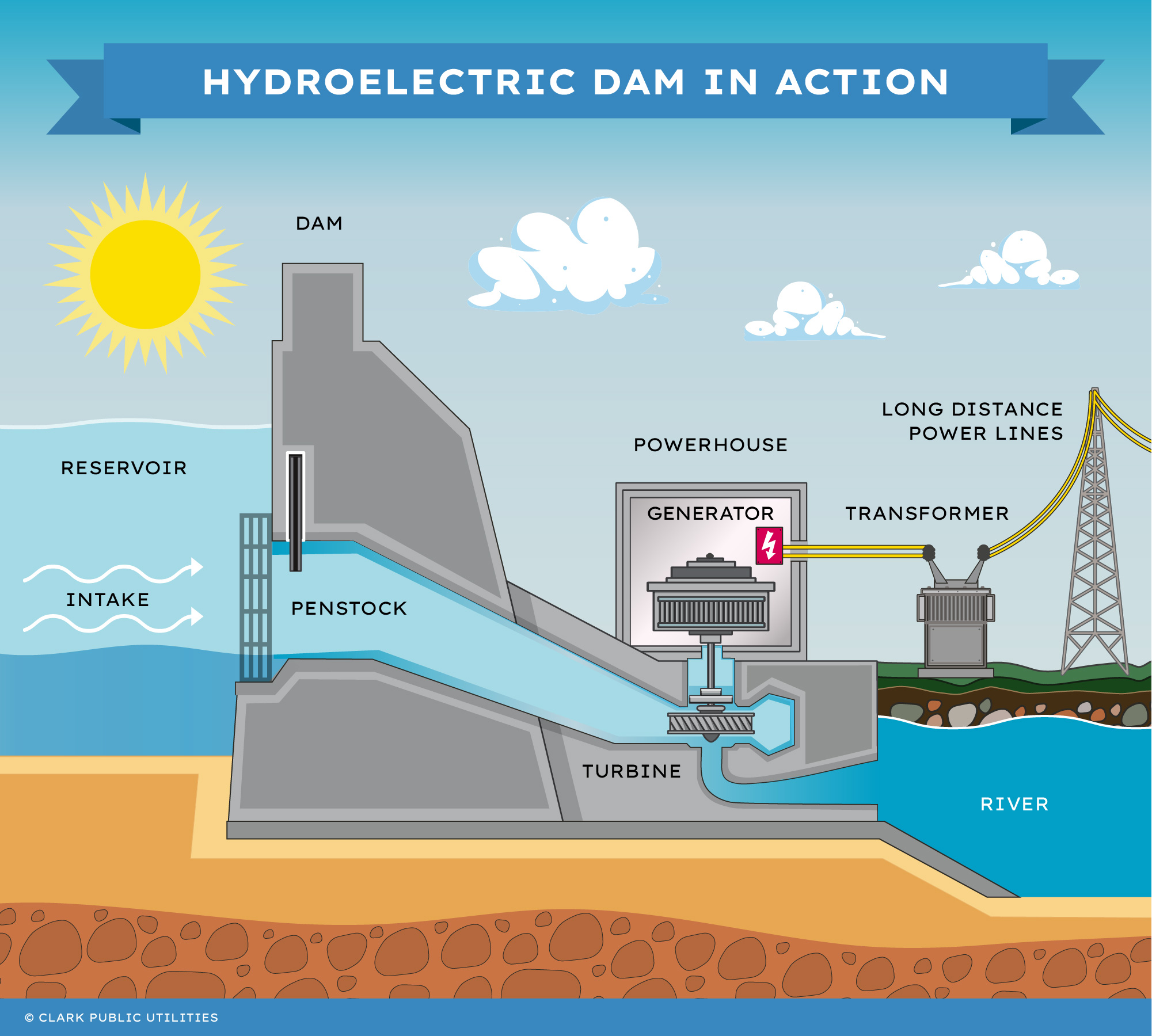
So, what exactly is hydroelectric power, and why should we care about how much it generates? Simply put, hydroelectric power, or hydropower, uses the energy of moving water to spin a turbine, which then generates electricity. Think of it like a giant water wheel, but instead of grinding grain, it's powering our modern lives. One of the key benefits is that it's a renewable energy source. As long as there's water flowing, we can potentially generate electricity without burning fossil fuels and releasing harmful emissions.
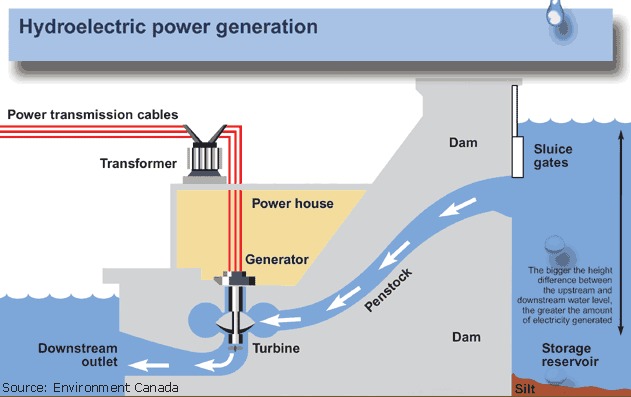
Now, for the big question: how much energy does hydroelectric power produce? It's a bit like asking how much a car can carry - it depends on the size and type! Similarly, the amount of electricity a hydroelectric power plant produces depends on factors like the size of the dam, the volume of water flow, and the height of the water drop (also known as the "head").
Must Read
Globally, hydroelectric power is a significant contributor to the energy mix. It's the largest source of renewable electricity, accounting for a substantial percentage of worldwide electricity generation. While the exact figures fluctuate year to year based on rainfall and other factors, it's consistently a major player. Think of huge dams like the Three Gorges Dam in China, which can generate an immense amount of power, enough to light up entire cities!
The beauty of hydropower lies in its scalability. While massive dams like the Three Gorges Dam grab headlines, there are also smaller "run-of-river" hydroelectric projects that harness the energy of smaller streams without significant damming. These smaller projects can be a great option for providing localized, clean energy to communities.
Of course, hydroelectric power isn't without its challenges. Building large dams can have environmental impacts, such as altering river ecosystems and displacing communities. However, ongoing research and technological advancements are focused on developing more sustainable and environmentally friendly hydropower solutions. These include designs that minimize environmental disruption and even help restore river habitats.
Ultimately, understanding how much energy hydroelectric power produces helps us appreciate its role in our energy landscape and its potential for a more sustainable future. It's a powerful (literally!) example of how we can harness the forces of nature to power our lives, and with ongoing innovation, it promises to remain a vital part of our energy mix for years to come.