
How Much Energy Does Hydroelectric Power Generate
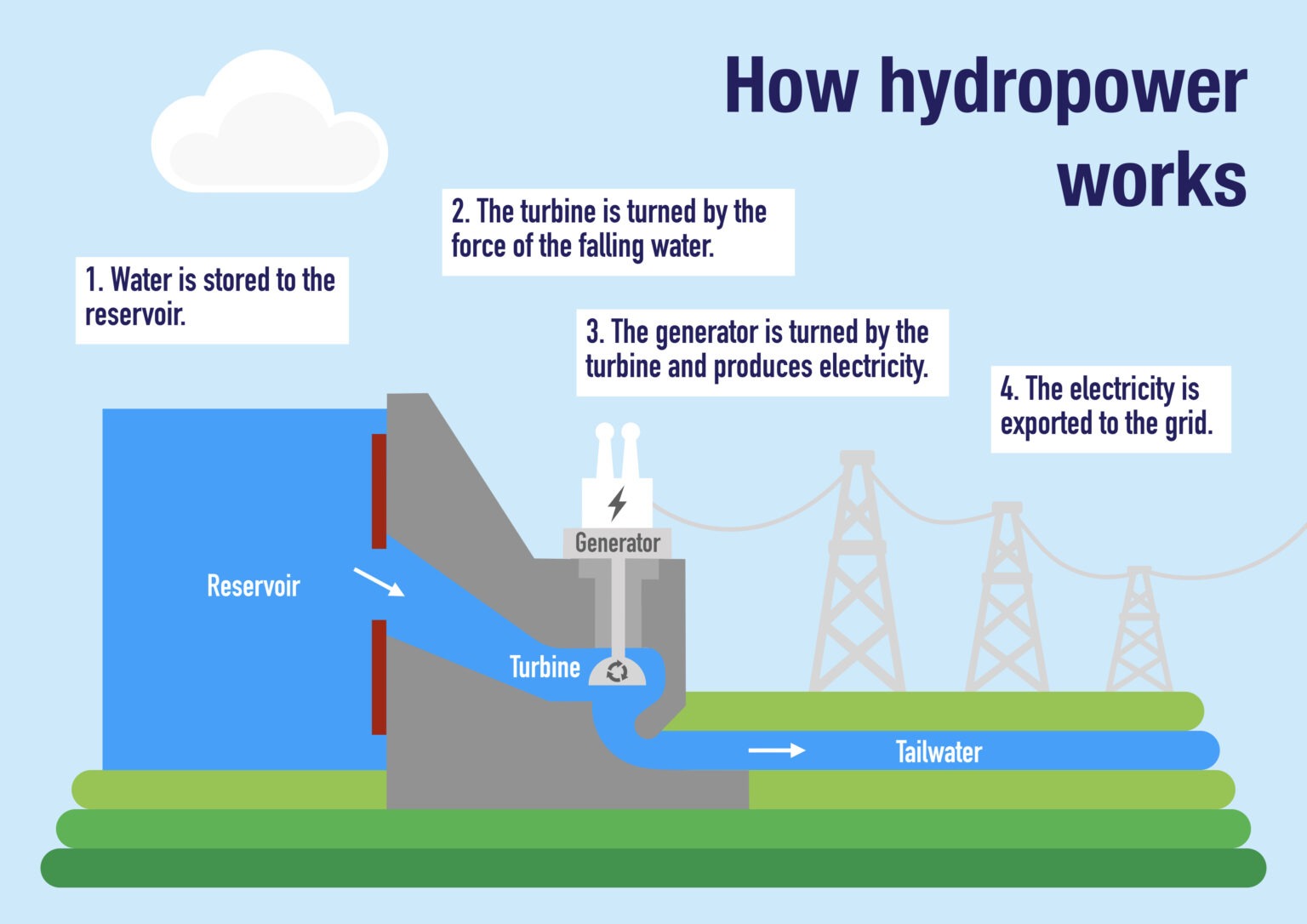
Hey there, energy enthusiasts! Ever stopped to think about where your electricity comes from? Sure, you flip a switch and BAM! Lights on! But behind that simple act lies a whole world of power generation. Today, let's dive into one of the coolest and oldest methods around: hydroelectric power! Get ready to be amazed!
So, how much energy are we actually talking about? Well, that's a question with a lot of 'it depends' sprinkled on top. But don't worry, we'll break it down into bite-sized pieces.
The Big Picture: Hydropower's Role Globally
Globally, hydroelectric power is a major player in the renewable energy game. You see, unlike burning fossil fuels, it uses the power of moving water—think rivers, dams, and even tides—to spin turbines that generate electricity. Pretty neat, right?
Must Read
Just imagine: the sheer force of a river, harnessed to light up homes, power factories, and keep our digital world humming. That's hydropower in action! In fact, it's one of the largest sources of renewable electricity worldwide. Talk about making a splash!
Now, before we get too carried away with our water metaphors, let's talk numbers. The amount of electricity generated by hydropower plants varies wildly depending on a bunch of factors, like the size of the dam, the amount of water flowing through it, and even the weather. (Yes, even the weather plays a role!)
Factors That Influence Hydropower Generation
Okay, let’s peek behind the curtain and see what makes hydropower tick.
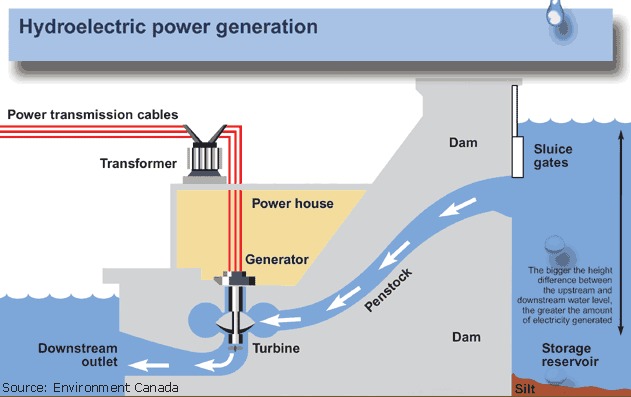
1. Size Matters: This might seem obvious, but the bigger the dam and reservoir, the more potential energy available. Think of it like a giant battery, storing water (and potential energy) until it's needed. A massive dam like the Three Gorges Dam in China, for example, generates a colossal amount of electricity. Seriously, it's huge! But smaller run-of-the-river projects can also make a significant contribution.
2. Water, Water Everywhere (But Not Always Enough): The amount of water flowing through the dam is crucial. A drought can seriously impact hydropower generation, leaving reservoirs depleted and turbines spinning slower than usual. That's why water management is so important for hydropower plants. They need to carefully balance electricity generation with other needs, like irrigation and navigation.
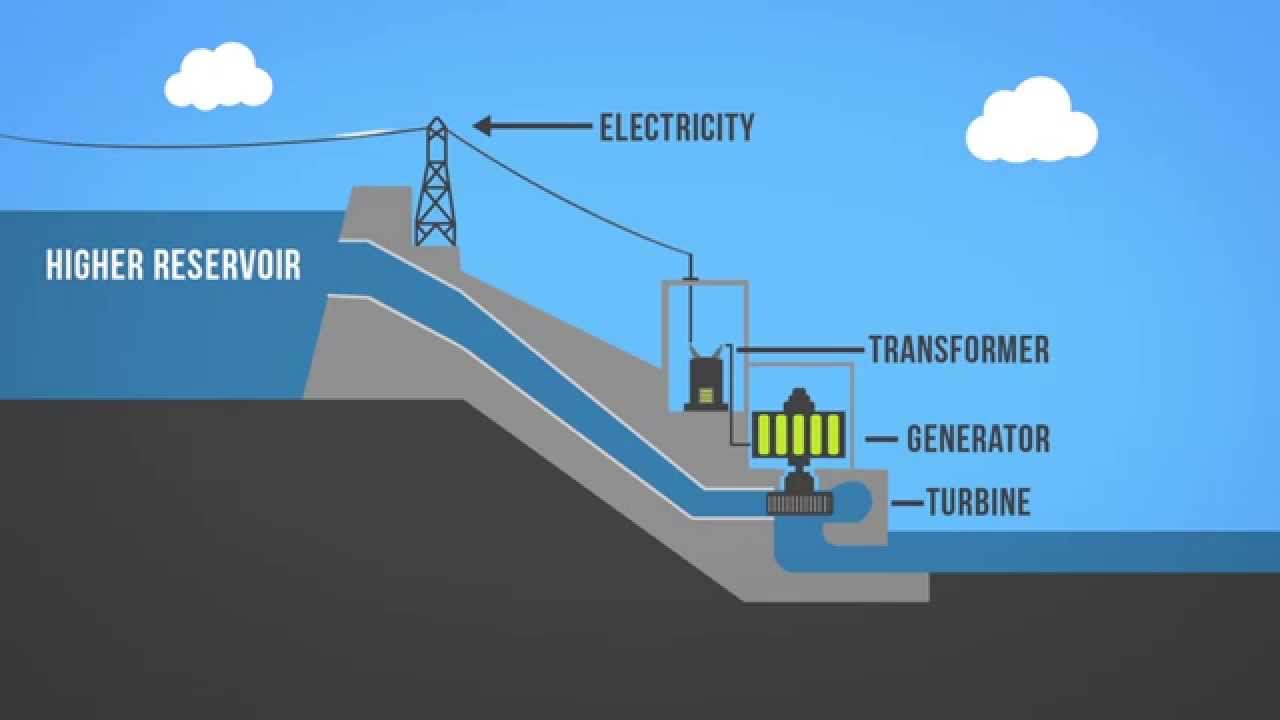
3. Head Start: In hydropower lingo, “head” refers to the height difference between the water level in the reservoir and the turbines. The higher the head, the more potential energy, and the more electricity that can be generated. It’s all about that gravitational pull!
4. Technology Triumphs: Advancements in turbine technology mean we can squeeze more electricity out of the same amount of water. Modern turbines are more efficient and can operate over a wider range of water flows, making hydropower more reliable and adaptable. Talk about a technological win-win!
So, What's the Bottom Line?
Alright, let's get down to brass tacks. How much juice are we talking about? Again, it varies. But let's look at some general figures. In 2022, hydropower accounted for roughly 15% of the world’s total electricity generation. That’s a hefty chunk of power coming from a renewable source! Pretty impressive, right?
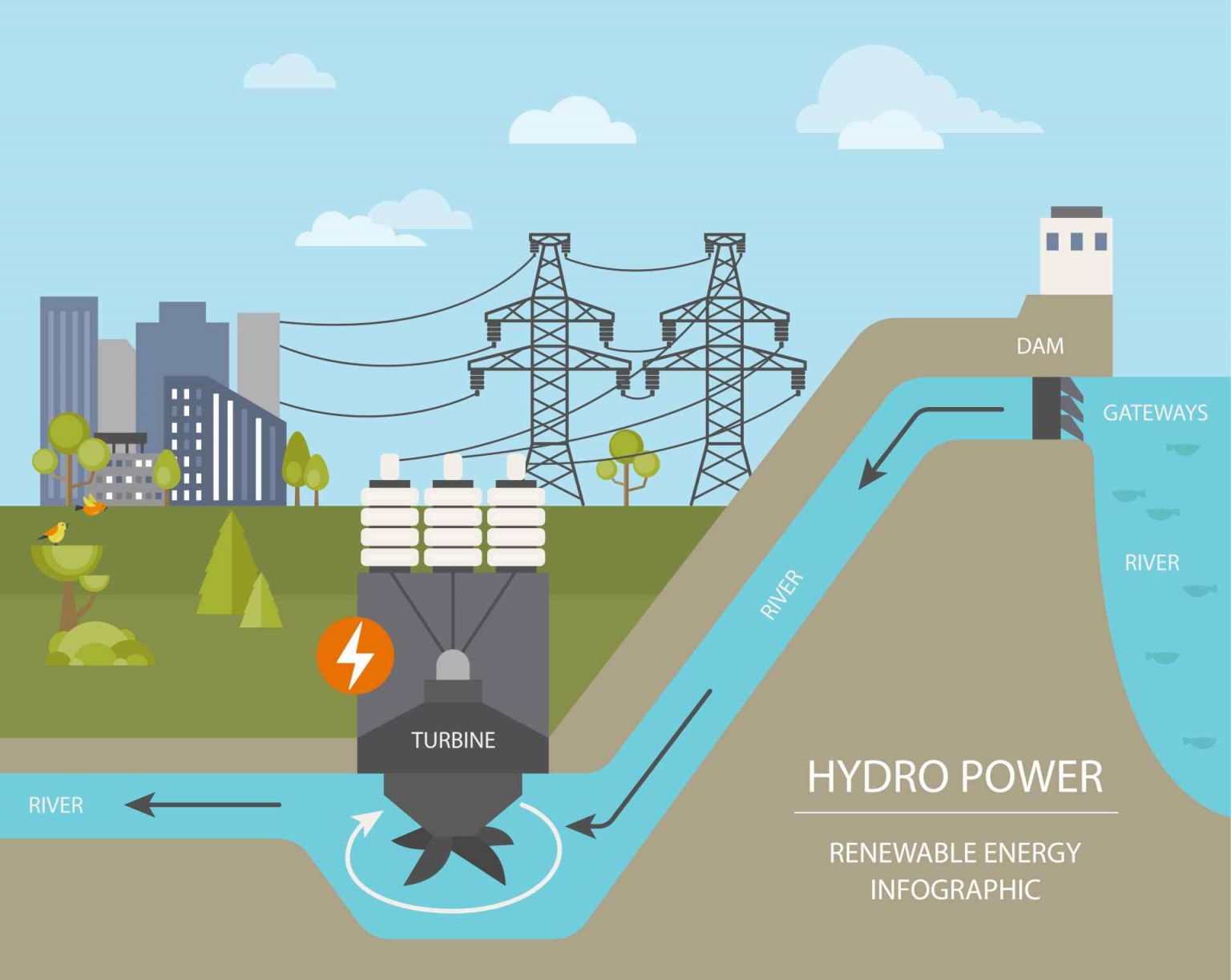
Think about it: all that clean, renewable energy, powered by the simple (but powerful) force of water. It's a pretty amazing feat of engineering and ingenuity. Plus, hydropower dams can also provide other benefits, like flood control, irrigation, and recreation. Who doesn't love a good lake for boating and fishing?
The Future is Fluid!
Hydropower isn't just a thing of the past. It's a vital part of our clean energy future. And guess what? There's even more innovation happening in the world of hydropower. We're exploring new technologies like pumped storage hydropower, which acts like a giant battery, storing excess energy during off-peak hours and releasing it when demand is high.
And get this: We’re even looking at ways to harness the power of ocean currents and tides! Imagine: the relentless power of the ocean, transformed into clean, renewable electricity. The possibilities are truly exciting!
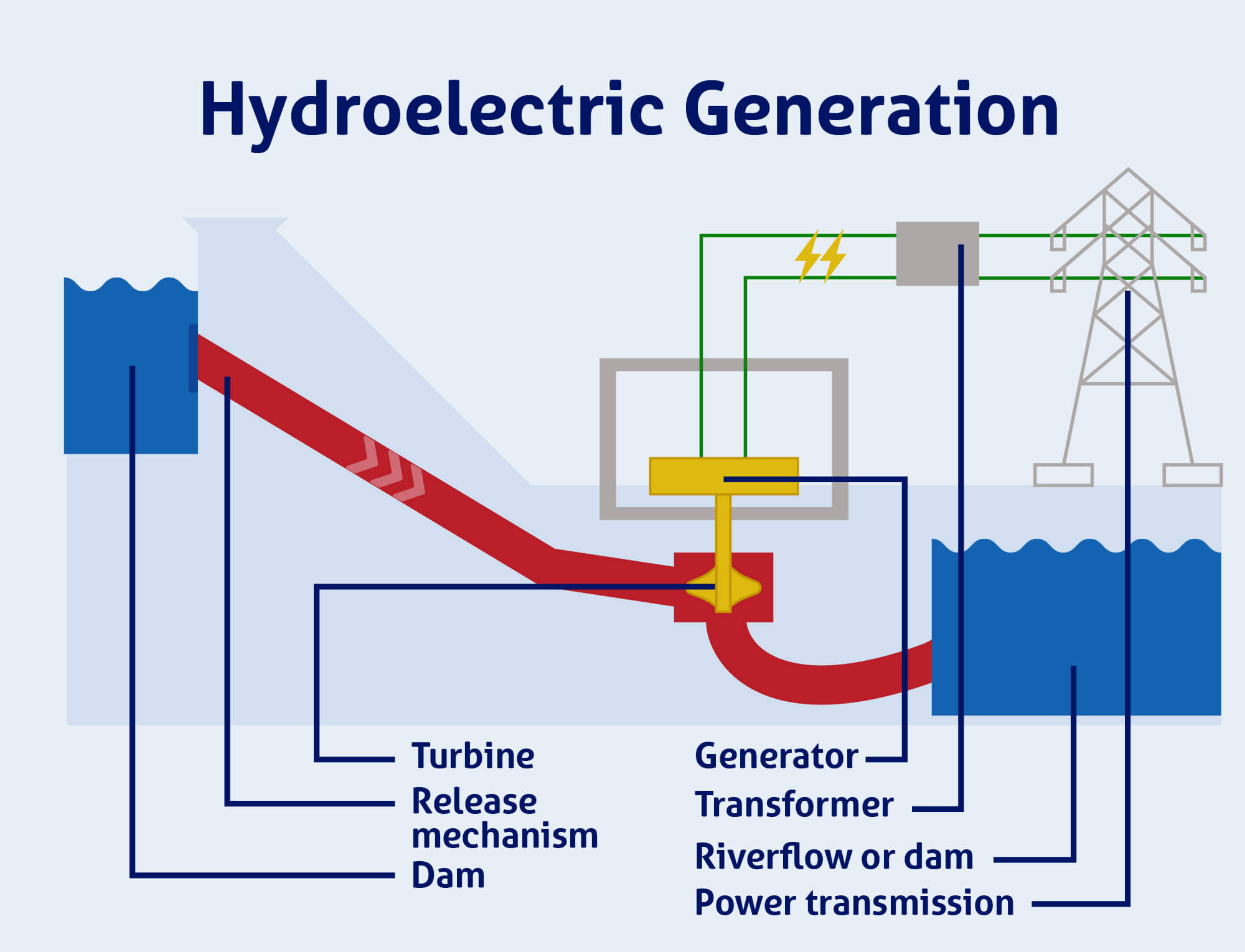
It’s a constantly evolving field, and that’s what makes it so compelling. As we strive for a cleaner, more sustainable future, hydropower will undoubtedly play a key role in powering our world.
So, there you have it: a whirlwind tour of the wonderful world of hydroelectric power! Hopefully, you've gained a newfound appreciation for the energy that flows from our rivers and dams.
Feeling inspired? Great! There's a whole ocean of information out there about hydropower and other renewable energy sources. Dive in, explore, and discover the power of knowledge! The future is bright, and with a little curiosity and effort, we can all be part of creating a cleaner, more sustainable world, one kilowatt-hour at a time.