
How Much Energy Does A Tv Use

Ah, the trusty television. For many of us, it’s the heart of the living room, a portal to endless stories, nail-biting sports, and the comfort of a familiar sitcom. Whether you’re unwinding after a long day with a captivating drama or settling in for a movie marathon, that glowing screen is a constant companion. But have you ever paused to think about what keeps that magic alive? We’re talking about its energy footprint. Let's pull back the curtain on how much juice your beloved box actually sips.
The Big Picture: Not All TVs Are Created Equal
Here’s the thing: there’s no single, universal answer to “how much energy does a TV use?” It’s a bit like asking how much fuel a car uses – it depends on the make, model, and how you drive it! The same goes for your TV.
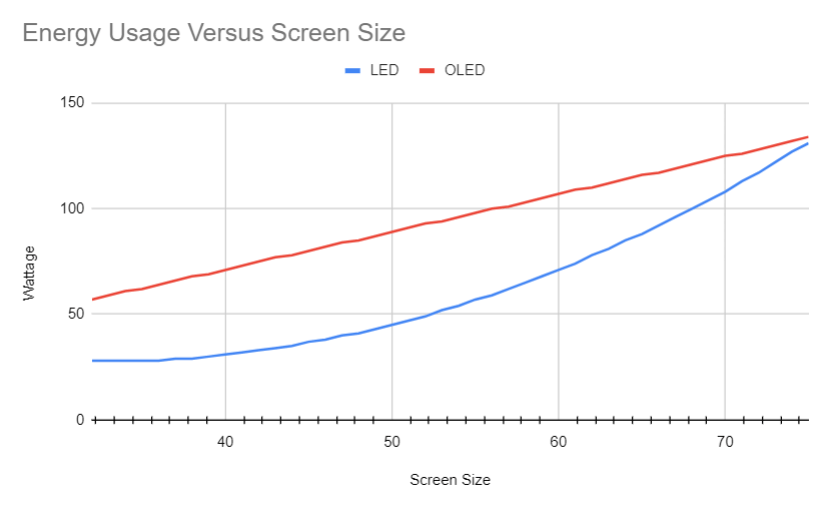
Generally, a modern LED/LCD TV (which most of us have) uses anywhere from 50 to 200 watts when it’s actively on, depending heavily on its size and display technology. To put that in perspective, a typical incandescent light bulb used to gobble up about 60-100 watts!
Must Read
Screen size is a major player. A sleek 32-inch model will inherently consume less power than a cinematic 75-inch behemoth. It's just more screen to light up!
Another factor is the display technology. Newer OLED and QLED TVs, while offering incredible picture quality, can sometimes be more power-hungry than standard LEDs, especially when displaying bright, vibrant scenes.

Modern Marvels vs. Blast from the Past
Good news for your energy bill: modern TVs are far more efficient than their predecessors. Remember those bulky CRT TVs from the 90s? They were power guzzlers! Flat-screen technology brought a significant leap in energy efficiency.
However, the trend for ever-larger screens means that even with improved efficiency, the overall energy consumption can still add up if you're upgrading from a 40-inch to an 80-inch set.
The Sneaky Energy Thief: Standby Mode
This is where things get interesting. Even when you hit the power button and your TV goes dark, it's often not truly "off." It's in standby mode, quietly waiting for your remote signal. This is often called "vampire drain" or "phantom load."
While a single TV in standby mode might only draw a few watts (think 0.5 to 3 watts), it's a constant drain. Over 24 hours, 7 days a week, those few watts become significant. If you have multiple devices in standby (gaming consoles, soundbars, streaming sticks), it can really add up. It’s like a tiny, invisible leak in your energy bucket!
Practical Magic: Tips for a Greener Gaze
Don't worry, you don't need to give up your Netflix binges to be energy-conscious! Here are some super easy adjustments:

1. Tweak Your Settings: Often, TVs come out of the box with super bright default settings. Head into your picture settings and reduce the brightness. You might be surprised how good the picture still looks, and it'll save energy. Many TVs also have "eco modes" or "power-saving modes" that automatically adjust settings for efficiency.
2. Unplug or Use a Smart Strip: For true zero consumption, physically unplug your TV when you're not using it for extended periods (like going on vacation). A simpler solution is a smart power strip. Plug your TV and all its peripherals (soundbar, console) into it. When the TV is turned off, the smart strip can cut power to the other devices, eliminating that pesky vampire drain.
3. Size Up Wisely: When buying a new TV, consider if you truly need the biggest screen available. A slightly smaller TV can often deliver a fantastic viewing experience with less power consumption.

4. Look for Energy Star: Always check for the Energy Star label. Products with this certification meet strict energy efficiency guidelines set by the EPA, meaning they use less energy and save you money in the long run.
The Ripple Effect
While the energy consumption of a single TV might seem like a drop in the ocean, it's the collective impact that matters. Think about how many TVs are on in homes across your neighborhood, your city, your country! By making small, mindful choices about our TV usage, we contribute to a larger effort to conserve energy and reduce our carbon footprint.
So, next time you're snuggled on the couch, lost in a captivating story on your screen, take a moment to appreciate the technology that brings it to life. A little awareness and a few simple tweaks can help you enjoy your entertainment guilt-free, knowing you're doing your bit for the planet, one episode at a time. It’s all about finding that sweet spot between relaxation and responsibility, making every watt count.