How Much Energy Does A Commercial Solar Panel Produce

Okay, let's talk solar panels. Specifically, those shiny rectangles staring back at you from rooftops and fields. We're all told they're saving the planet, and probably saving you a bundle on electricity. But how much oomph are they really packing? I’m about to say something controversial. Brace yourselves.
The Myth of the Mighty Panel
Most articles will tell you a typical commercial solar panel clocks in around 300 to 400 watts. Sounds impressive, right? Like a miniature power plant on your roof! But hold your horses. That's the peak output. Key word: peak.
Think of it like this: a car might be able to hit 150 mph. But how often are you actually driving that fast? Unless you're starring in the next Fast & Furious movie, probably never. Solar panels are the same. They only hit that top wattage under perfect conditions: direct sunlight, perfect angle, clean surface, and maybe a gentle breeze for good measure. In other words, a Tuesday in paradise.
Must Read
The reality? Most panels operate far below their maximum potential. We’re talking more like 15-25% of that "peak" rating on average. Sad, isn't it?
So, a 350-watt panel might actually only generate 50-87 watts on average, across the whole day. Suddenly, those dreams of energy independence start to feel a little... dimmer.
Sunlight Shenanigans
And don't even get me started on cloudy days. A cloud is basically a giant, floating solar panel blocker. It's like the sun is playing hide-and-seek, and your solar panels are always "it." Energy production plummets faster than a lead balloon on a rainy day. Shady trees, nearby buildings, even that pesky pigeon landing for a quick rest – all energy vampires!
Then there's the angle. Unless you're constantly adjusting your panels to perfectly face the sun (which, let's be honest, nobody is doing), you're losing efficiency. It's like trying to catch a baseball with your eyes closed – you might get lucky, but probably not.
The Panel Payout: Is it Worth It?
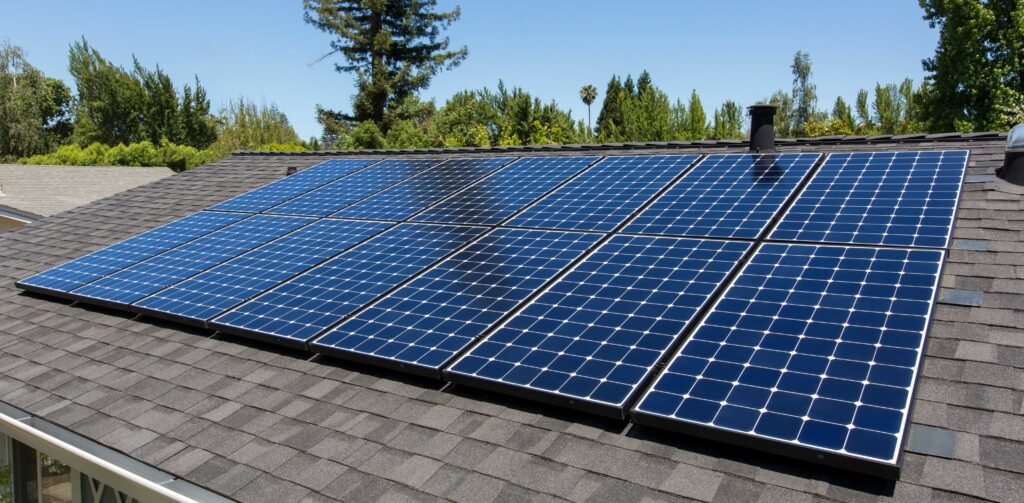
Here’s where I might lose some friends. The average American home uses around 900 kilowatt-hours (kWh) per month. To offset that with solar, you'd need a pretty hefty system. We're talking multiple panels, a good chunk of roof space, and a hefty initial investment. Now, you will recoup the cost over time, but let’s not forget that solar panels have a lifespan of around 25-30 years.
Plus, you often need a backup power source like the grid (which kinda defeats the purpose, doesn't it?). And those batteries to store excess energy? Another expense!
Look, I'm not saying solar panels are a scam. They're definitely a step in the right direction, and technology is improving all the time. Elon Musk, if you're reading this, keep up the good work! But let's be realistic about their output. Don't expect them to power your entire house with the energy of a thousand suns. Maybe more like... a few flickering light bulbs.
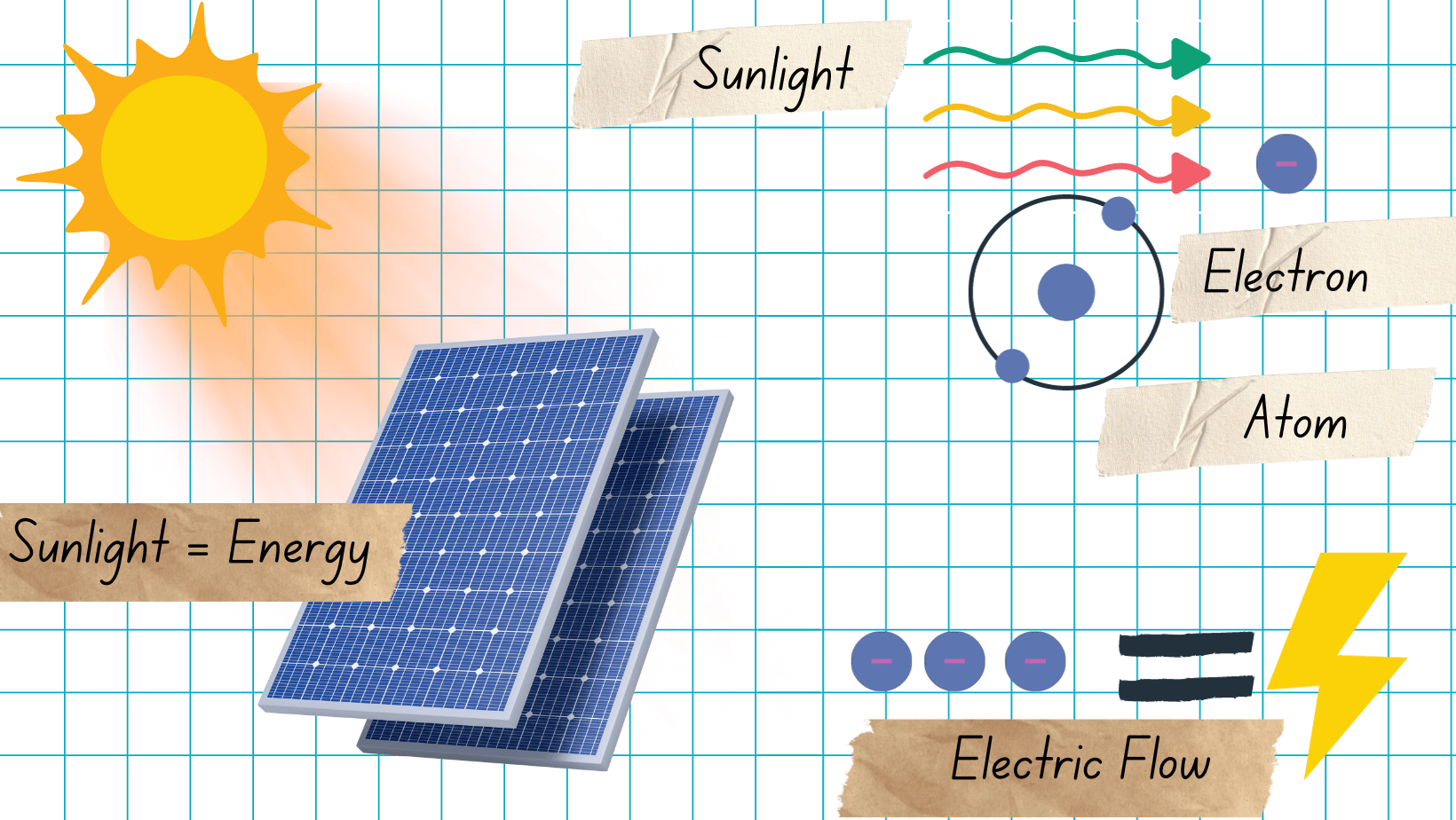
Ultimately, it boils down to this: solar panels are like a decent houseguest. They contribute, but they still need a little help from the main provider (the grid). And sometimes, they just take a nap when the sun's not shining. Okay? Okay.
"The sun, with all those planets revolving around it and dependent on it, can still ripen a bunch of grapes as if it had nothing else in the universe to do." - Galileo Galilei (probably didn't say this about solar panels, but still relevant).