
How Much Energy Can Coal Produce

Ever wonder about those big, dark lumps of coal? They might seem a bit old-fashioned, like something out of a history book, but they've actually played a pretty huge role in powering our world for ages. And even today, they're still a big deal for a lot of reasons, both good and... well, let's just say, complicated. But for now, let's focus on one truly mind-boggling question: how much oomph, how much pure energy, is actually packed inside that unassuming black rock?
It's like looking at a small seed and trying to imagine the giant tree it could become. Coal is a bit like that – tiny appearance, surprisingly mighty power. Let's dig in, shall we?
A Little Lump, A Lot of Liveliness
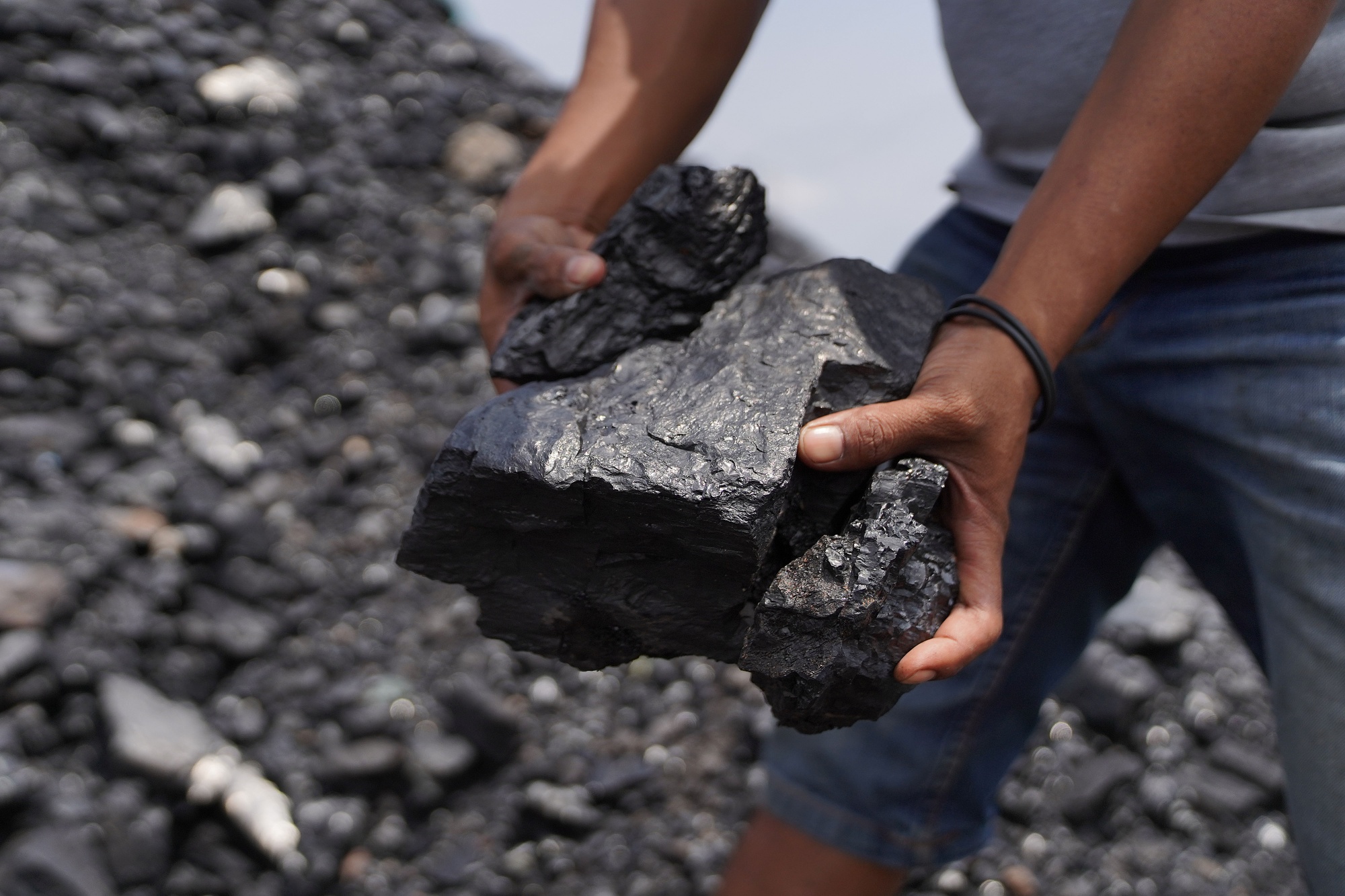
Imagine holding a single, fist-sized lump of coal. It's solid, a bit dusty, nothing too exciting. But don't let its humble appearance fool you! That small chunk is a genuine little energy vault. If you could burn that one lump perfectly (and safely, please don't try this at home!), you'd be looking at enough energy to do some pretty impressive things.
Must Read
Think about it: that one lump could likely boil your kettle several times over for your morning cuppa. Or, it could probably charge your smartphone not just once, but maybe
It's like finding out your tiny house plant actually contains the blueprint for a skyscraper. Small package, huge potential!
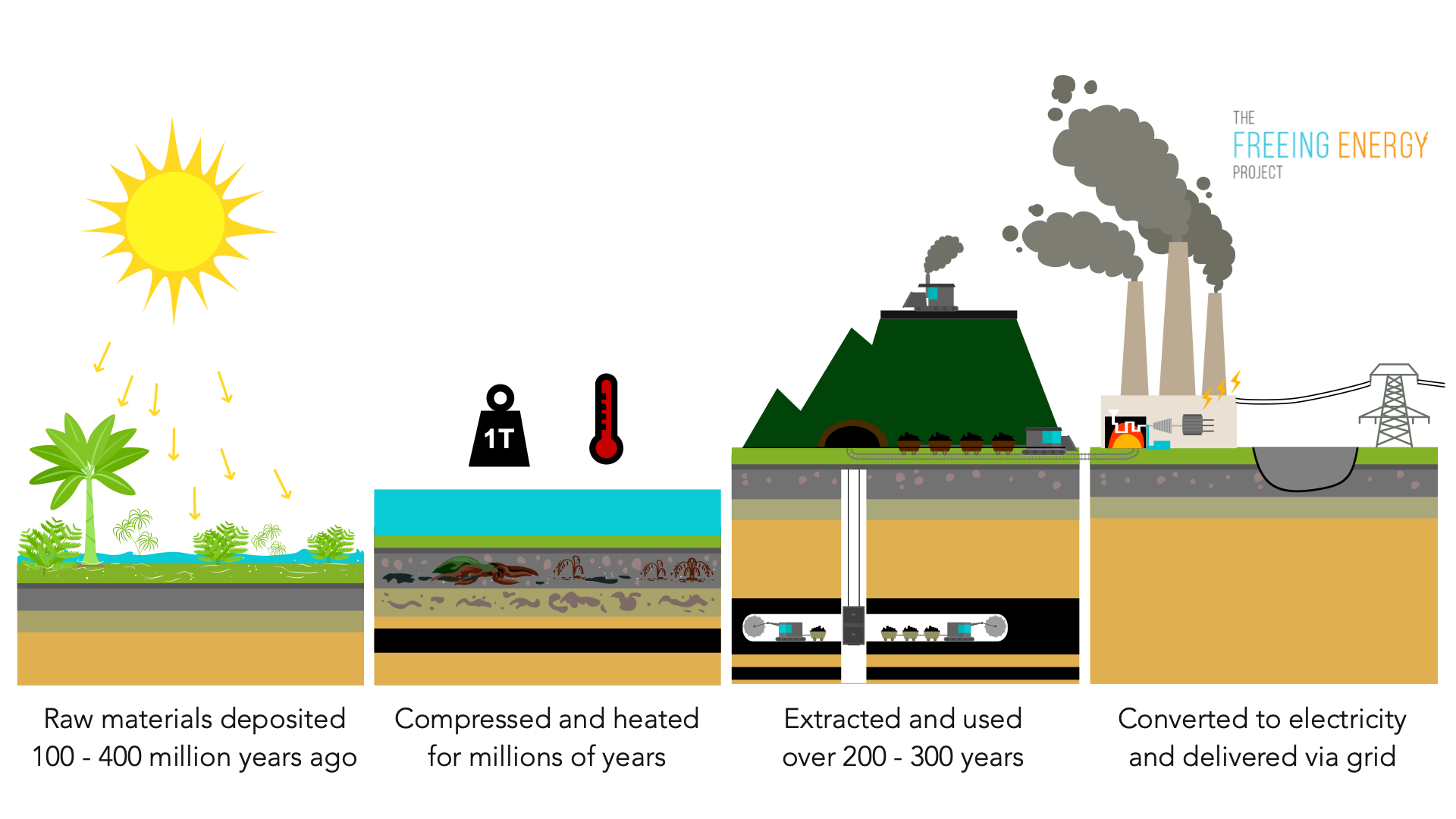
Scaling Up: From a Lump to a Ton
Okay, so a lump is cool. But what about when we scale up? Let's talk about a ton of coal. That's a serious amount, roughly the weight of a small car. Now we're getting into the big leagues of energy production.
A single ton of good quality coal, when burned efficiently in a power plant, can generate a staggering amount of electricity – we're talking thousands of
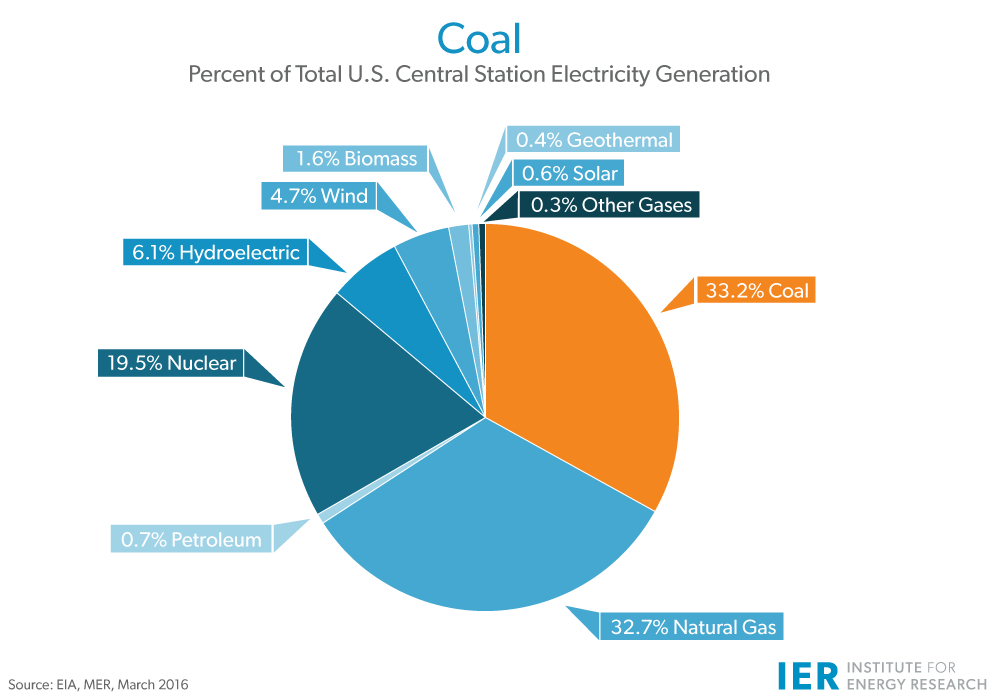
Imagine a family settling in for a serious Netflix marathon, lights on, fridge humming, maybe even the air conditioning blasting on a hot day. One ton of coal could keep that whole comfy scenario going for a very, very long time. It's like having a magical battery that just keeps giving.
The Big Picture: Powering Our Lives
Now, let's zoom out even further. Power plants don't run on a single lump or even a ton. They consume trainloads, even ship-loads, of coal every single day. We're talking about massive amounts of this ancient, stored sunshine being converted into the electricity that lights up our cities, runs our factories, and yes, powers that digital device you're reading this on right now.
The energy from coal is why you can take a hot shower in the morning, why your food stays cold in the fridge, and why your internet connection is (hopefully!) zippy. It’s been a foundational pillar of our modern, electrified world for centuries, fueling everything from industrial revolutions to your ability to order pizza online at 2 AM.

It's undeniable: coal packs a serious punch. It's a global energy workhorse, even as the world increasingly looks towards cleaner alternatives.
Why Should YOU Care? (Beyond Just Being Impressed)
So, you might be thinking, "That's cool, but why does this really matter to me?" Well, understanding just how much energy is packed into something as seemingly simple as a rock helps us appreciate the incredible engineering behind our power grid. It helps us see the connection between that dusty lump and the glowing screen in our hand.
Knowing this isn't just for science buffs or policy makers. It's about being a
Plus, it's a fantastic little tidbit to drop at your next BBQ. "Hey, did you know that one ton of coal could power your house for months?" Instant conversation starter, guaranteed!
Ultimately, whether you're a fan of coal or you're championing renewable energy (and many are, for very good reasons!), understanding its power potential is key. It helps us talk about energy in a more informed way, appreciate the luxury of flipping a switch, and thoughtfully consider the path forward for our planet. So, next time you flip that switch, give a little nod to the incredible energy story hiding in plain sight.