
How Much Energy Can A Hydroelectric Dam Produce

Hey, so we were talking about, like, saving the planet, right? And someone mentioned hydroelectric dams. Always makes me wonder... just how much juice can these things actually squeeze out?
Well, buckle up buttercup, because the answer isn't as simple as plugging your phone in! It's... complicated. (Isn't everything these days?). Think of it like this: making a truly epic smoothie. You need the right ingredients and a powerful blender.
First up: Water Volume. The more water you have crashing down, the more potential energy you’ve got. We're talking serious H2O here. Like, a whole lake's worth. Imagine trying to power your house with a garden hose. Yeah, not happening.
Must Read
Then there's the Head Height. No, not the size of your head (although having a big brain might help you understand all this!), we’re talking about how far the water falls. A tiny trickle isn't going to do much. You need a proper waterfall-style plunge to get those turbines spinning like crazy. Think Niagara Falls, not... well, a leaky faucet.
The Turbine is Important! It’s the blender in our smoothie analogy. A super-efficient, well-maintained turbine will convert more of that water energy into electricity. Cheap, clunky ones? Not so much. It's like trying to chop ice with a butter knife. Frustrating!
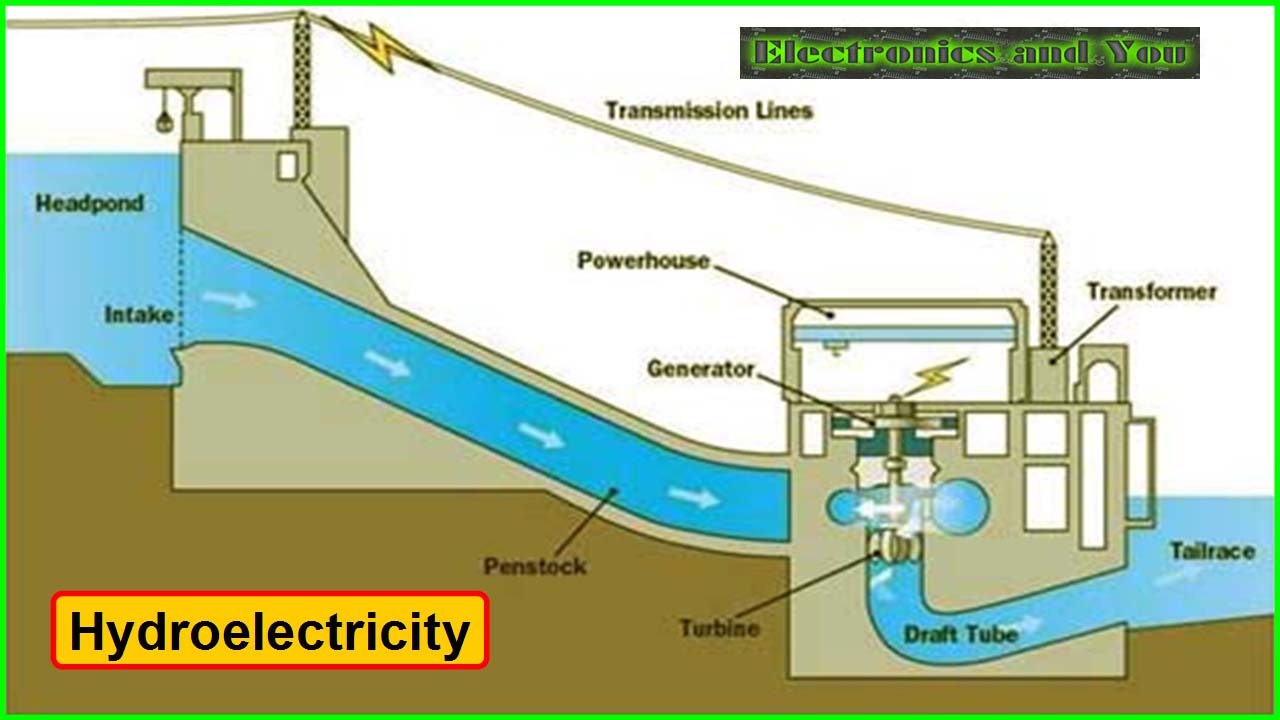
So, How Much Power Are We Talking? Okay, okay, I hear ya. Enough with the suspense! This is where things get interesting (and a little mind-boggling). We measure a dam's output in megawatts (MW). One megawatt can power, like, hundreds of homes. Seriously! Think of all the Netflix you could stream.
A smaller dam might produce just a few megawatts. That’s enough for a small town, maybe. But some of the big boys? We’re talking thousands of megawatts! The Three Gorges Dam in China, for example, can crank out over 22,000 MW. That's enough to power a small country, practically!
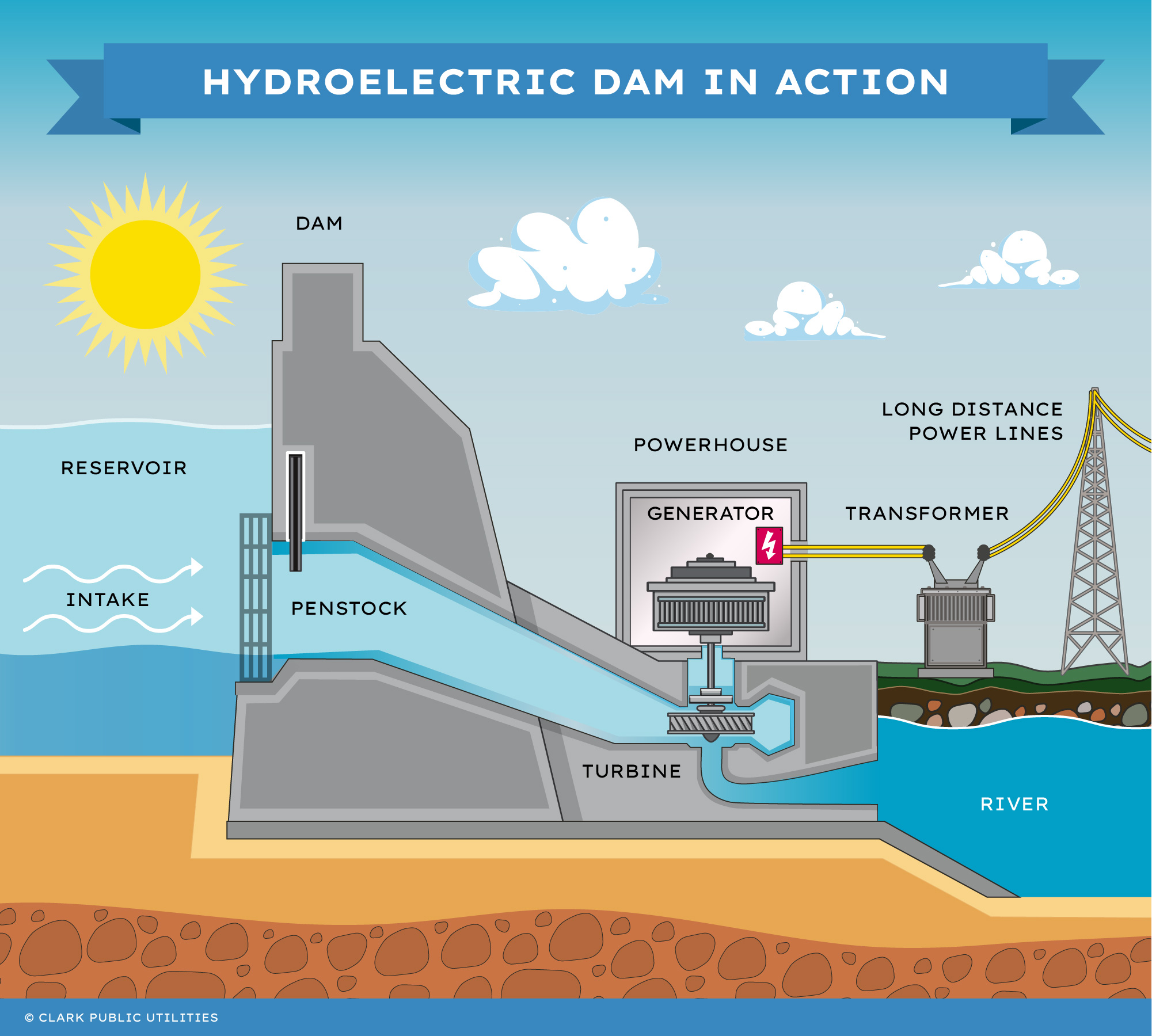
But hold on a second… (there's always a but, isn't there?) The actual amount of energy a dam produces varies. A lot. It depends on things like rainfall (duh!), seasonal changes (less snowmelt = less water), and even how much electricity people are using (demand!).
It's not like these dams are just running at full blast 24/7. They adjust their output to match the needs of the grid. Think of it like dimming the lights when you're not using them. Smart, right?
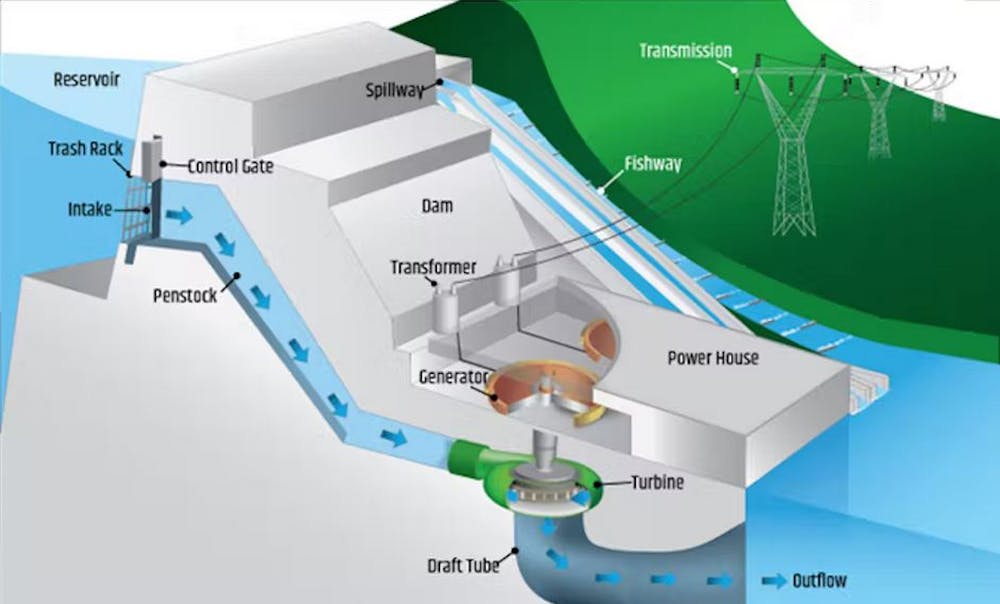
Are Hydroelectric Dams a Perfect Solution? Sadly, no. Nothing's perfect, is it? They have environmental impacts. Flooding land to create reservoirs can displace communities and disrupt ecosystems. Fish migrations can be blocked, and river flows altered. It's a tricky balance, figuring out the best way to get clean energy without causing other problems.
And building a dam? Forget about it. It’s a massive undertaking that costs billions (with a "b"!) and takes years, even decades, to complete. Not exactly a quick fix for our energy needs.
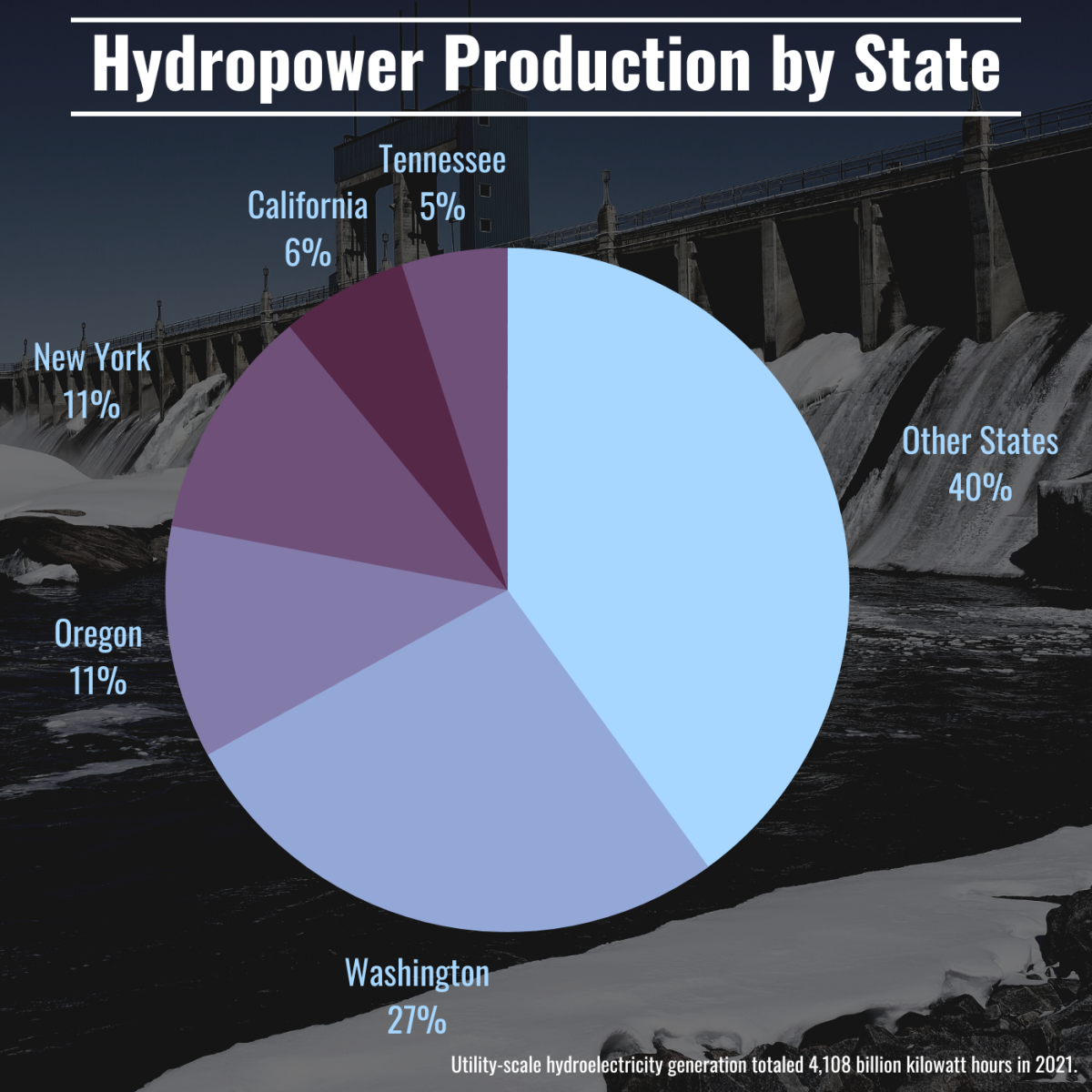
The Takeaway? Hydroelectric dams can produce a ton of energy, no question. They're a powerful (pun intended!) source of renewable electricity. But it's not a simple, one-size-fits-all solution. We need to consider the environmental impact, the cost, and the other options available. It's a complicated equation, for sure. But hey, at least we're talking about it, right?
So, next time you flip a light switch, maybe spare a thought for the mighty hydroelectric dam… and the poor fish trying to swim upstream!
And hey, want another cup of coffee? I think I need one after all that!