How Much Electricity Is Lost In Transmission

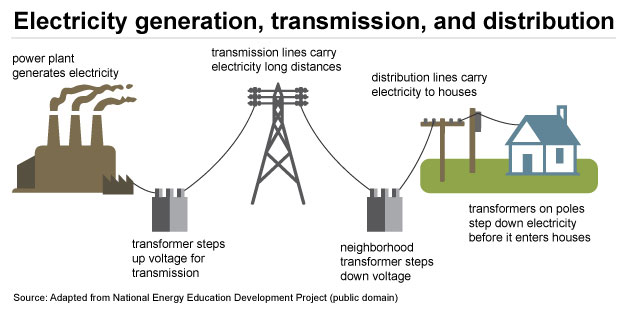
Ever wonder where all the electricity generated at power plants actually goes? We flick a switch, the lights come on, and we rarely think about the incredible journey that power took to get there. But what if I told you that a noticeable chunk of that electricity simply vanishes along the way? This “vanishing act” is called transmission loss, and understanding it is surprisingly fascinating – and relevant to everything from your electricity bill to the future of green energy.
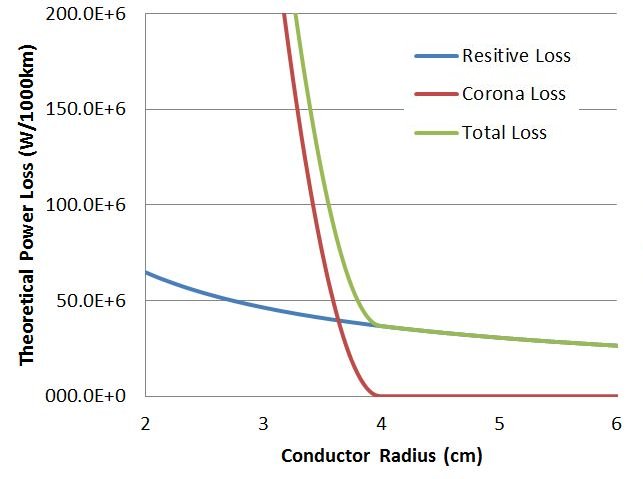
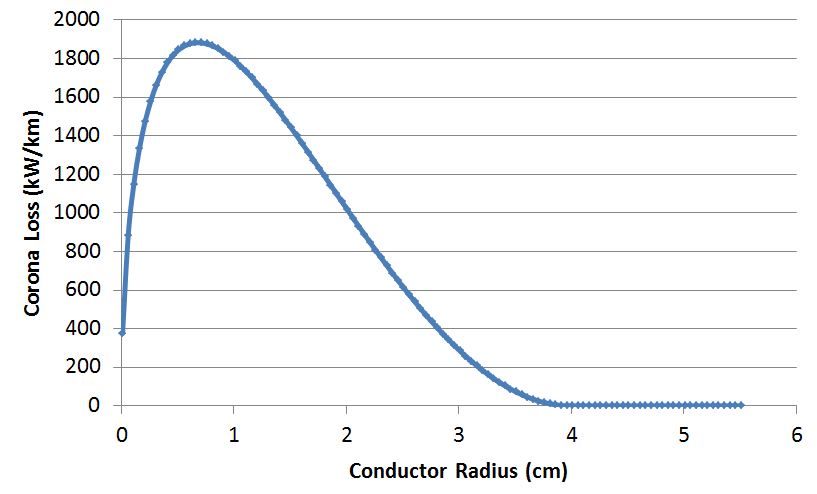
So, what exactly is transmission loss and why should we care? Simply put, it's the electricity that's lost as it travels across power lines from the generation source (like a solar farm or a nuclear plant) to your home or business. Think of it like water flowing through a pipe – some of it leaks out along the way due to friction. In the case of electricity, this leakage is primarily due to the resistance of the wires themselves. As electricity flows, some of it is converted into heat, which dissipates into the atmosphere. This heat is essentially wasted energy.
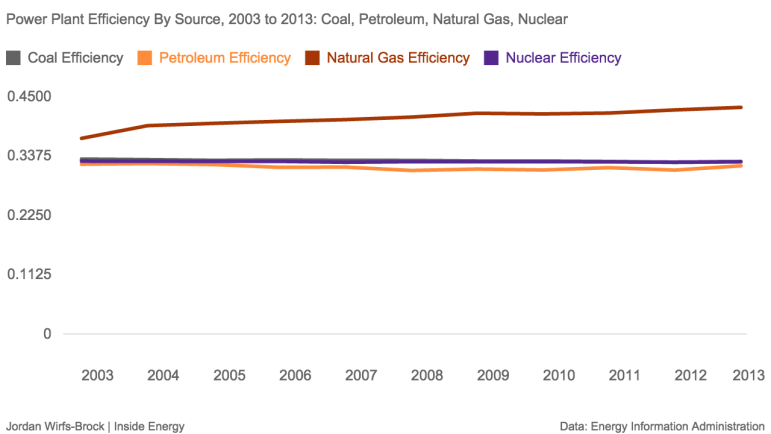
Why is this a big deal? Well, for starters, it impacts the efficiency of our entire power system. The more electricity we lose in transmission, the more we have to generate to meet demand. This means burning more fossil fuels (if that's the power source), building more renewable energy facilities, and ultimately, higher costs for everyone. Reducing transmission losses is therefore a key component in making our energy system more sustainable and affordable. Improving transmission also reduces the need for building even more power plants.
Must Read
The benefits of understanding transmission loss extend beyond just saving money and protecting the environment. In education, it's a fantastic way to illustrate concepts like resistance, energy transfer, and the importance of efficient infrastructure. Imagine a physics class designing different power line materials to minimize heat loss. In daily life, recognizing the impact of transmission loss can encourage us to be more conscious consumers of electricity. Are we turning off lights when we leave a room? Are our appliances energy-efficient?
So, how can you explore this fascinating topic further? There are plenty of resources available. Start by researching the types of materials used in power lines and their conductivity. Explore online simulations that demonstrate the effects of resistance on electrical circuits. Look into the investments being made in high-voltage direct current (HVDC) transmission, which is a technology designed to minimize losses over long distances. You can also simply observe the power lines near your home – knowing that a portion of the electricity they carry will never reach its intended destination adds a whole new layer of appreciation for the complex system that powers our modern world.
Finally, consider looking into the energy efficiency ratings of your own appliances. Even small reductions in your personal energy consumption can collectively contribute to a significant decrease in overall demand, lessening the strain on the grid and reducing the need to generate (and therefore transmit) so much electricity in the first place. Every little bit counts!