
How Much Electricity Is Generated By Renewables
Okay, Let's Talk Renewable Energy: Are We There Yet? (Spoiler: Not Quite!)
Renewable energy! It's the buzzword of the century. We hear about solar panels, wind turbines, and happy little hydroelectric dams all the time.
But how much electricity are we actually getting from these "green" sources? That's what we're diving into today.
The Big Picture: A Mixed Bag
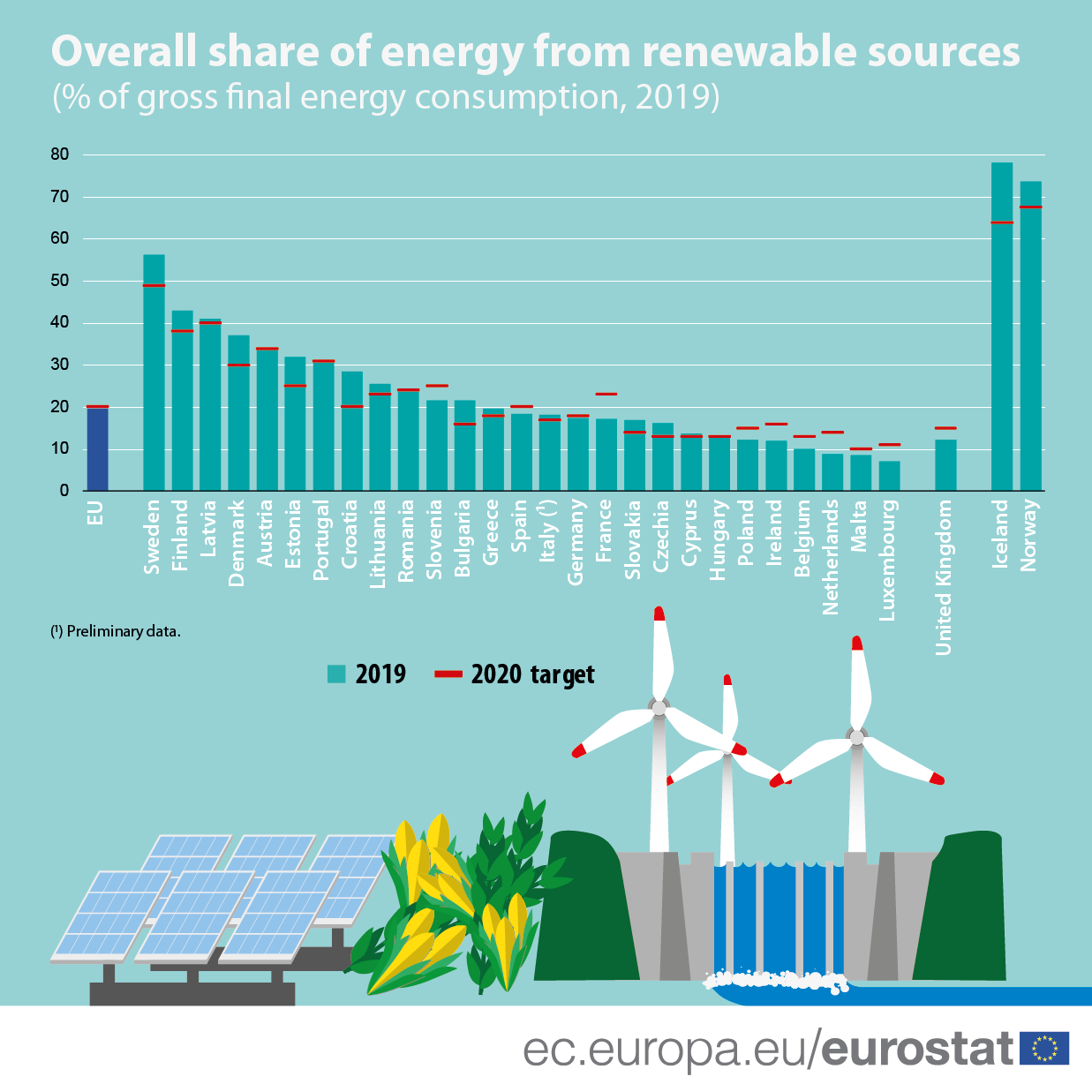
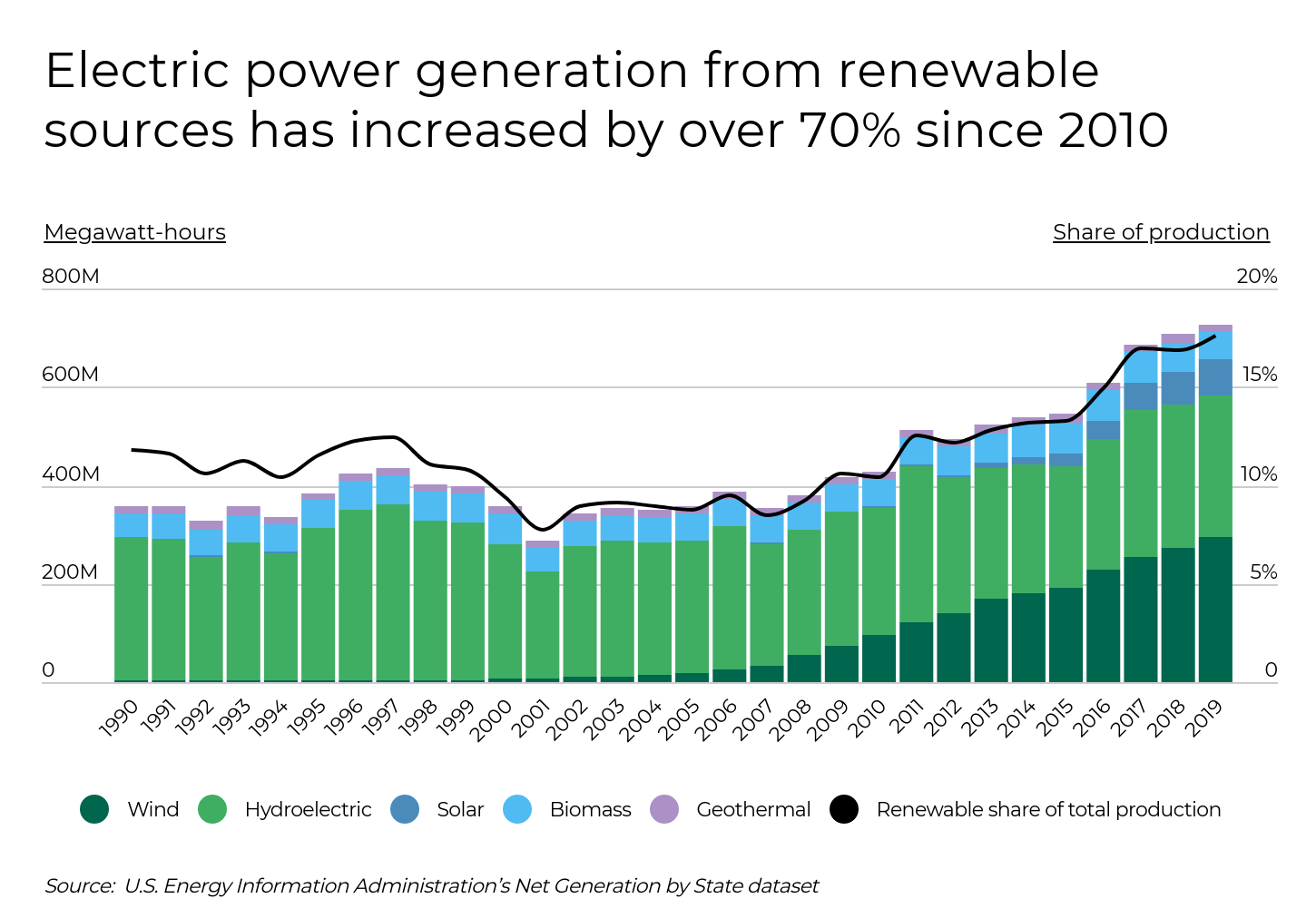
Globally, renewables are making progress. They're definitely not a tiny blip on the radar anymore, which is good.
Must Read
But let's be real, fossil fuels still dominate the energy landscape. They're like that annoying uncle who always shows up to the party, even though nobody invited him.
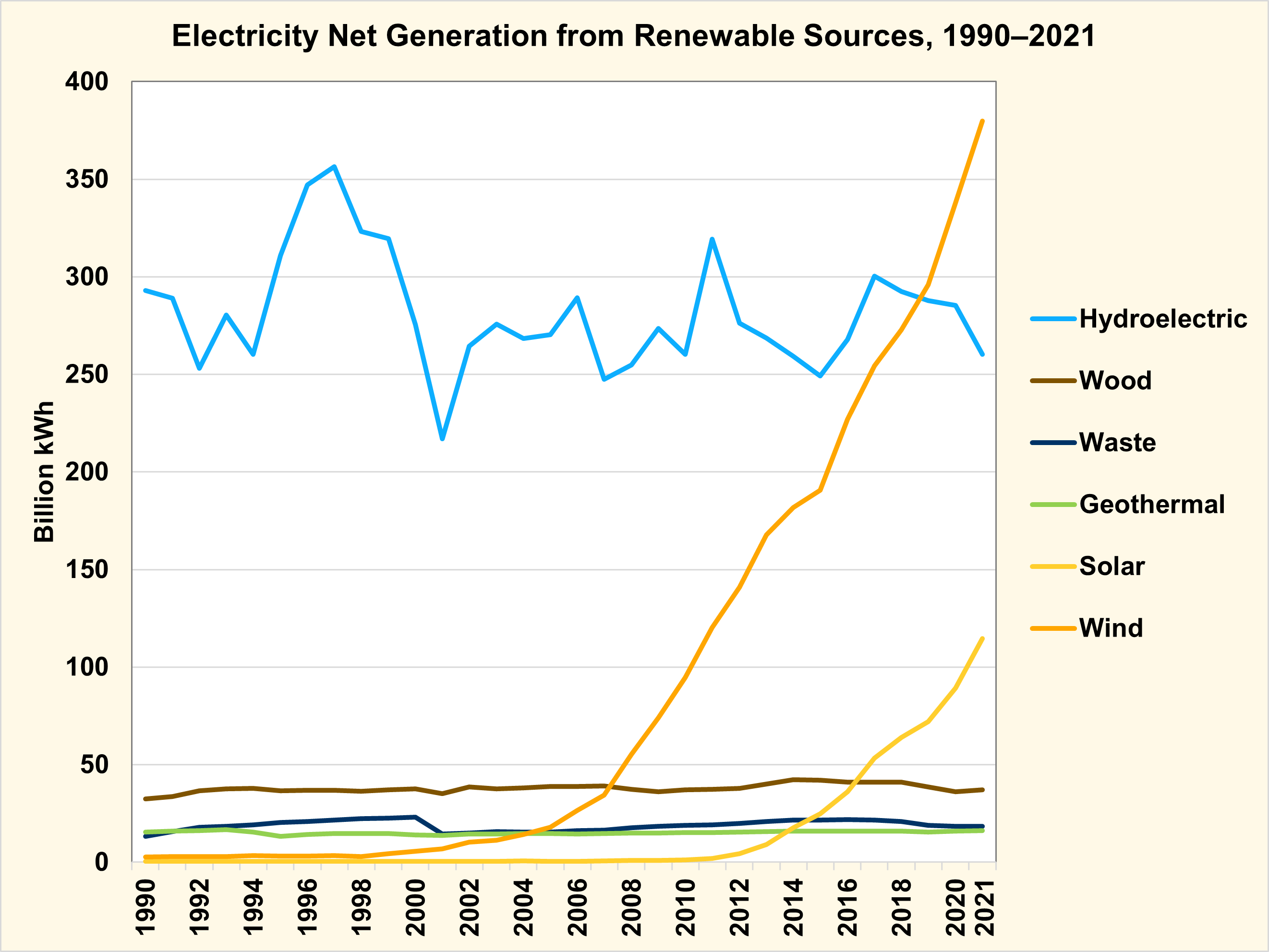
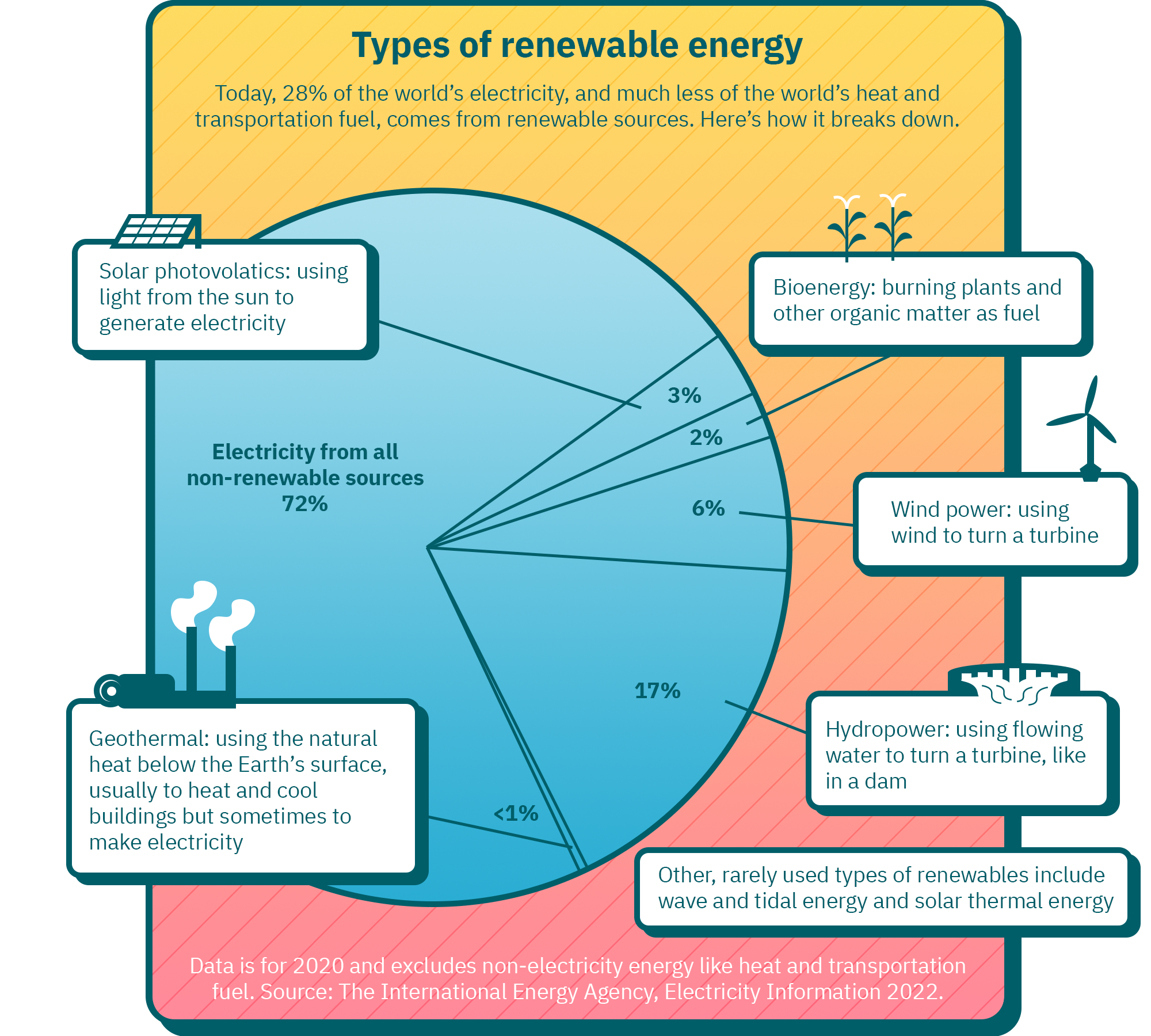
In 2023, renewables accounted for roughly 30% of global electricity generation. That sounds pretty good, right?
Well, keep in mind that 70% is still not renewable. Also, these numbers are a worldwide average.
Solar Power: Shining Bright, But Still a Toddler
Solar power is definitely the cool kid on the renewable energy block. Everyone loves the idea of harnessing the sun's rays.
The price of solar panels has plummeted in recent years. This is making solar a much more attractive option for homes and businesses.
However, solar's output is variable. Sunshine is only available during the day and it is also dependant on cloud cover.
Think of solar as a promising toddler. It's got potential, but it still needs a lot of nurturing before it can carry the team.
Wind Power: Blowing in the Right Direction (Sometimes)
Wind turbines are another renewable energy source with growing popularity. They're getting bigger, more efficient, and popping up all over the place.

Wind farms can generate significant amounts of electricity when the wind is blowing. And they definitely look cool (in a slightly sci-fi kind of way).
But, like solar, wind power suffers from intermittency. What happens when the wind stops blowing? We’re back to relying on fossil fuels.
Some people also find them to be eyesores or blame them for bird deaths, but I think most people would be willing to accept that if the wind was able to give us 100% clean power.
Think of wind power like a teenager. Sometimes it's energetic and productive, other times it's just... there.
Hydropower: The Old Reliable (With a Few Issues)
Hydropower has been around for a while. Dams use the force of water to spin turbines and generate electricity.
It's a reliable source of energy, as long as there's water flowing, and it can provide baseload power, which is the minimum amount of electricity needed at all times.
However, dams can have significant environmental impacts. They can disrupt fish migration, alter river ecosystems, and even displace communities.
So, while hydropower is a valuable resource, it's not without its drawbacks. It is like the senior citizen, who can be relied upon, but is stuck in old ways.
Geothermal and Biomass: The Underdogs
Geothermal energy taps into the Earth's internal heat. Biomass energy uses organic matter, like wood and crops, to generate electricity.
These sources have potential, but they're not as widely used as solar, wind, or hydro. They are not used as widely because they may only be applicable for particular geographical locations.
They're like the quiet underdogs, working hard but not getting as much attention. They might be the dark horse!
The Unpopular Opinion: We Need Everything
Here's where I might lose some of you. I don't think we can rely solely on renewables.
I know, I know! Blasphemy! But hear me out. Intermittency is a major issue. It is necessary that the intermittency issue be addressed for renewable energy to be a more reliable resource.
We need a mix of energy sources, including nuclear and, yes, even gasp fossil fuels, until we have reliable energy storage solutions.
I think we need to be realistic about the challenges of transitioning to 100% renewable energy. It's not going to happen overnight.
The Storage Solution
Battery technology is rapidly improving. Large-scale batteries can store excess energy generated by solar and wind farms.
This stored energy can then be released when the sun isn't shining or the wind isn't blowing. This helps to smooth out the intermittency issues.
Think of batteries as the energy buffer, the safety net. The storage of renewable energy can solve a lot of problem.
The Grid Needs an Upgrade
Our current electricity grid was not designed for renewables. It needs to be modernized and expanded to accommodate the flow of energy from distributed sources.
This requires significant investment in new transmission lines and smart grid technologies. It also requires cooperation between different regions and utilities.
It is like upgrading the internet.
What About Efficiency?
Before we get too carried away with generating more energy, we need to focus on using less. Energy efficiency is the low-hanging fruit of the energy transition.
Simple things like switching to LED light bulbs, insulating our homes, and driving more fuel-efficient cars can make a big difference. In addition, avoid wasting electricity!
It is like making sure your house doesn't have any holes.
The Future is Bright (Maybe!)
The future of renewable energy is promising. Technology is improving, costs are coming down, and public awareness is growing.
But we need to be realistic about the challenges and avoid getting caught up in hype. It is important to take a closer look at things.
It will take time, effort, and a willingness to embrace a mix of solutions to build a truly sustainable energy future.
So, next time you hear someone talking about renewable energy, remember that it's a complex issue with no easy answers. But let's stay positive and keep working towards a cleaner, greener future!
That's my unpopular (maybe not so unpopular) opinion. What do you think?
Key Takeaways
Renewables are growing, but still behind fossil fuels.
Solar and wind are promising but intermittent.
Hydropower is reliable but has environmental impacts.
Storage and grid upgrades are crucial.
Efficiency is the low-hanging fruit.