
How Much Electricity Is Generated By A Wind Turbine
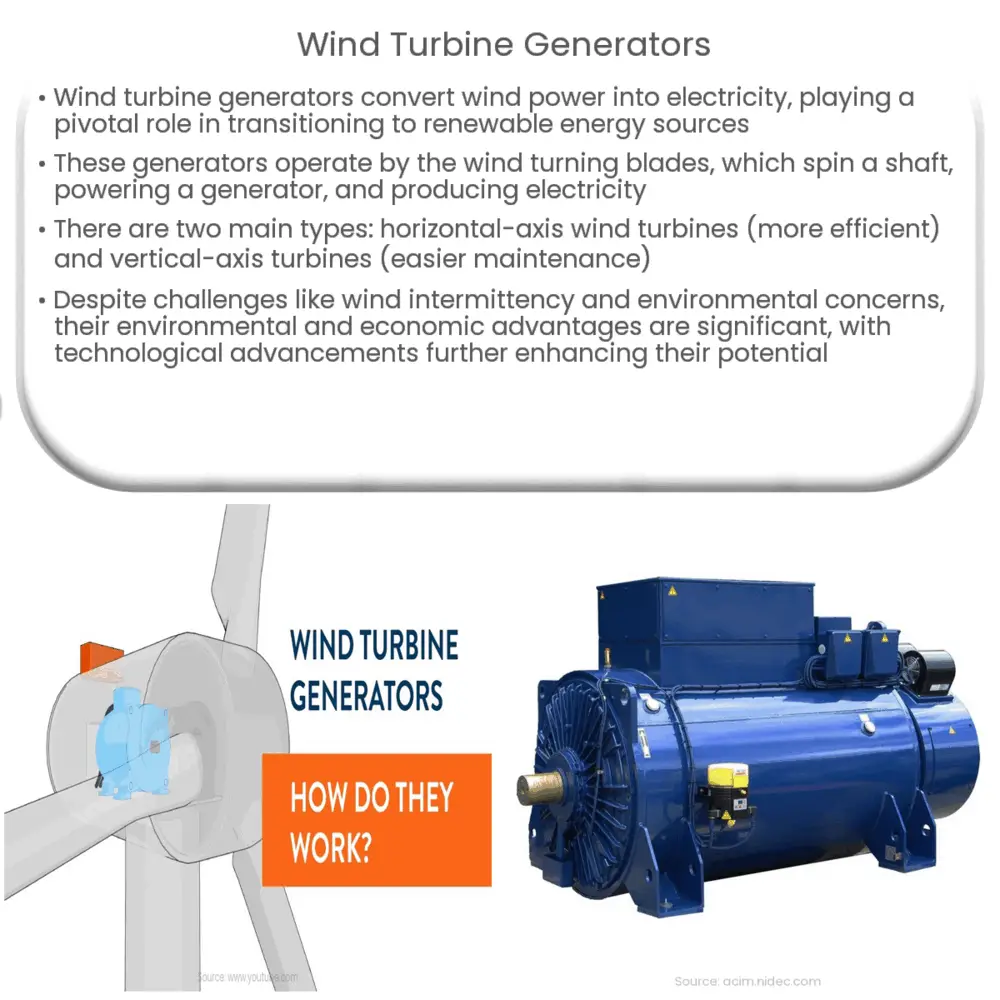
So, you're curious about wind turbines, huh? Those giant spinning things that dot the landscape? We've all seen them. The question is: how much juice do they actually make?
Let's dive in. But be warned, I have some opinions. And some of them might be considered, well, unpopular.
The Official Answer (Yawn)
Alright, the boring answer first. You'll usually hear something like, "A typical wind turbine can generate enough electricity to power hundreds of homes!"
Must Read
Sounds impressive, right? But what does that even mean? What kind of homes are we talking about? Tiny apartments or sprawling mansions with heated pools?
Kilowatts, Megawatts, Oh My!
The official measurement is usually in kilowatts (kW) or megawatts (MW). One megawatt is equal to 1,000 kilowatts.
A single modern wind turbine can have a capacity of anywhere from 2 MW to 5 MW or even more. Capacity is a theoretical maximum. Like saying your car can go 150 mph. But probably shouldn't.
So, on paper, a 3 MW turbine sounds amazing! Enough to power, like, a whole town!
The Reality Check (Wake Up!)
Here's where my unpopular opinion comes in: That "powers hundreds of homes" claim is a bit... optimistic.
Think about it. Wind doesn't blow all the time. Sometimes it's a gentle breeze. Other times it's a raging gale. Most of the time it's somewhere in between.
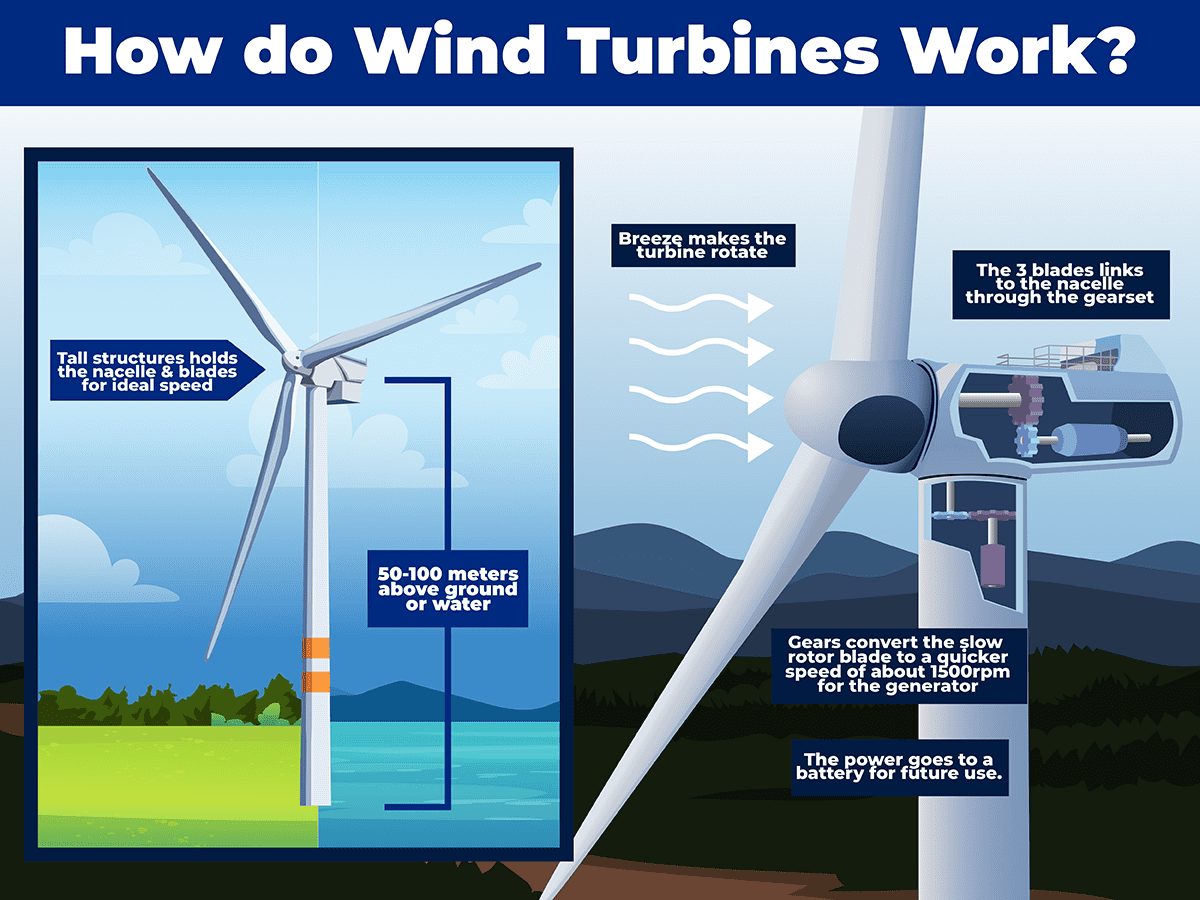
Wind turbines don't generate their maximum capacity all the time. They have something called a capacity factor. This is the actual amount of energy they produce compared to their theoretical maximum.
Capacity Factor: The Buzzkill
The capacity factor for wind turbines is usually around 30-50%. This means a 3 MW turbine might only actually produce the equivalent of 1 MW to 1.5 MW on average.
Suddenly, that "powers hundreds of homes" claim seems a little less certain, doesn't it?
Consider location, location, location. A turbine in a consistently windy area will obviously produce more than one stuck on a relatively wind-less hill.
Homes, Sweet Homes (How Many Really?)
Okay, let's try to figure out how many homes a single turbine actually powers. This is where things get even more complicated.
Household energy consumption varies wildly. A tiny apartment in the city uses far less electricity than a sprawling suburban house with all the latest gadgets.
Let's say, for argument's sake, that the average home uses about 10,000 kilowatt-hours (kWh) per year. That's a rough estimate, of course.
Doing the Math (Ugh, Numbers)
A 3 MW turbine with a 40% capacity factor would produce roughly 10,512,000 kWh per year. (3 MW * 24 hours/day * 365 days/year * 0.40 capacity factor = a lot of kWh!)
Divide that by our estimated 10,000 kWh per home, and you get around 1,051 homes. Not bad! But still, this is ideal conditions.
However, do remember that not all of that electricity makes it directly to homes. There is energy loss during transmission.
The Unpopular Opinion (Brace Yourselves)
Here it is. My controversial take. The "hundreds of homes" claim is a marketing ploy. It's technically true, but it's designed to make wind power seem more impressive than it sometimes is.
Wind power is good! It's a renewable energy source that helps reduce our reliance on fossil fuels. We need wind power.

But let's be honest about its limitations. Let's not oversell it with misleading statistics.
Storage is Key (The Real Solution)
The biggest problem with wind power isn't necessarily the amount of energy it produces. It's the intermittency. The fact that it's not always available when we need it.
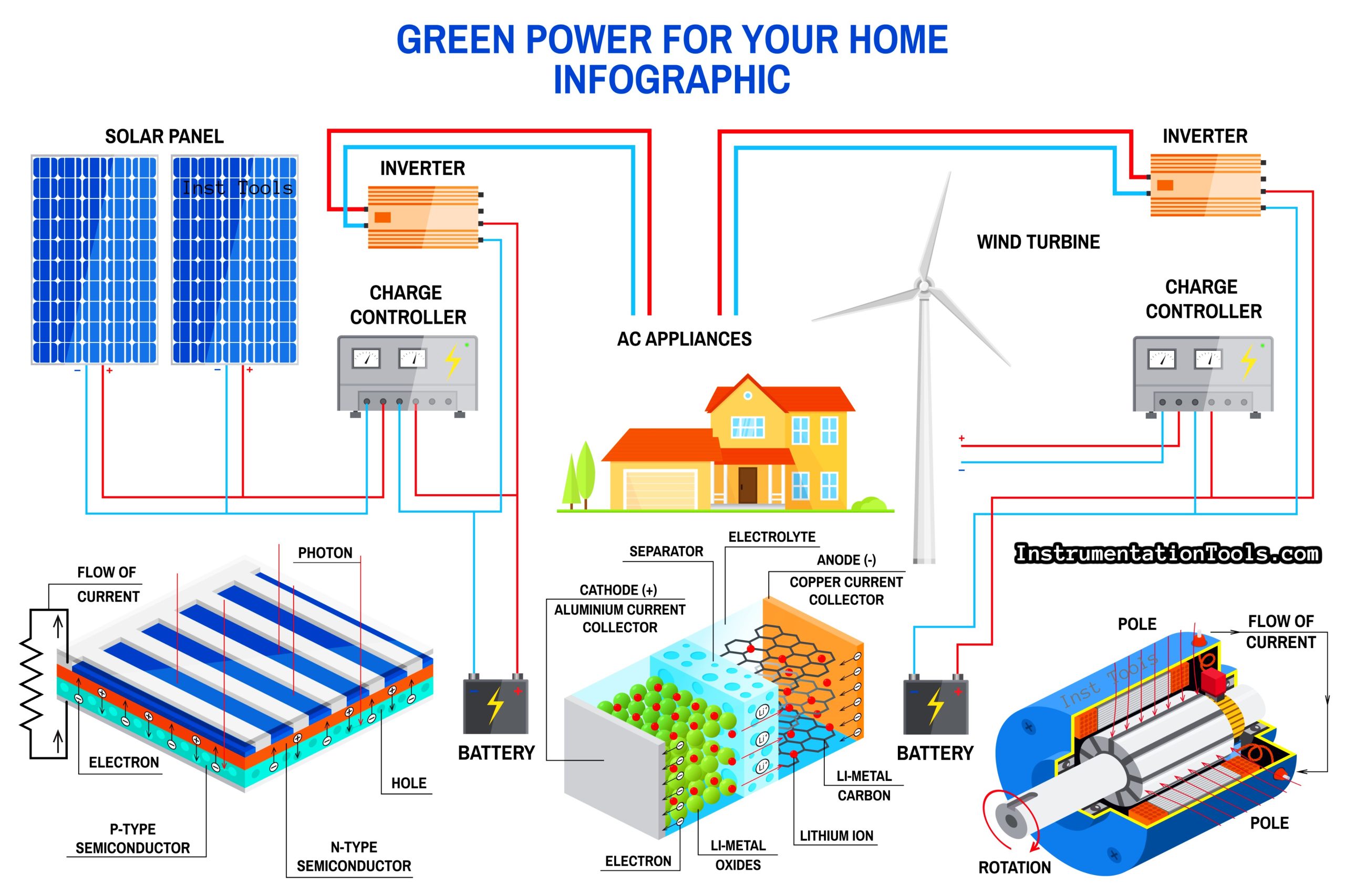
That's why energy storage is so important. Batteries, pumped hydro, and other storage technologies can help smooth out the fluctuations in wind power output.
Think of it like this. You can gather all the fruit you want from a tree, but it is no good if you can't store some fruit away for winter.
Beyond the Numbers (The Big Picture)
Ultimately, the amount of electricity generated by a wind turbine is just one piece of the puzzle. We need a diverse mix of energy sources to meet our needs. Solar, nuclear, hydro, and yes, even fossil fuels (for now).
Wind power is an important part of that mix. But it's not a magic bullet.
Let's have honest conversations about the pros and cons of all energy sources. And let's invest in the technologies that will help us build a cleaner, more sustainable future.
The Future is Now? (Maybe)
Wind power is constantly evolving. Turbines are getting bigger, more efficient, and more reliable.
Offshore wind farms are becoming increasingly common, and they can generate significantly more electricity than onshore farms.
So, while the "hundreds of homes" claim might be a bit of a stretch today, it might become more accurate in the future. Maybe.
My Final Thought (Mic Drop)
Don't just blindly accept the official numbers. Do your own research. Think critically. And don't be afraid to question the status quo.
Oh, and support renewable energy! But do it with your eyes open.
Because a well informed, slightly cynical populace is the best way to improve our future.