
How Much Electricity Does The Average House Use
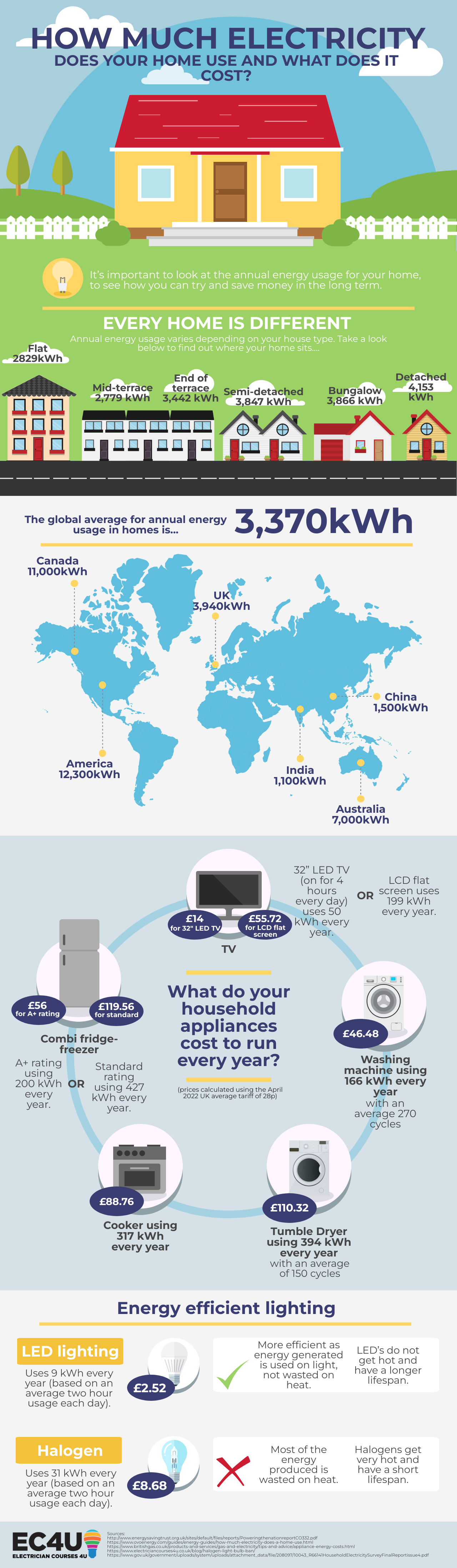
Ever wonder if your house is a bigger electricity hog than your neighbor's? We all secretly do, right? It’s like comparing grocery bills – a bit embarrassing, a touch competitive, and always leaves you wondering if you're doing something horribly wrong. So, let's dive into the electrifying world of household energy consumption and find out how much juice the average home really uses.
The Big Picture: Kilowatt Hours & You
Alright, let's ditch the technical jargon as much as possible. Electricity is measured in kilowatt-hours (kWh). Think of a kilowatt-hour as the amount of energy it takes to run a 1,000-watt appliance for an hour. A microwave might be 1,000 watts, so running it for an hour equals one kWh. A lightbulb might be 60 watts – so it takes a lot longer to burn through a kWh with just that little guy.
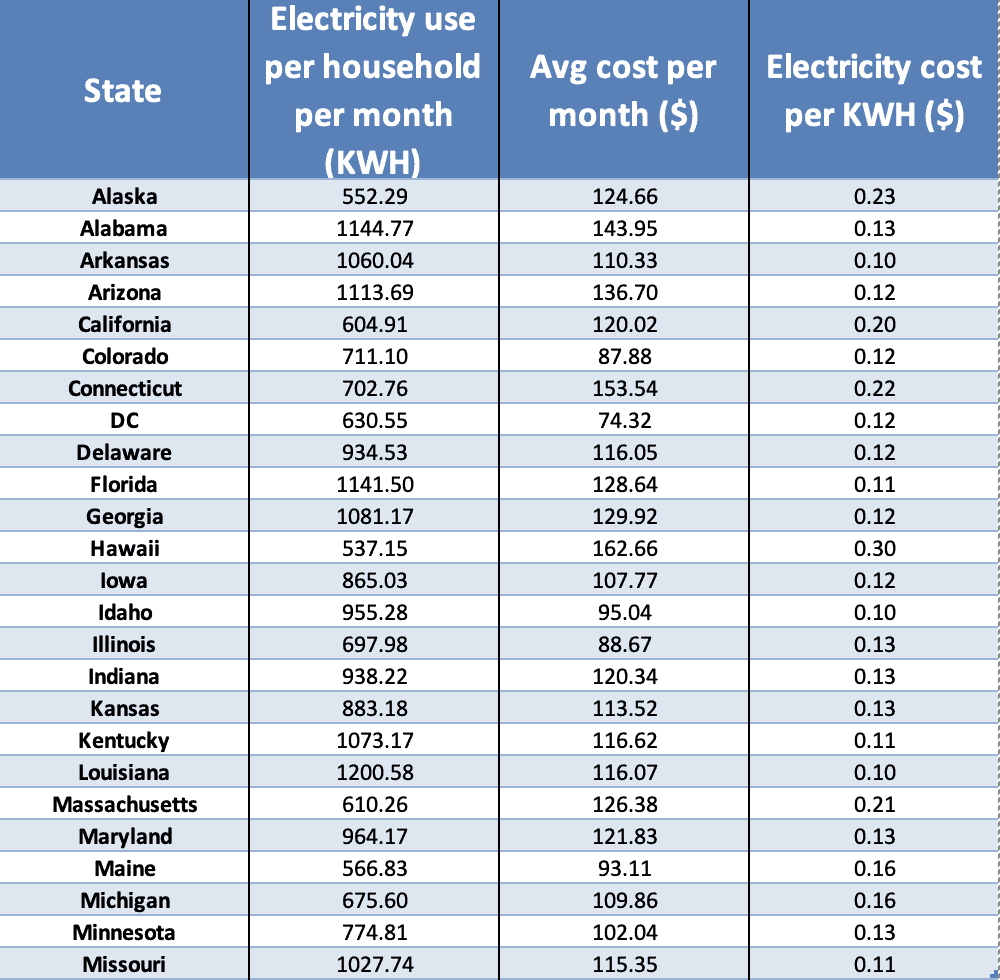
So, what's the average? Drumroll, please... The average U.S. household uses around 886 kWh per month. That's roughly 10,632 kWh per year. Now, that’s a big number! But don't panic, we'll break it down.
Must Read
Where Does All That Power Go?
Imagine your house as a giant energy-slurping monster. What's its favorite snack? Well, it's a varied diet, but some items are definitely on the "most-wanted" list.
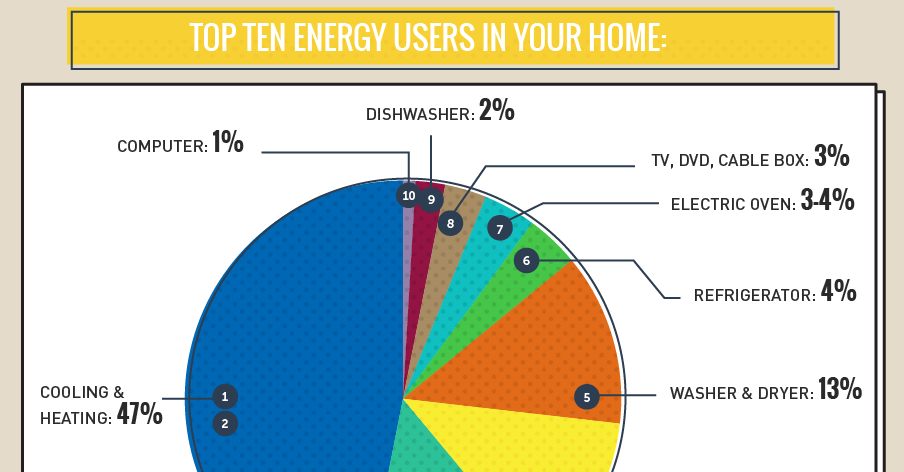
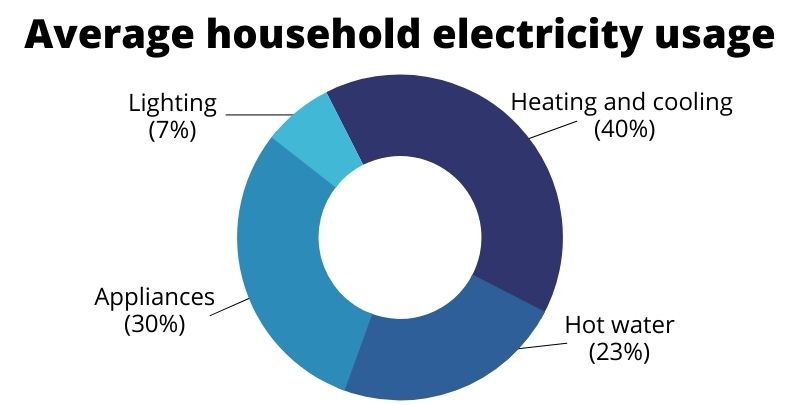
Heating and Cooling: This is the biggest culprit, especially if you live somewhere with blazing summers or freezing winters. Air conditioning and heating systems can account for around half of your energy bill! Ever notice how your bill skyrockets in July and January? Blame the weather gods (and your thermostat).
Appliances: Your refrigerator is a 24/7 energy vampire. It just sits there, humming quietly, constantly chilling your leftovers. Then there's the dryer, which basically turns clothes into soft, warm clouds of electricity consumption. And let's not forget the dishwasher, doing the dirty work (literally) while guzzling power.
Lighting: Okay, lightbulbs aren’t as power-hungry as they used to be, thanks to energy-efficient LEDs. But if you're still rocking those old incandescent bulbs, it's time for an upgrade! Think of it as a small investment in a brighter (and cheaper) future.
Electronics: TVs, computers, gaming consoles, chargers… they all add up. Even when they're "off," many electronics are still drawing a little power in standby mode. It's like they're secretly planning an energy heist while you're asleep.
Is Your House Average? Probably Not!
The average is just that – an average. Your actual energy consumption depends on a whole bunch of factors. Think about it: a family of five living in a sprawling mansion in Arizona is going to use a lot more electricity than a single person in a tiny apartment in Maine. It's just the way it is.
House size, insulation, the age of your appliances, your thermostat settings, and even your personal habits all play a role. Do you binge-watch Netflix every night? Do you leave lights on in empty rooms? Do you constantly crank up the AC to "arctic tundra" levels? These are all things that impact your electricity bill.
So, What Can You Do About It?
Don't despair! Even if you suspect your house is an energy glutton, there are things you can do to rein it in.

Energy Audits: Many utility companies offer free or low-cost energy audits. They'll send someone to your home to assess your energy usage and identify areas where you can save.
Smart Thermostats: These nifty devices learn your habits and automatically adjust the temperature to save energy. Plus, you can control them from your phone! It's like having a tiny, energy-saving robot living in your wall.
Energy-Efficient Appliances: When it's time to replace an old appliance, look for the Energy Star label. These appliances are designed to use less energy and save you money in the long run.
Simple Habits: Turn off lights when you leave a room. Unplug chargers when they're not in use. Wash clothes in cold water. These small changes can add up to big savings over time.
The Moral of the Story
Understanding how much electricity your house uses is the first step towards taking control of your energy bill. It's not about living in the dark or sacrificing comfort. It's about making informed choices and being mindful of your energy consumption. So, go forth and conquer that energy monster! And remember, every little bit helps – both your wallet and the planet will thank you.
The average monthly electricity consumption of US households is 886 kWh.