
How Much Electricity Does Solar Power Produce
Alright, settle in, grab your lattes (or, you know, a triple espresso if you're feeling ambitious) because we're about to dive headfirst into the surprisingly electrifying world of solar power! The question on everyone's mind (probably while they're waiting for their phone to charge… again): how much juice can these sun-soaking rectangles actually produce?
Well, buckle up, buttercup, because the answer is… it depends! (I know, I know, classic cop-out. But stick with me!). It's like asking "how much pizza can a pizza maker make?" It depends on how big the pizza is, what toppings they use, and whether they're having a particularly good pizza-making day (or a terrible one where the dough sticks to everything).
The Panel Powerhouse: Watt's Up?
Let's start with the individual solar panel. Most residential solar panels these days are rated somewhere between 300 and 400 watts. Think of a watt like a tiny little energy elf doing push-ups to power your stuff. A 400-watt panel, then, has a whole team of seriously buff energy elves.
Must Read
Now, here's the catch: those watts are only produced under ideal conditions. We're talking direct sunlight, the panel perfectly angled, and the temperature just right (not too hot, not too cold – Goldilocks would be proud). Real-world situations are, shall we say, less… Goldilocks-y.
Sunshine, Sunshine, Ladybugs Awake (and Generating Electricity!)
The amount of sunlight your area receives is a major player. Places like Arizona, with their almost annoyingly consistent sunshine, are solar power superstars. Meanwhile, my friends in Seattle might need to invest in extra-strong coffee to compensate for the less-than-stellar sunlight situation. Sorry, Seattle!
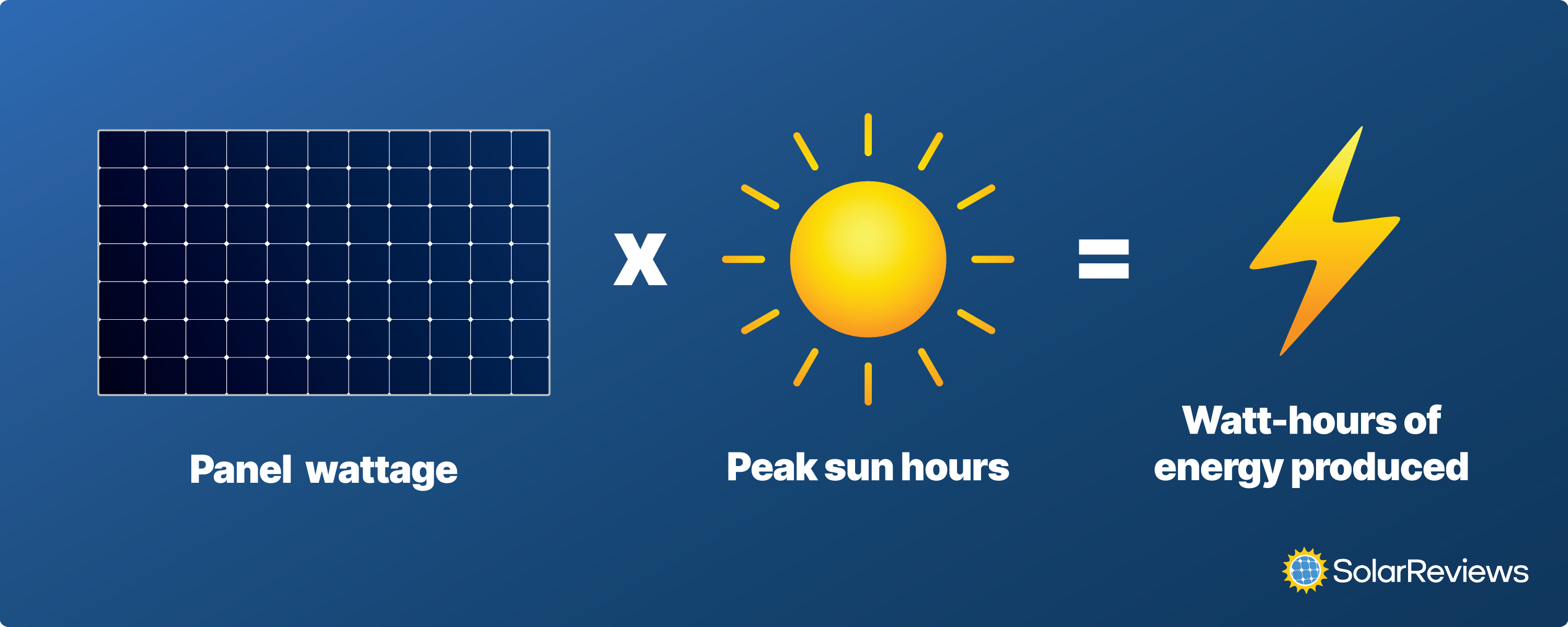
To figure out how much energy your panels will actually produce, you need to know your area’s “peak sun hours.” This is basically the average number of hours per day your panels will receive the equivalent of full, direct sunlight. You can usually find this information online by searching for solar irradiance maps for your location.
Let's say your area gets 5 peak sun hours a day. A 400-watt panel would theoretically produce 400 watts * 5 hours = 2000 watt-hours (or 2 kilowatt-hours, kWh) per day. That's like charging your phone approximately… a lot of times. Probably enough to fuel your doom-scrolling habit for a good long while.
![35 Latest Solar Power Statistics, Charts & Data [2025]](https://theroundup.org/wp-content/uploads/2022/02/global-annual-solar-energy-production.png)
The System: Size Matters (and So Does Direction)
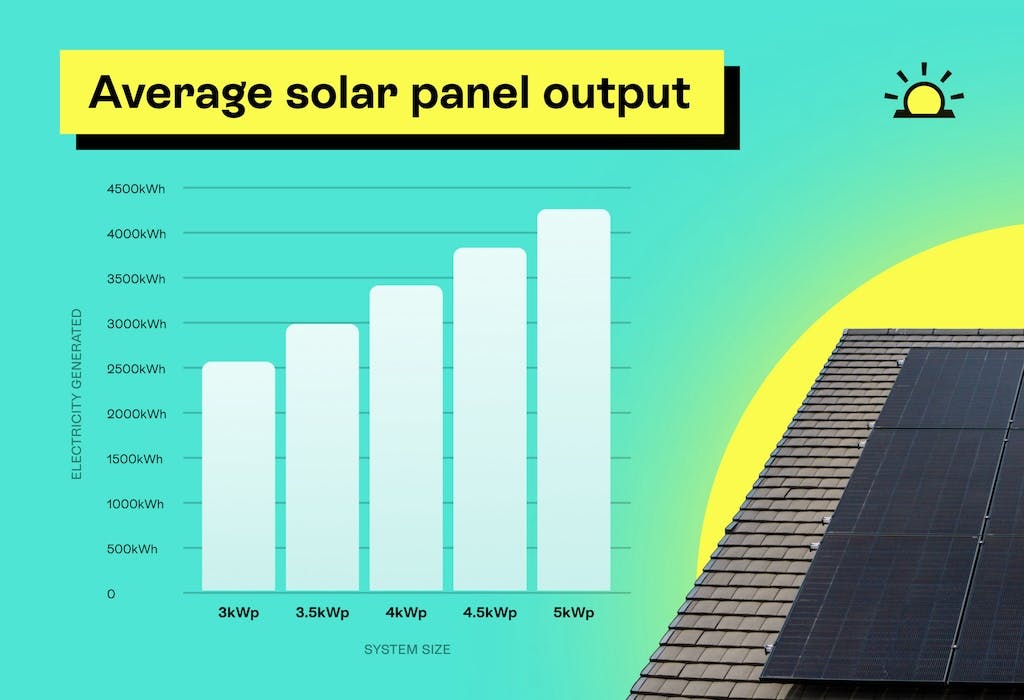
Of course, you're not just slapping a single panel on your roof (unless you're really, really committed to minimalist energy consumption). You're installing a whole system! The size of your system (measured in kilowatts, kW – that's 1000 watts, remember those elves?) directly impacts how much electricity you generate.
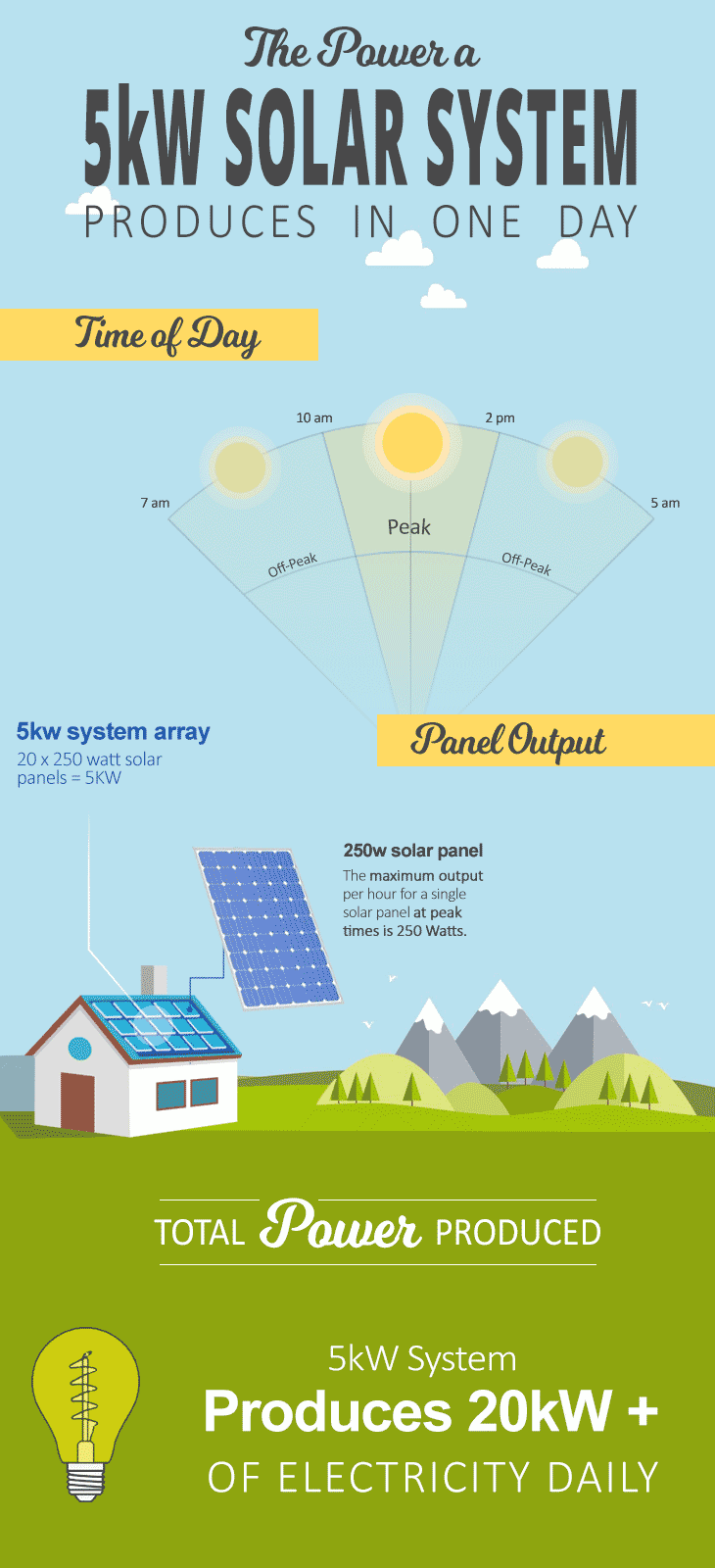
A typical residential solar system might be 5 kW. Using our previous example, that 5 kW system (with 5 peak sun hours) would generate around 25 kWh per day (5 kW * 5 hours). That's enough to power a small house, run your air conditioner, and maybe even charge your electric car (if you're fancy!).
But wait, there's more! The direction your panels face is crucial. In the Northern Hemisphere, you generally want them facing south to maximize sunlight exposure. Angle matters too! Too flat, and you'll miss out on some rays. Too steep, and your panels will be yelling "Uncle!" come winter. A good solar installer will know the optimal angle for your location.
Lost in Translation: Inverter Inefficiencies
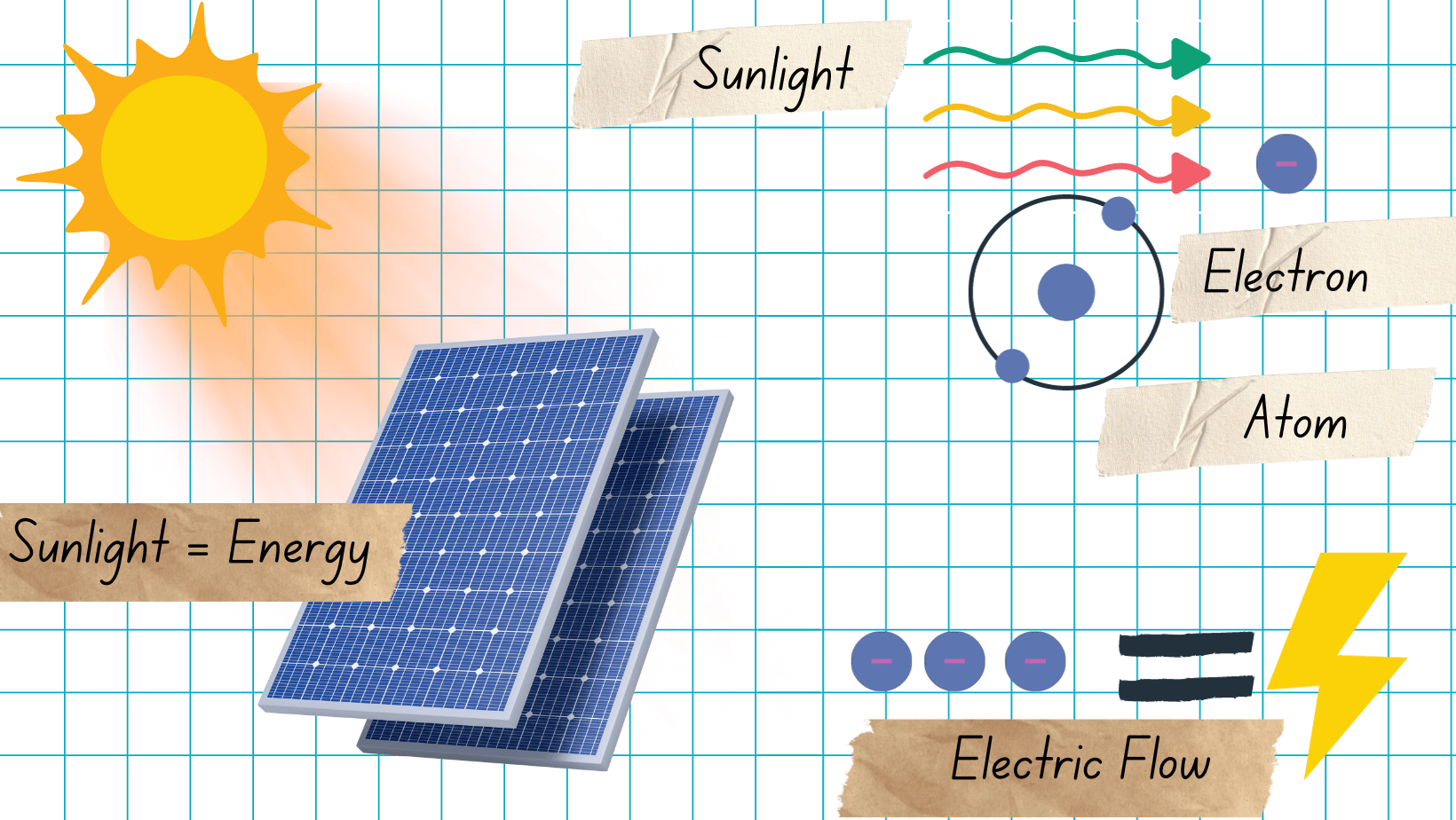
Here's a slightly less glamorous fact: not all the energy your panels generate makes it to your outlets. Your solar inverter (the magical box that converts DC electricity from the panels to AC electricity that your house uses) isn't perfectly efficient. There's some energy loss in the conversion process. Think of it as a tiny toll booth the energy has to pass through.
Inverter efficiency is usually around 95-98%, so it's not a massive loss, but it's something to keep in mind. You're still getting a ton of clean energy, just maybe not quite as much as you initially calculated.
The Bottom Line (or, How to Stop Worrying and Love the Sun)
So, how much electricity does solar power produce? It's a complex question with a lot of variables. But, in general, a well-designed solar system can generate a significant amount of clean, renewable energy, potentially saving you money on your electricity bill and reducing your carbon footprint. It's like getting paid to have a tan… sort of. You're not actually getting a tan, but your roof is. And that tan is turning into sweet, sweet electricity.
To get a more precise estimate for your specific situation, I highly recommend consulting with a qualified solar installer. They can assess your roof, analyze your energy needs, and provide a customized system design. Plus, they can probably tell you some hilarious jokes about solar panels, too (okay, maybe not, but it's worth a shot!).
Now go forth and harness the power of the sun! And maybe buy a slightly smaller pizza… unless you're sharing.