How Much Electricity Does Charging A Phone Use
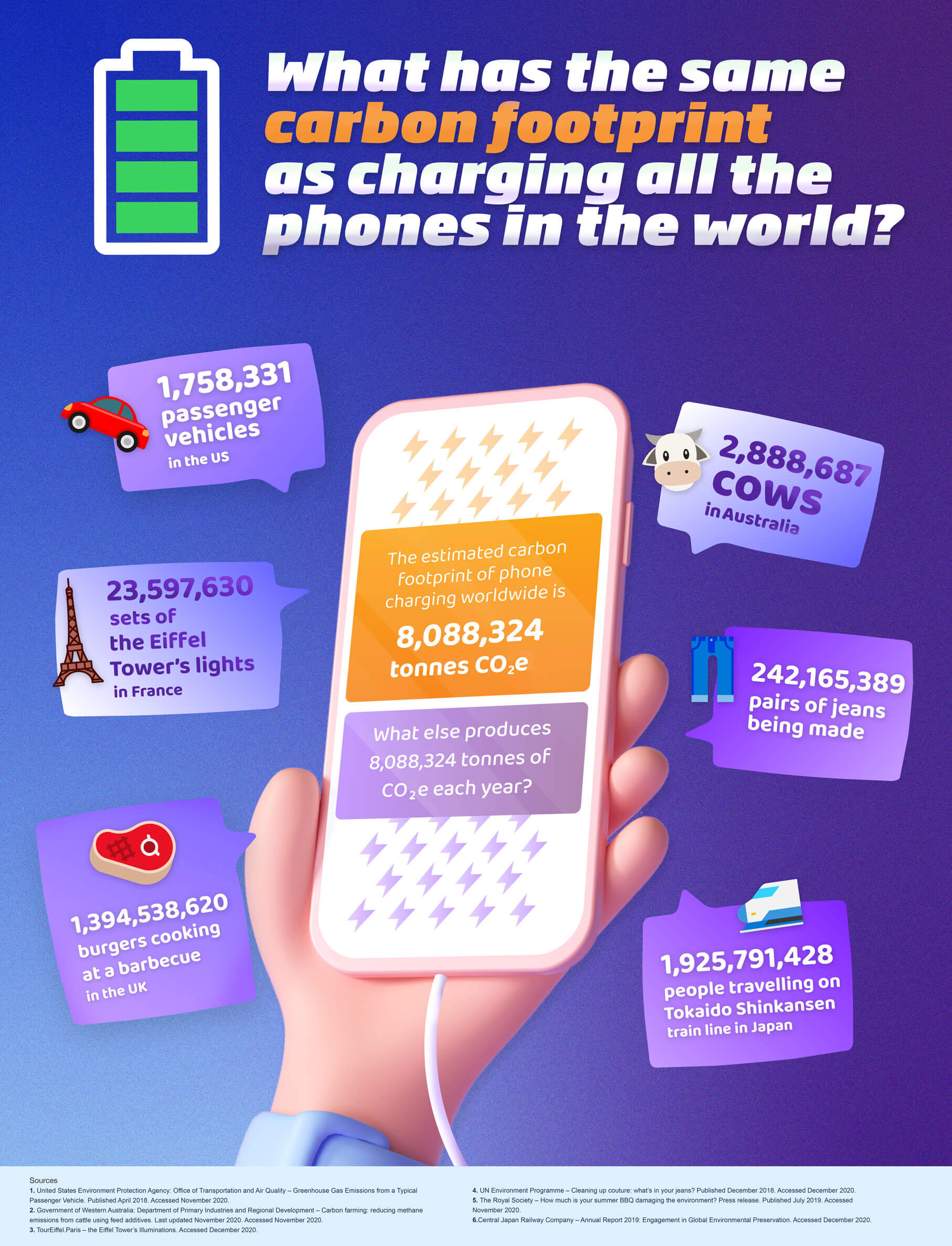
Ever wondered if that phone charger plugged in all night is silently racking up your electricity bill? It's a question we've all pondered, and the answer is surprisingly interesting (and reassuring!). Understanding how much electricity your phone charger uses is not just about saving pennies; it's about being a more conscious consumer and making small changes that can add up to a big difference.
For beginners, this is all about demystifying the process. Think of it like this: your phone battery is like a small gas tank, and your charger is the pump. You're filling it up, but it doesn't take gallons of gas to get it done. Understanding that it’s a small amount of energy is the first step. For families, knowing the cost of charging electronic devices can be a great way to teach kids about energy conservation and budgeting. You can even turn it into a game, challenging them to find ways to reduce energy consumption. And for the hobbyists and tech-savvy folks, delving into the wattage and voltage ratings of different chargers opens a whole new world of optimization and efficiency analysis.
So, how much electricity are we talking about? The average smartphone charger uses a surprisingly small amount of power. To fully charge a smartphone, it typically consumes between 2 to 5 watts. Let's put that into perspective. A standard incandescent light bulb uses around 60 watts! So, your phone charger is using a fraction of the energy. Now, if you leave your charger plugged in even when your phone isn't connected, it will still draw a very small amount of "vampire" power, typically less than 0.5 watts. This is why it's often recommended to unplug chargers when they're not in use.
Must Read
There are variations, of course. Fast chargers, designed to quickly replenish your phone's battery, will draw more power than standard chargers, perhaps up to 15-20 watts during the rapid charging phase. However, even these faster chargers become more energy-efficient once your phone reaches full charge and switches to a trickle-charge mode. Also, older chargers or those from less reputable brands may be less efficient and draw more power, even when idle. Think about the difference between a fuel-efficient car and an old gas guzzler; chargers can have similar variations.
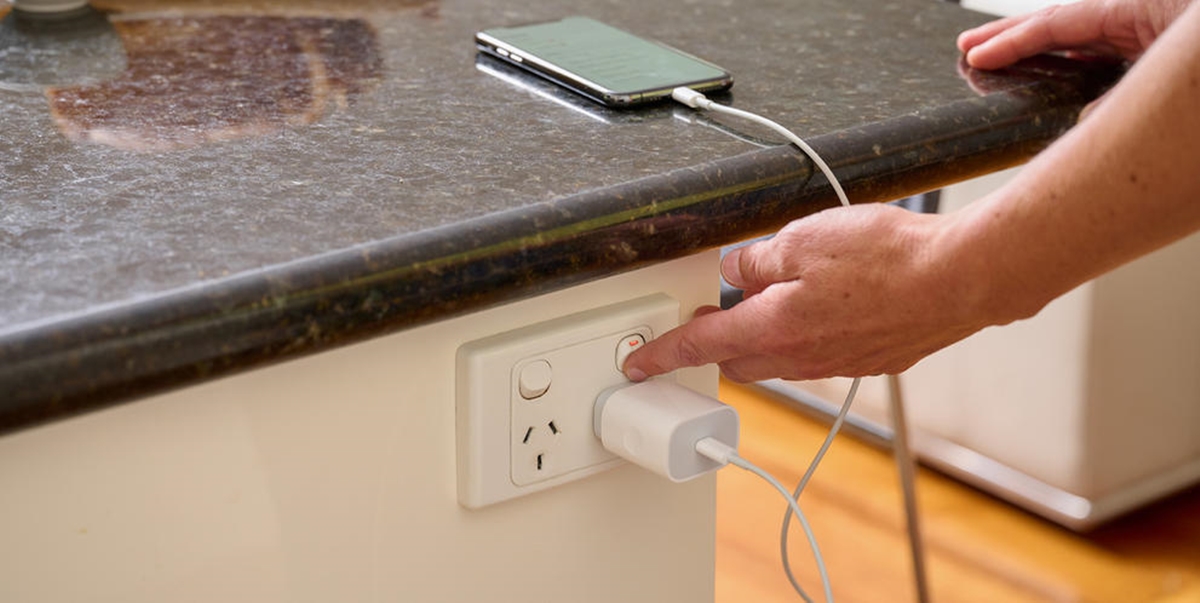
Getting started with saving energy on phone charging is incredibly simple. Here are a few practical tips:
- Unplug your charger when you're not using it. This eliminates vampire power draw.
- Use a power strip with an on/off switch. This makes it easy to cut power to multiple chargers at once.
- Charge your phone strategically. Avoid charging overnight if possible. Instead, charge it for shorter periods during the day.
- Consider using a smart plug to monitor energy usage and set charging schedules.
- Recycle old chargers responsibly. Don't just throw them in the trash!
Ultimately, understanding the energy consumption of your phone charger isn't about stressing over minuscule costs. It's about gaining awareness and making informed choices. By adopting a few simple habits, you can contribute to a more sustainable lifestyle and maybe even save a few bucks along the way. So, go ahead, unplug that charger with confidence, knowing you're doing your part! It’s empowering to know that even small actions can make a difference.