
How Much Electricity Does An Oven Use Per Hour

The Oven and the Electric Bill: A Love Story (Sort Of)
Let's talk about ovens. They're the unsung heroes of our kitchens, silently baking cookies and roasting chickens. But have you ever wondered how much electricity these culinary companions actually use?
The answer, of course, isn't as simple as flipping a light switch. It's more like figuring out if your teenager is really studying or just scrolling through TikTok. There are variables!
Watt's Up with Watts?
First things first: watts. That's the key measurement of power your oven consumes. Most ovens range between 2,000 and 5,000 watts. Think of it like the oven's "engine" size.
Must Read
A smaller oven, perfect for a cozy apartment, might be on the lower end. A behemoth, ready to tackle a Thanksgiving turkey, will naturally guzzle more power.
To get an hourly estimate, we need to factor in voltage. In most US homes, that's around 240 volts for an oven. Now, before your eyes glaze over, relax! We're not going full science teacher on you.
But consider this: a 2400-watt oven, running for an hour, uses 2.4 kilowatt-hours (kWh). This is the unit your electricity bill uses. That sounds a bit complex, but bear with me.
The Preheating Predicament
Preheating is where the electricity meter really starts spinning. Think of it as the oven equivalent of warming up a car engine on a freezing morning. It takes a burst of power to reach the desired temperature.
Preheating can use a significant chunk of energy, especially if you're aiming for a high temperature. It may only take 10-15 minutes, but those minutes can add up.
Some newer ovens have rapid preheat features, which are designed to be more efficient. It's like having a turbocharger for your baking endeavors!
Bake It or Broil It?
Baking and broiling are two very different beasts. Baking uses a more gentle, consistent heat, usually from the bottom element.

Broiling, on the other hand, is like unleashing the oven's inner dragon. It uses intense heat from the top element to sear food quickly.
Because broiling uses a higher heat setting, it tends to consume more electricity per hour than baking. So, while that crispy crème brûlée might be tempting, keep the energy consumption in mind!
The Cost of Cooking: A Real-World Example
Let's say your electricity costs $0.15 per kWh (check your bill – prices vary!). Running that 2.4 kWh oven for an hour would cost you $0.36. Not bad, right?
But remember, that's just for the oven itself. Add in the energy used by other appliances, like the refrigerator humming in the background or the lights illuminating your culinary masterpiece, and the total cost climbs.
Think of that oven as the star player in a whole team of kitchen appliances working together to create your favorite meal.
Oven Age and Efficiency: A Grumpy Old Oven
Just like a car, an older oven might be less efficient than a newer model. The insulation might be worn down, causing heat to escape, and the heating elements might be less responsive. This means it will have to work harder, which translates to more electricity consumption.
A newer, energy-efficient oven will often have better insulation and more advanced heating technology. It is like upgrading from a horse-drawn carriage to a sleek electric car.
Consider if it's time to retire that grumpy old oven and invest in a more efficient model, you may see the savings on your electricity bill for years to come.
Self-Cleaning Cycles: The Energy Hog
Those self-cleaning cycles, while convenient, are notorious energy hogs. They crank the oven up to extremely high temperatures to burn off food residue.
This process can take several hours and use a significant amount of electricity. It is like running your oven at full blast for an extended period.
Consider using the self-cleaning cycle sparingly. Sometimes, a good old-fashioned scrub with baking soda and elbow grease can be just as effective.
Tips for Saving Energy While Baking: Become an Oven Whisperer
There are plenty of ways to minimize your oven's energy consumption. Think of yourself as an "oven whisperer," learning to work with its quirks and optimizing its performance.
First, resist the urge to peek inside the oven too often. Each time you open the door, heat escapes, and the oven has to work harder to maintain the temperature. Pretend it’s a top secret operation.
Second, use the oven's convection setting if it has one. Convection ovens circulate hot air more efficiently, allowing you to cook food at a lower temperature and in less time.

Third, batch cooking is your friend. If you're already heating the oven, consider baking multiple dishes at once. That way, you're maximizing the energy you're using.
Finally, turn off the oven a few minutes before the cooking time is up. The residual heat will continue to cook the food, saving you a bit of energy. It is like coasting to a stop in your car.
The Oven: More Than Just an Appliance
Ultimately, the amount of electricity your oven uses is just one small piece of the puzzle. Ovens are more than just appliances.
They are the heart of countless family memories. Think of all the holiday feasts, birthday cakes, and late-night cookie cravings that have been satisfied by these hardworking machines.
So, the next time you preheat your oven, take a moment to appreciate its role in your life. And maybe, just maybe, try to be a little more mindful of its energy consumption. Your wallet (and the planet) will thank you.
The Myth of the Oven Fairy
Many people believe there's an Oven Fairy, a mischievous sprite who tinkers with the temperature and secretly jacks up your electricity bill. While the Oven Fairy is, alas, a myth, there's a grain of truth in the idea that unseen factors can affect your oven's energy usage.
For example, if your oven door seal is damaged, heat will escape, forcing the oven to work harder. This is like having a leaky faucet; the dripping water (or in this case, heat) represents wasted energy.
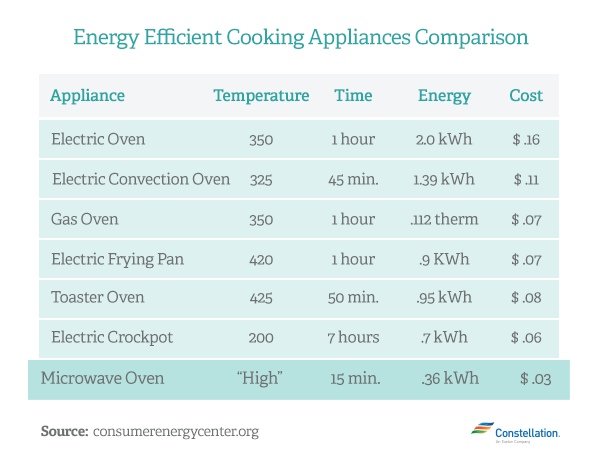
Also, ensure your oven is properly calibrated. If the temperature is off, you might be cooking food for longer than necessary, leading to increased energy consumption. Think of it as having your car's speedometer miscalibrated, causing you to drive faster (and burn more fuel) than you realize.
Beyond the Numbers: The Joy of Home Cooking
While it's helpful to understand how much electricity your oven uses, don't let it overshadow the joy of home cooking. The aroma of freshly baked bread, the satisfaction of creating a delicious meal from scratch – these are experiences that transcend mere numbers.
Instead of stressing over every kilowatt-hour, focus on making mindful choices. Use your oven wisely, embrace energy-saving tips, and appreciate the magic it brings to your kitchen. Remember, a little bit of awareness can go a long way.
After all, a home-cooked meal is more than just the sum of its parts; it's an act of love, a shared experience, and a celebration of life's simple pleasures. And that's something worth cherishing, regardless of the electricity bill.
Final Food for Thought
So, the next time you're standing in your kitchen, contemplating the mysteries of the oven, remember this: It's a powerful tool, capable of both culinary triumphs and (minor) energy consumption.
By understanding its quirks and embracing energy-saving habits, you can become a true "oven whisperer," mastering the art of baking, roasting, and broiling without breaking the bank.
Now, go forth and bake something amazing! And don't forget to unplug your toaster when you're done.