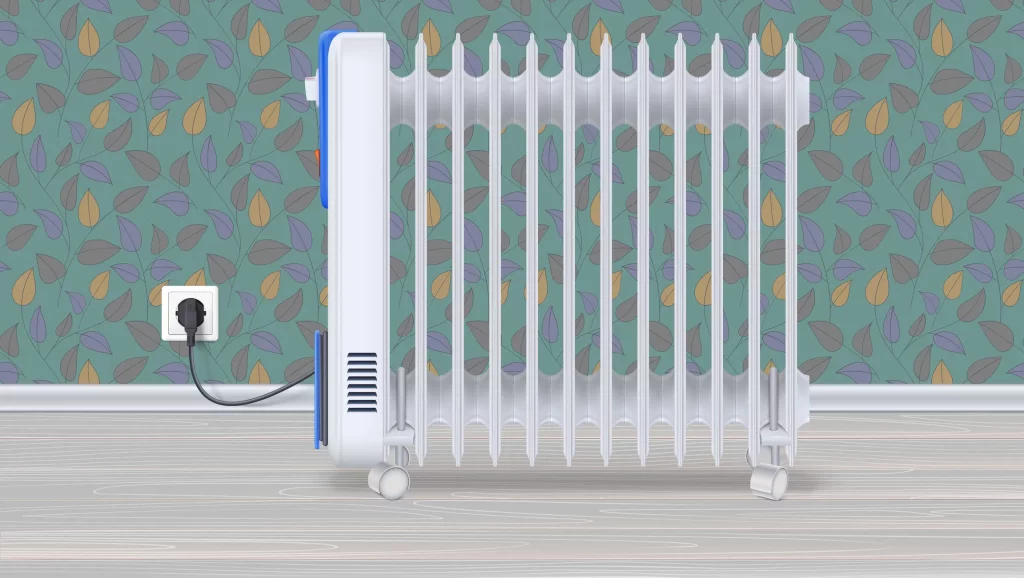
How Much Electricity Does An Oil Heater Use Per Hour
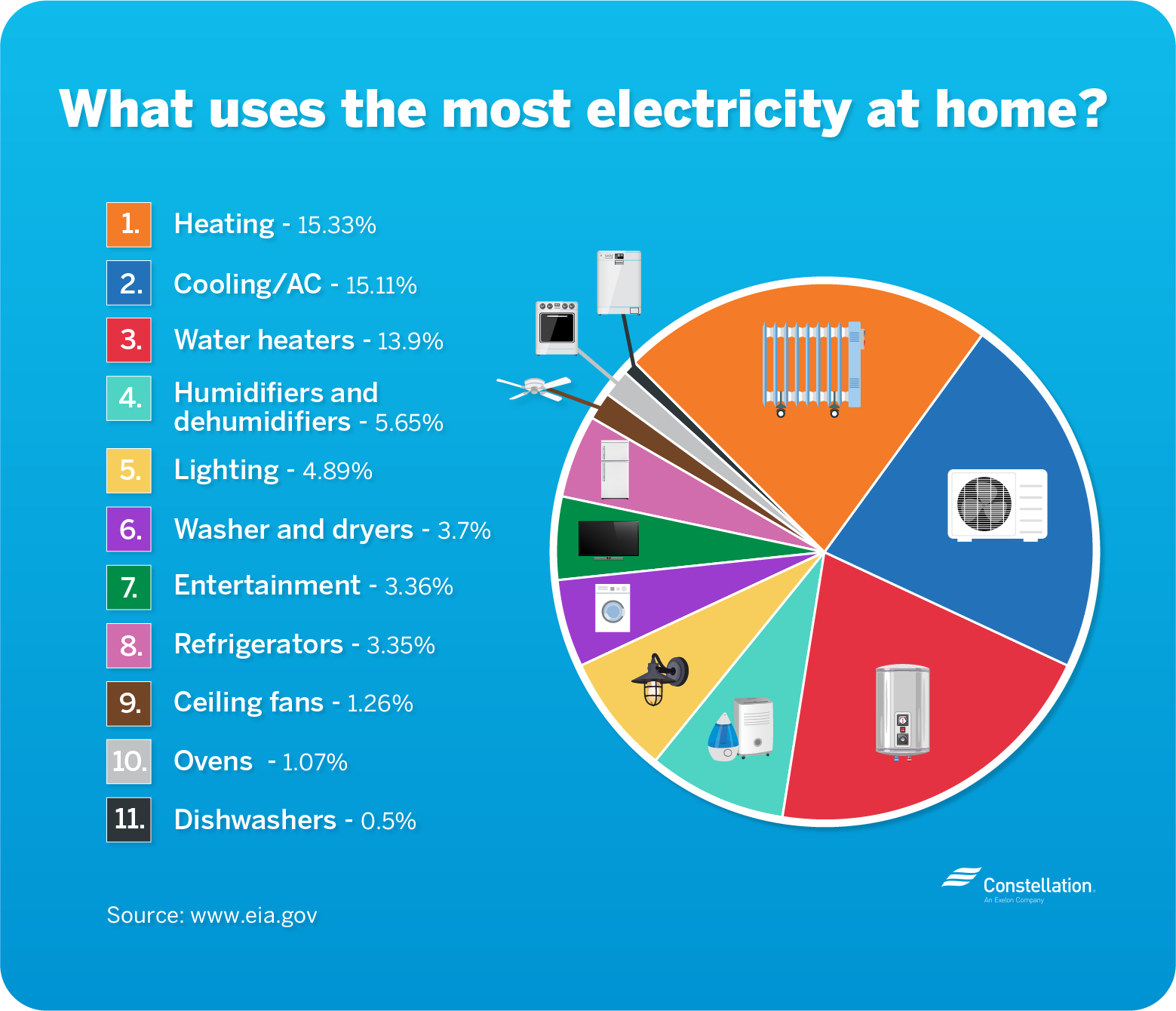
Okay, cozy kings and queens, let’s talk oil heaters. Picture this: it's a crisp autumn evening, you're curled up on the sofa with a steaming mug of something delicious, and a gentle warmth is radiating from your trusty oil-filled radiator. Bliss, right? But that bliss can quickly turn to slight panic when you think about your next electricity bill. So, how much juice are these comforting contraptions really sucking up?
The truth is, it's not a simple answer. Think of it like ordering pizza – there are different sizes, different toppings, and ultimately, different costs. Oil heaters, also known as oil-filled radiators, come in a range of wattages, and that's the key to figuring out their hourly electricity consumption.
Understanding the Wattage Game
Most oil heaters will proudly display their wattage somewhere on the unit, usually on a sticker or plate. Common wattages range from 700W to 1500W. The higher the wattage, the more electricity it uses. Pretty straightforward, right?
Must Read
To calculate the hourly energy consumption, you simply divide the wattage by 1000 to convert it to kilowatts (kW). So, a 1500W heater uses 1.5 kW per hour at its highest setting. A 700W heater consumes 0.7 kW. Remember that number; it's your key to calculating costs.
Calculating the Cost
Now, for the money matters! To figure out how much it costs to run your oil heater per hour, you need to know the price of electricity in your area. This is usually measured in cents per kilowatt-hour (kWh) and is stated on your electricity bill.

Let's say your electricity costs 20 cents per kWh. To run that 1500W heater (1.5 kW) for an hour, it would cost you 1.5 kW x 20 cents/kWh = 30 cents. Running the 700W heater would cost 0.7 kW x 20 cents/kWh = 14 cents.
Pro Tip: Your energy provider likely has a website or app where you can find your exact electricity rate. It might even fluctuate depending on the time of day, so it’s worth checking!

Factors That Influence Consumption
It's not just the wattage, folks! Several factors influence how much electricity your oil heater is actually using:
* Thermostat Settings: Oil heaters typically have adjustable thermostats. When the room reaches your desired temperature, the heater will cycle on and off to maintain it. This means it won't be running at full wattage all the time. The lower the thermostat, the less electricity you'll use. * Room Size and Insulation: A well-insulated room will retain heat better, requiring the heater to work less. A drafty, poorly insulated space will demand more energy to stay warm. * Heater Settings: Many oil heaters have multiple heat settings (low, medium, high). Using a lower setting will reduce energy consumption. * Starting Up: Oil heaters take a little while to heat up initially. During this period, they're usually drawing the maximum wattage.Practical Tips for Efficient Heating
Want to keep those energy bills in check while staying toasty warm? Here are a few tricks of the trade:
Cultural Considerations: Heating Habits Around the World
Did you know that heating habits vary drastically around the world? In Japan, for example, the "kotatsu," a low table with a built-in heater and a blanket draped over it, is a common way to stay warm and cozy during the winter months. It’s a very localized way to heat, rather than heating the entire room. Similarly, in some European countries, district heating systems provide centralized heating to entire neighborhoods, often using renewable energy sources.
A Final Warm Thought
Understanding how much electricity your oil heater uses is the first step toward responsible and efficient heating. It's all about finding that sweet spot between comfort and cost. So, the next time you reach for that thermostat, take a moment to think about the wattage, the price of electricity, and the tips you’ve learned here. Maybe you will adjust the settings for a more economic heating. Small changes can lead to significant savings and a more sustainable lifestyle. After all, a little bit of awareness can make all the difference in keeping both your home and your wallet warm.