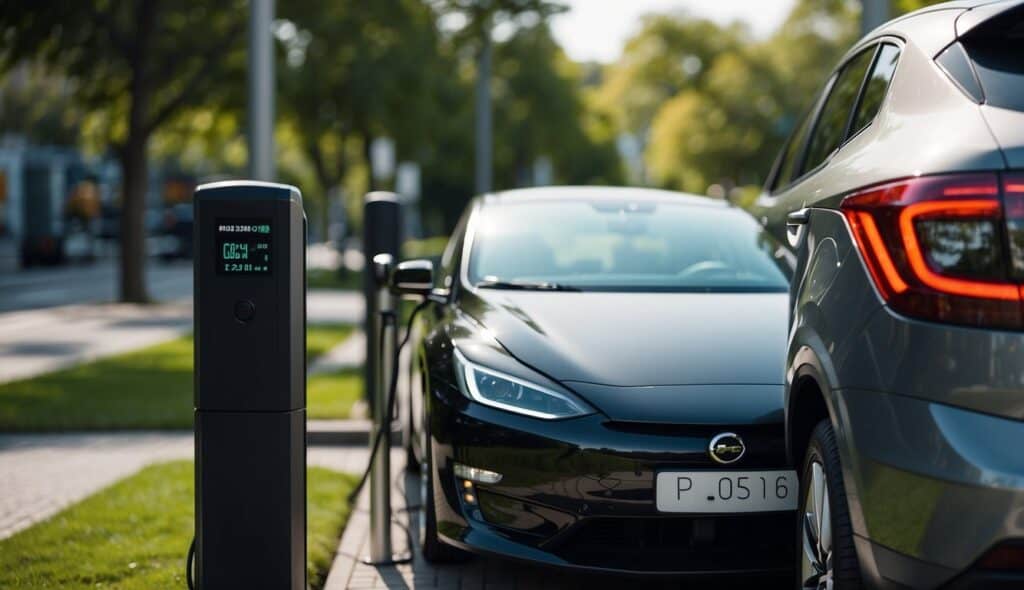
How Much Electricity Does An Electric Car Use To Charge

Ever wondered how much electricity your electric car actually drinks up when you plug it in? It's a pretty fascinating question, and understanding the answer can help you budget, plan road trips, and even impress your friends with your EV knowledge! Plus, knowing the electricity usage helps you appreciate the environmental impact (or lack thereof) compared to gasoline cars. Let's dive in, shall we?
So, what’s the deal? Electric cars, or EVs, run on electricity stored in batteries. To replenish that energy, you need to plug them into a power source – your home outlet, a public charging station, and so on. The electricity drawn during this process is measured in kilowatt-hours (kWh). Think of kWh as the "gallon" of electricity.
The amount of electricity an EV uses to charge depends on several factors. Firstly, the size of the battery plays a crucial role. A larger battery, like those found in long-range models, will naturally require more kWh to fill up than a smaller battery in a compact EV. Secondly, how empty the battery is when you plug in will drastically affect the electricity usage. If you're topping off from 80% to 100%, it'll use significantly less power than charging from near zero. Lastly, the efficiency of the charging system, both within the car and the charging equipment, can impact how much electricity is lost during the process.
Must Read
Why is this important? Well, understanding your EV's electricity consumption has many benefits. For one, it allows you to estimate your charging costs. Check your electricity bill to find the price per kWh in your area, and then multiply that by the number of kWh needed to charge your car. This will give you a good idea of how much you're spending on "fuel" compared to gasoline. It also helps with range anxiety. Knowing how many kWh your car needs for a full charge, and the range you get per kWh, enables better trip planning. No more unexpected stops! Furthermore, from an environmental standpoint, knowing your electricity source (renewable or fossil fuel) and usage makes the assessment of your carbon footprint even more accurate.
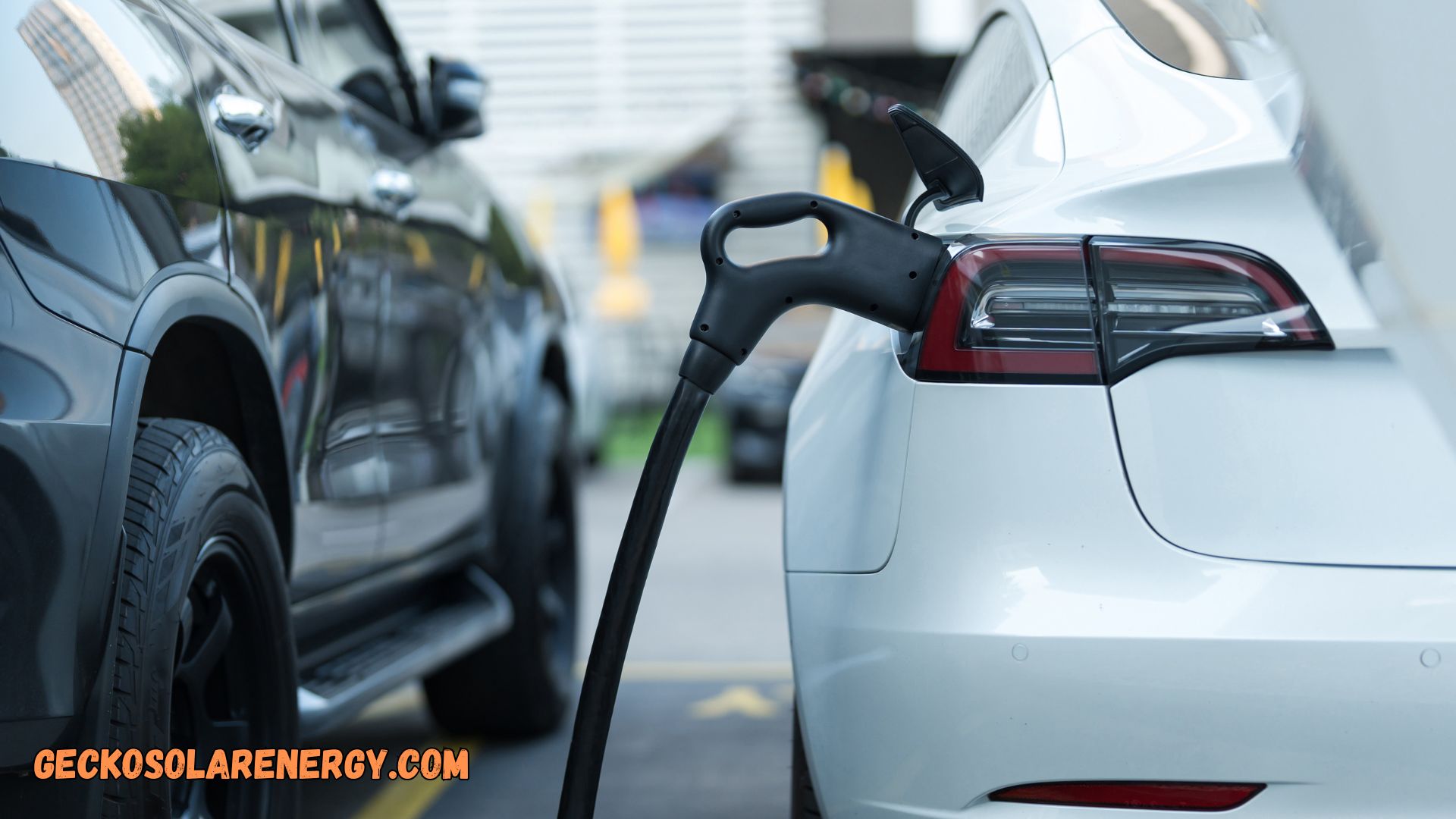
Let's consider some examples. In education, teachers can use EV charging as a practical illustration of energy consumption and efficiency in physics or environmental science classes. Students could even compare the energy usage and cost of driving an EV versus a gasoline car. In daily life, imagine you're comparing two different EV models. Knowing the battery size and efficiency of each could help you make an informed purchase decision, considering your driving habits and budget. You can also use online calculators to estimate charging costs based on your driving patterns.
Want to explore this further? Here are a few simple ways to get started. Firstly, check your EV's onboard computer. Many models provide data on electricity usage and charging history. Secondly, download a charging station app. These apps often track your charging sessions and provide detailed information on kWh consumed. Thirdly, you can use a "Kill A Watt" meter. It can be plugged between your EV charger and the outlet to give you a precise reading of the kWh used during a charging session. Have fun exploring the electric world!