
How Much Electricity Does Ac Use
Ah, the sweet sound of summer. Birds chirping, ice cream melting, and that glorious hum of your air conditioner kicking into gear. There’s nothing quite like walking into a cool home after battling the sun. It’s a little slice of paradise, isn't it? But as we bask in that blissful chill, a tiny thought often drifts into our minds: "How much is this comfort really costing me?"
It's a fantastic question, and one that many of us ponder, usually right before the electricity bill arrives. Think of your AC like a hungry superhero, ready to fight off the heat villain, but every superhero needs fuel. For your AC, that fuel is electricity. And just like different superheroes have different powers and needs, different AC units have different appetites for power.
So, how much juice does it actually guzzle? Well, prepare for the classic, slightly frustrating answer: it depends! Don't worry, though; we’re not leaving you in the dark. We're going to shine a flashlight on what makes your AC tick and sip that electricity, making it fun and easy to understand.
Must Read
The Great Energy Mystery: What's the Scoop?
Imagine you're driving a car. How much gas does it use? A tiny scooter uses very little, right? A big truck, on the other hand, gulps it down. Your AC is kind of the same. Several things play a starring role in its electricity usage:
First up, the size of your AC unit. Is it a small window unit cooling a tiny bedroom? Or is it a giant central air system trying to chill an entire mansion? Bigger spaces and bigger units naturally need more power. It’s like trying to fill a kiddie pool versus an Olympic swimming pool; one takes a lot more water (or in this case, electricity).
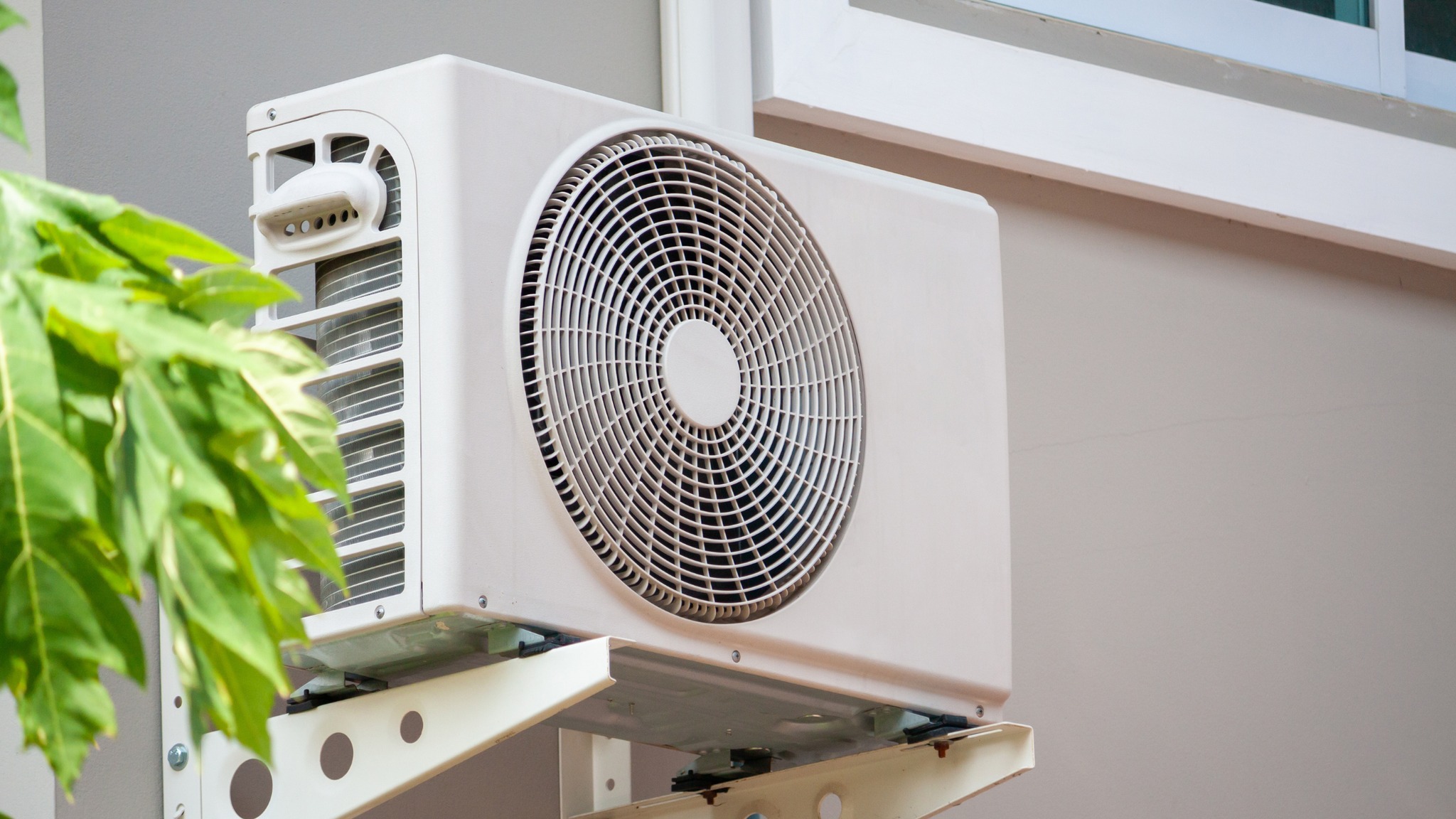
Next, think about the weather outside. If it’s scorching hot, like a dragon's breath outside, your AC has to work extra hard to keep your home cool. It’s fighting a bigger battle! On milder days, it can relax a bit more, taking fewer sips of electricity. So, a heatwave usually means your AC is putting in overtime.
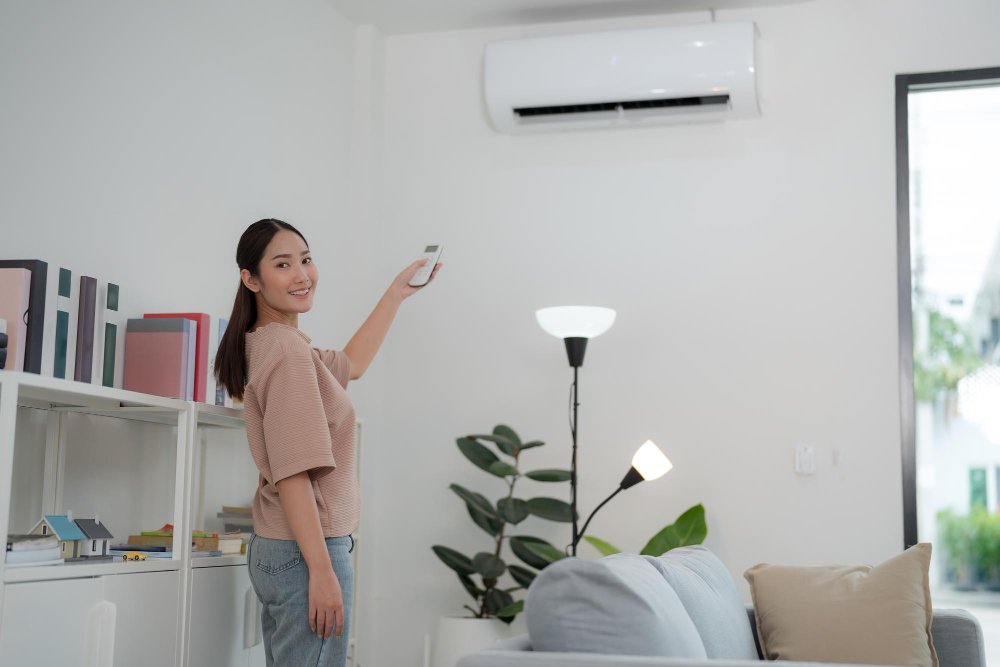
Then there's your desired indoor temperature. Do you like your home to feel like an arctic wonderland, or just comfortably cool? Every degree you lower that thermostat asks your AC to do more work. Setting it super low is like asking your car to constantly drive uphill – it uses more fuel! Finding that sweet spot where you’re comfortable but not freezing can make a big difference.
Let's not forget about the age and efficiency of your unit. An older, clunky AC might be less efficient, meaning it uses more electricity to achieve the same cooling as a newer, sleeker model. Think of it like an old cell phone battery versus a new one. The old one just doesn't hold its charge as well. Newer units often have an Energy Efficiency Ratio (EER) or Seasonal Energy Efficiency Ratio (SEER) rating. Higher numbers mean better efficiency, like a car with great miles per gallon!
Finally, your home's insulation and airtightness play a huge part. Is your cool air escaping through leaky windows or poorly insulated walls? Your AC will just keep running and running, trying to cool the great outdoors! Sealing up those sneaky drafts is like putting a lid on a pot – it keeps the good stuff inside.

Putting Some Numbers to the Mystery
Okay, we know it depends, but can we get a ballpark figure? Most residential AC units consume electricity measured in kilowatt-hours (kWh). This is the unit your electricity bill uses. A typical central air conditioner might use anywhere from 2,000 to 5,000 watts when running. A window unit could be 500 to 1,500 watts.
What does that mean in real talk? If your 3,500-watt (3.5 kW) central AC runs for eight hours a day, that's 28 kWh per day (3.5 kW x 8 hours). Multiply that by your local electricity rate (say, $0.15 per kWh), and you're looking at about $4.20 per day. Over a month, that's roughly $126 just for AC! Of course, these are rough estimates and can swing wildly based on all the factors we just talked about.
"Understanding your AC's electricity hunger is like having a secret superpower against high bills!"
Becoming an AC Electricity-Saving Guru
Knowing all this makes you super smart, right? Now you can use this knowledge to be friendlier to your wallet and the planet. Here are a few simple tricks:
- Set your thermostat wisely: Aim for a comfortable temperature, perhaps around 75-78°F (24-26°C) when you're home. When you leave, bump it up a few degrees. Every degree counts!
- Regular maintenance: Clean or replace your air filters monthly! A clogged filter makes your AC work much harder. Think of it like trying to breathe through a stuffy nose.
- Seal those leaks: Check windows and doors for drafts. Use caulk and weatherstripping to keep the cool air in and the hot air out.
- Use fans: Ceiling fans and portable fans can make you feel cooler without actually lowering the thermostat, helping you save energy.
- Shade your home: Close blinds or curtains during the hottest parts of the day. Trees planted strategically can also provide amazing natural shade.
So, the next time you feel that glorious blast of cool air, you'll know exactly what's going on behind the scenes. Your AC is a marvelous invention, giving us relief from sweltering heat. By understanding its electricity habits, you can enjoy that comfort without any nasty surprises on your bill. It’s all about being smart, staying cool, and giving your wallet a break. Go forth, cool citizen, and conquer the heat wisely!