How Much Electricity Does A Window Unit Use

The window unit air conditioner: a summer staple, a mechanical marvel, and sometimes, a source of endless debate. We’ve all been there – staring at that little box humming in the window, wondering just how much it’s impacting our electricity bill. It’s a question that plagues renters, homeowners, and anyone trying to keep cool without breaking the bank. But fear not! Understanding the energy consumption of your trusty window unit doesn't require a PhD in electrical engineering. Let's break it down in a way that’s as refreshing as that cool air it's pumping out.
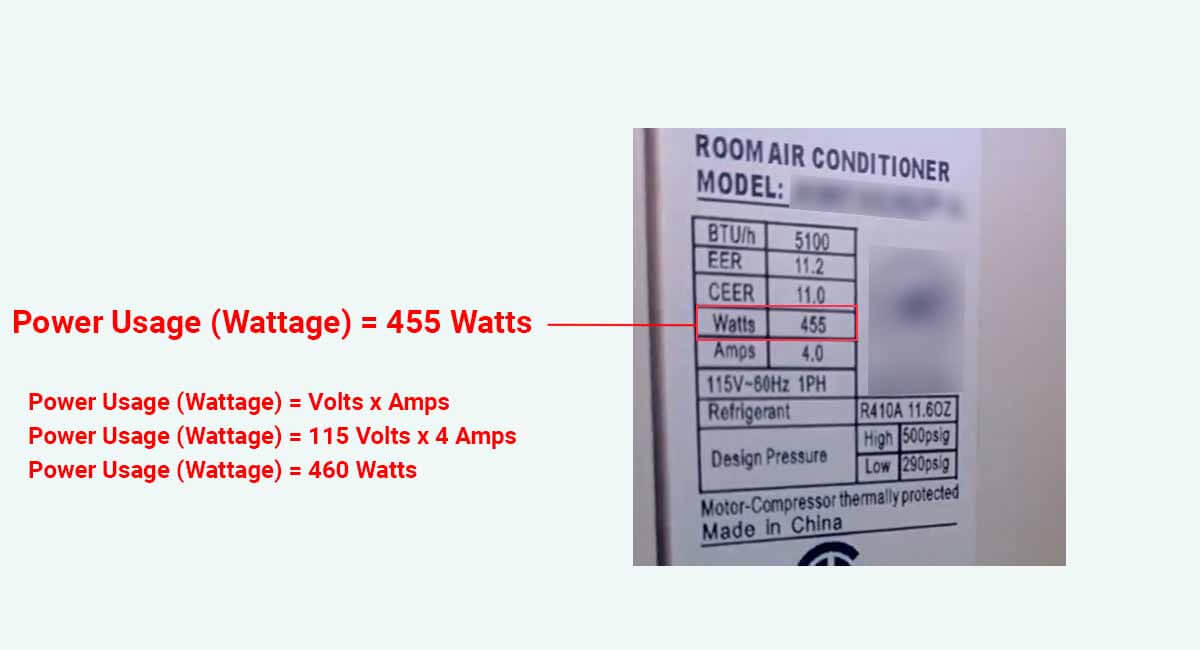
So, how much juice does it really suck? The truth is, it varies. Think of it like ordering coffee. A small, black coffee will cost you less than a grande, iced, caramel macchiato with extra whip. Similarly, a smaller BTU (British Thermal Units – the measure of cooling power) unit used in a bedroom will consume considerably less electricity than a larger one trying to cool a whole living room. The BTU rating, typically found on a sticker on the unit, is your key to understanding its power appetite.
Generally, window units range from around 5,000 to 12,000 BTUs. A 5,000 BTU unit might draw around 500 watts, while a 10,000 BTU unit could pull close to 1,000 watts or more. To calculate the estimated cost, find the wattage of your unit. Then, check your electricity bill for the cost per kilowatt-hour (kWh). Multiply the wattage by the number of hours you typically run the unit per day, then divide by 1000 to get kWh. Finally, multiply that kWh by your cost per kWh. Voila! An estimated daily cost. Remember, this is an approximation, as factors like insulation, room temperature, and usage patterns all play a role.
Must Read
Now for the good news! There are ways to be energy-smart. First, make sure you're buying the right size unit for your space. An oversized unit will cycle on and off frequently, wasting energy. Next, seal any gaps around the unit with foam or weather stripping. This prevents hot air from sneaking in and forcing the unit to work harder. Set the thermostat to a reasonable temperature. Every degree lower you set it, the more energy it consumes. Finally, clean or replace the filter regularly. A dirty filter restricts airflow and makes the unit less efficient.
Think of your window unit like a diligent artist; it works best when it's properly equipped and maintained. Understanding its energy consumption allows you to appreciate its cooling power without unnecessary financial stress. With a little planning and these simple tips, you can keep your cool and keep your wallet happy too! So go ahead, crank up the AC and enjoy the sweet relief of a cool, comfortable space. You’ve earned it!