How Much Electricity Does A Windmill Produce
Ever wondered how much juice those giant windmills, officially called wind turbines, are actually making? It's a question that's becoming more and more relevant as we all look for cleaner, greener ways to power our lives. Forget imagining Don Quixote tilting at them; we're talking about real, usable electricity, and the numbers might just surprise you! Understanding the power of wind is not just about knowing facts, it's about appreciating how we can harness a natural resource to build a more sustainable future.
So, what’s the deal? Well, a wind turbine's main purpose is simple: to convert the kinetic energy of the wind into electrical energy. The blades spin, turning a generator inside the turbine, and voila, electricity! The biggest benefit? It’s renewable. Wind is free, clean, and plentiful (in many locations, at least). Using wind power helps us reduce our reliance on fossil fuels, shrink our carbon footprint, and combat climate change. Plus, once they're built, wind farms require relatively little maintenance and operational cost.
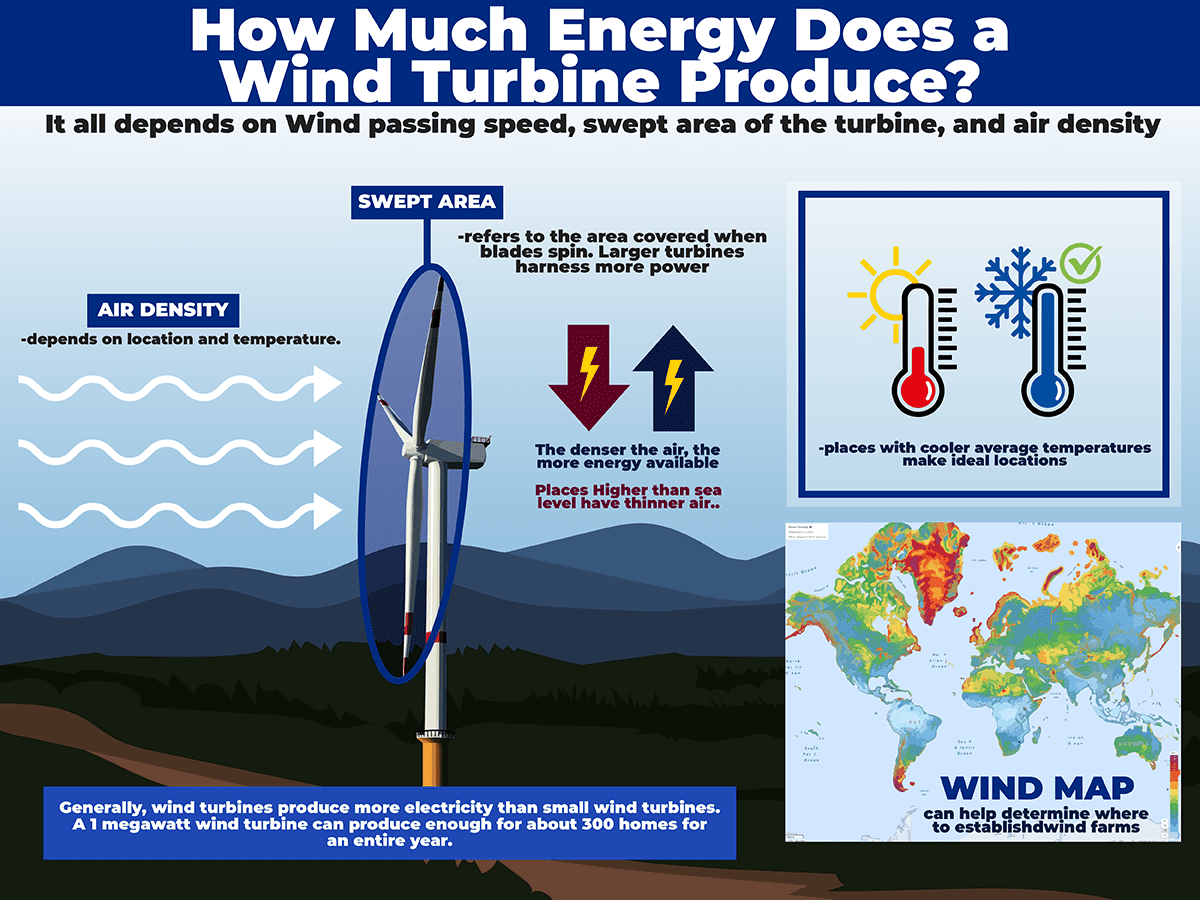
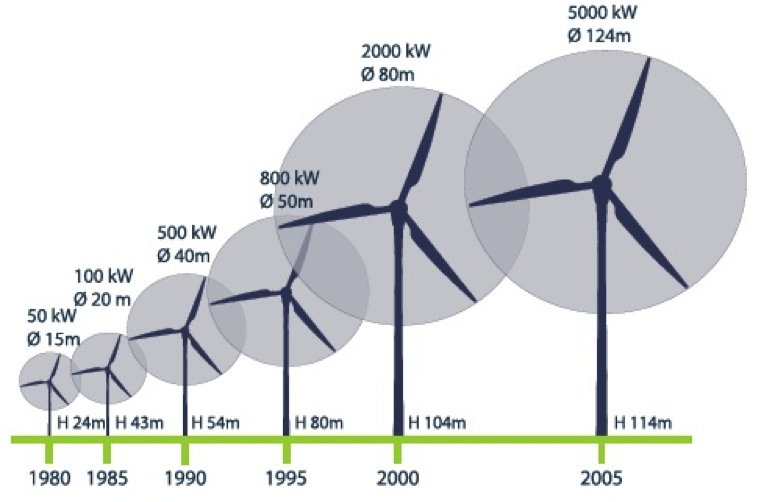
Now, for the big question: how much electricity does one of these things generate? It depends! Think of it like cars: some are compact and efficient, others are gas-guzzling SUVs. Wind turbines come in different sizes and capacities. A small, residential wind turbine (the kind you might see on a farm or a small business) might produce just a few kilowatts (kW). But a large, utility-scale wind turbine, the kind you see in vast wind farms, can generate several megawatts (MW). One megawatt is equal to 1,000 kilowatts, so we are talking about a big difference.
Must Read
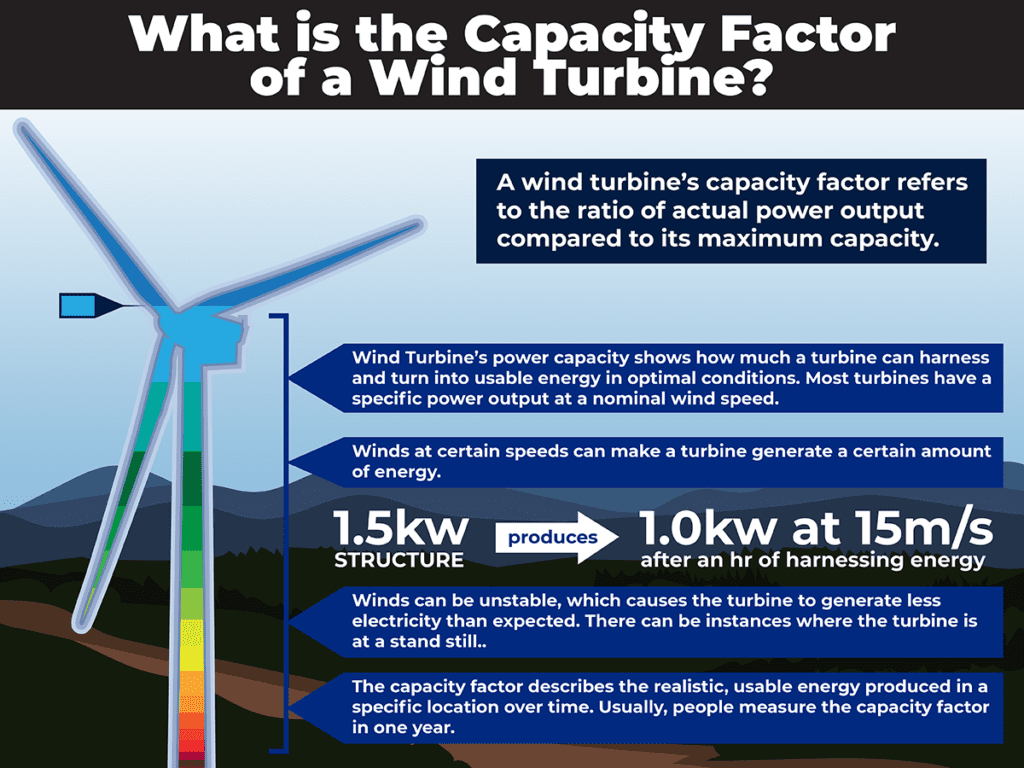
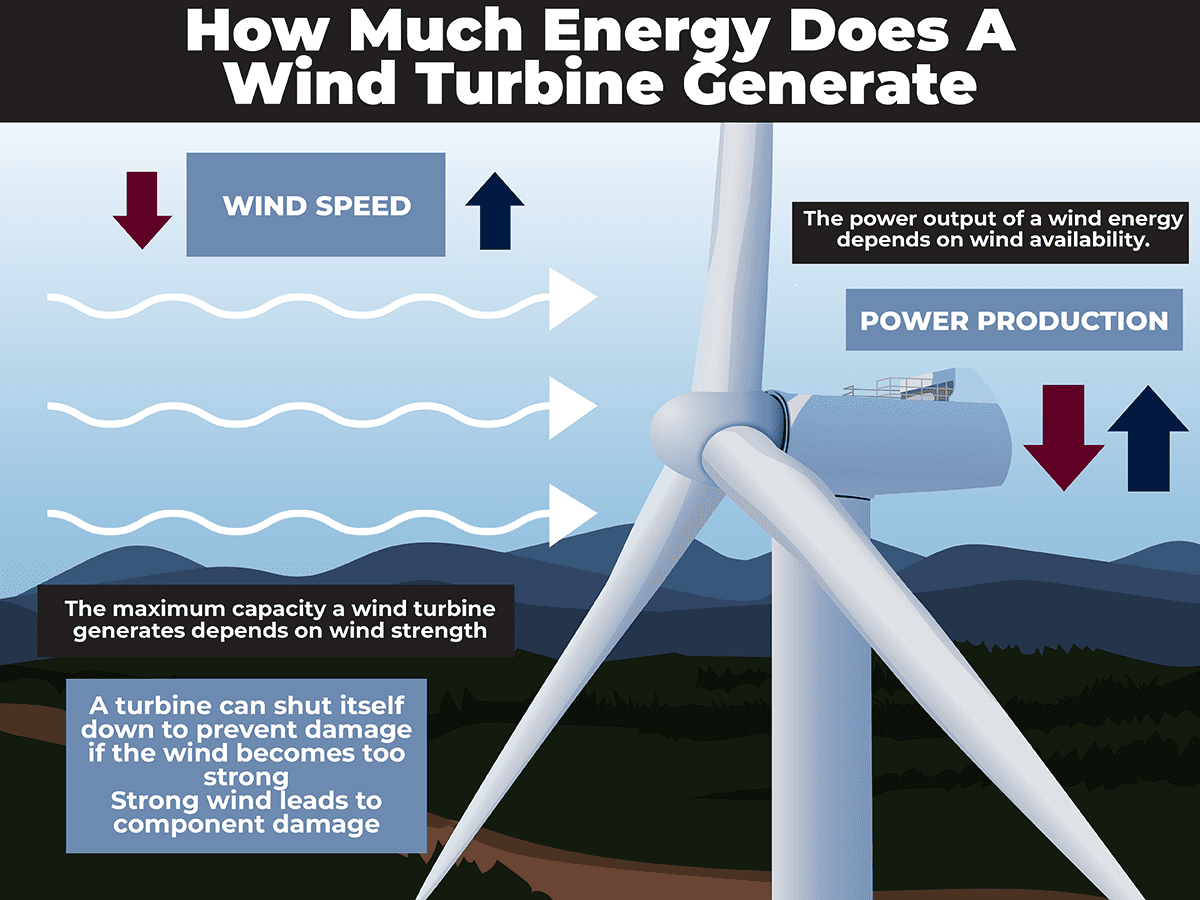
To put that in perspective, a 3 MW wind turbine, a pretty common size, can generate enough electricity to power roughly 1,500 average US homes! That's a whole community powered by a single turbine. However, it's not quite that simple. Wind doesn't blow constantly, so a turbine's actual output varies depending on wind speed and consistency. This is often referred to as the "capacity factor," which represents the actual energy produced over a period compared to the maximum possible energy production.
The capacity factor of a wind turbine is usually around 30-50%. So, even a turbine with a high capacity might not be running at full power all the time. Factors such as location, wind patterns, and turbine technology all contribute to its efficiency. Coastal areas and plains, with their consistent winds, are prime locations for wind farms. Advances in turbine design are also making them more efficient at capturing energy from even lighter winds.
In conclusion, the amount of electricity a windmill (wind turbine) produces varies greatly. It depends on its size, location, and the whims of the wind. But even with these variables, the potential of wind power is undeniable. As technology improves and we continue to invest in renewable energy sources, wind power will play an increasingly crucial role in powering our world. So next time you see one of those giant turbines gracefully spinning, remember the power they hold, and the brighter, cleaner future they represent.