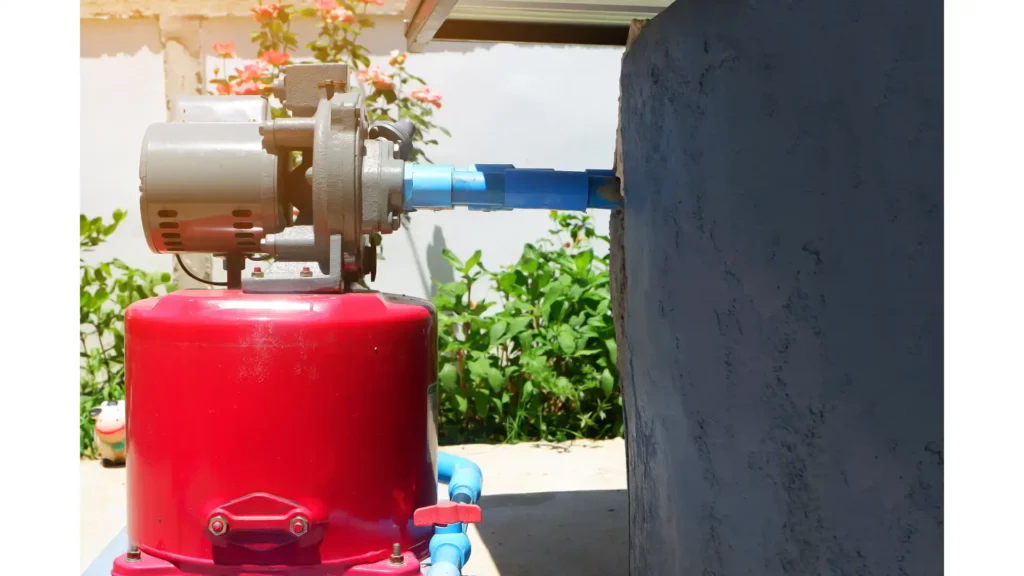
How Much Electricity Does A Water Well Pump Use

Ever stood under a gloriously spraying shower, belting out your best (or worst) rendition of your favorite song, and thought, "Where does all this lovely water really come from?" If you're on well water, the answer is a little electric hero down in the ground – your well pump. But how much juice does that little buddy actually slurp? Let's dive in, shall we?
Think of your well pump like your car. Some are fuel-efficient little hybrids sipping sparingly, while others are gas-guzzling SUVs. The amount of electricity your pump uses depends on a bunch of things, kind of like how your car's mileage changes depending on whether you're cruising on the highway or stuck in rush hour traffic.
Factors Affecting Your Pump's Power Consumption
Okay, so what makes one well pump more power-hungry than another? Here are a few culprits:
Must Read
- Pump Size (Horsepower): This is a big one. A more powerful pump (measured in horsepower, or HP) can move more water, but it also uses more electricity. Think of it like this: a tiny teacup needs a smaller spoon than a giant soup bowl. Same idea!
- Well Depth: Pulling water from 20 feet down is a lot easier than hauling it up from 200 feet. The deeper the well, the harder your pump has to work, and the more electricity it'll use. It's like comparing climbing a flight of stairs to climbing Mount Everest.
- Water Usage: Are you watering a small vegetable garden or irrigating a sprawling lawn that would make a golf course jealous? The more water you use, the more often your pump kicks on, and the higher your electric bill will climb.
- Pump Age and Condition: An old, creaky pump is like that ancient car your grandpa used to drive – probably not running at peak efficiency. Over time, pumps can lose efficiency, meaning they use more electricity to do the same amount of work. Regular maintenance can help prevent this.
- Water Table: This is something you can't control, but the higher the water table is in your area, the easier it is to pump water!
Rough Estimates and Real-World Scenarios
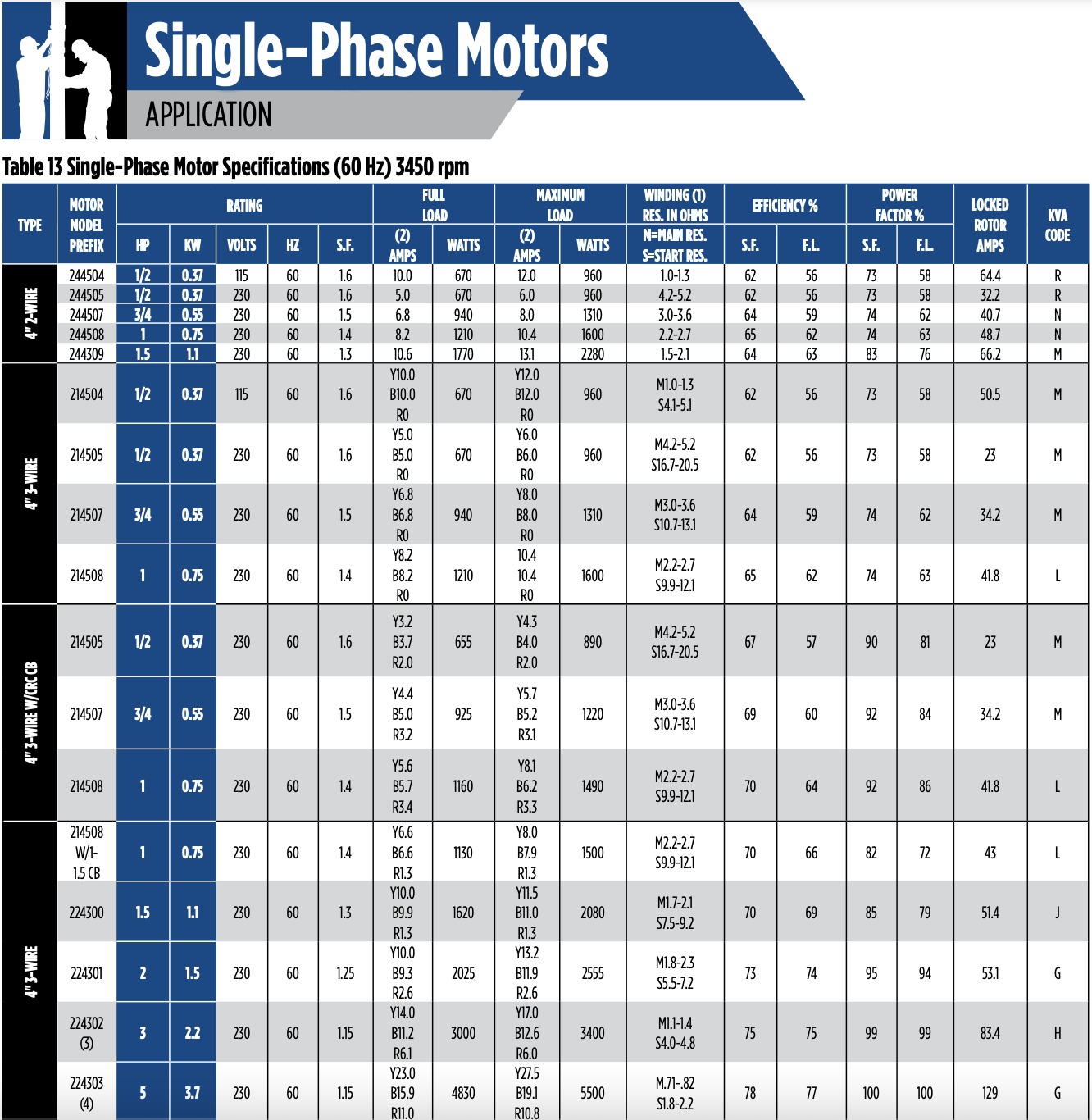
Alright, so how much are we talking here? Let's get down to brass tacks. The average well pump, usually around 1/2 to 1 HP, might use anywhere from 500 to 1500 watts when it's running. That sounds scary, but remember, it's not running 24/7.
Let's say you have a 1 HP pump that runs for about an hour a day. That's roughly 746 watts (because 1 HP equals 746 watts) x 1 hour = 746 watt-hours, or 0.746 kilowatt-hours (kWh). If your electricity costs, say, $0.15 per kWh, that's about $0.11 per day. Over a month, that's a little over $3. Not bad, right?
But! (There's always a but, isn't there?) If you're filling up a swimming pool, watering a massive lawn during a heatwave, or have a leaky faucet you've been meaning to fix for, oh, about a year now (guilty!), those costs can creep up. I once had a friend whose well pump was running constantly because of a tiny leak in her irrigation system. It cost her a fortune before she finally figured it out!
Tips to Save Energy (and Money!)
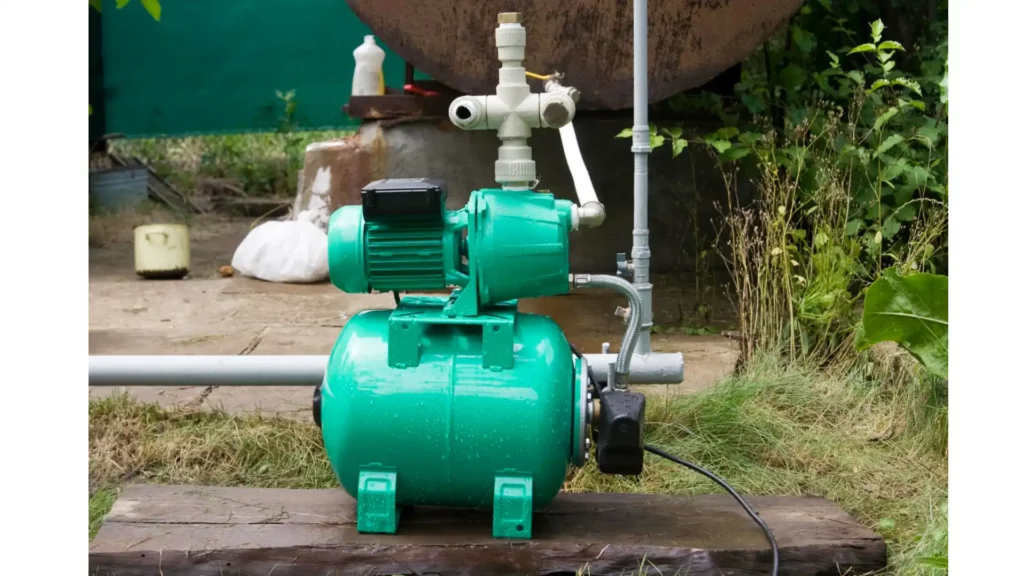
Want to keep your well pump from becoming an electric bill monster? Here are a few tricks:
- Conserve Water: This is the golden rule. Shorter showers, fix those leaky faucets, and water your lawn responsibly. Your wallet (and the environment) will thank you.
- Check Your Pump Regularly: Listen for unusual noises, and if you suspect something's wrong, call a professional. A little maintenance can prevent big, expensive problems down the road.
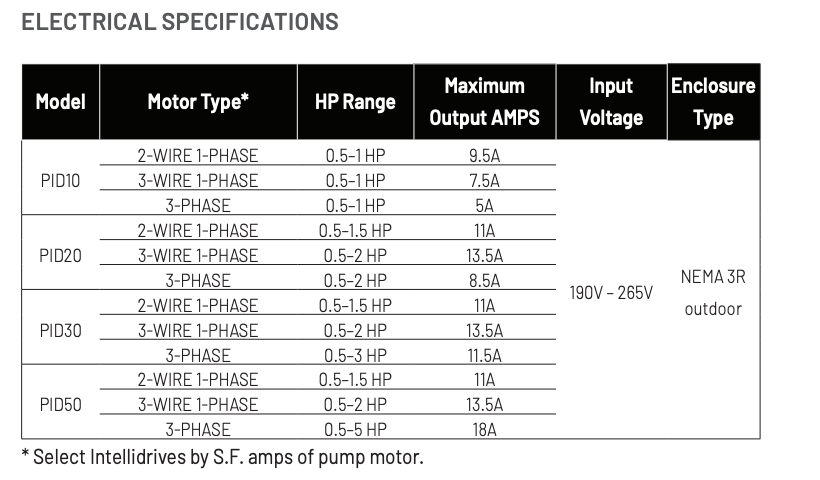
- Consider a Variable Frequency Drive (VFD): These fancy gadgets adjust the pump's speed to match your water needs, saving energy compared to a pump that's always running at full blast.
- Tank Size: Ensure you have the right sized tank that will reduce the pump starting and stopping.
So, there you have it! Your well pump: the unsung hero of your home's water supply. By understanding how much electricity it uses and taking a few simple steps to conserve, you can keep those water bills under control and continue enjoying those gloriously long showers (just maybe not quite as long!).