
How Much Electricity Does A Trickle Charger Use
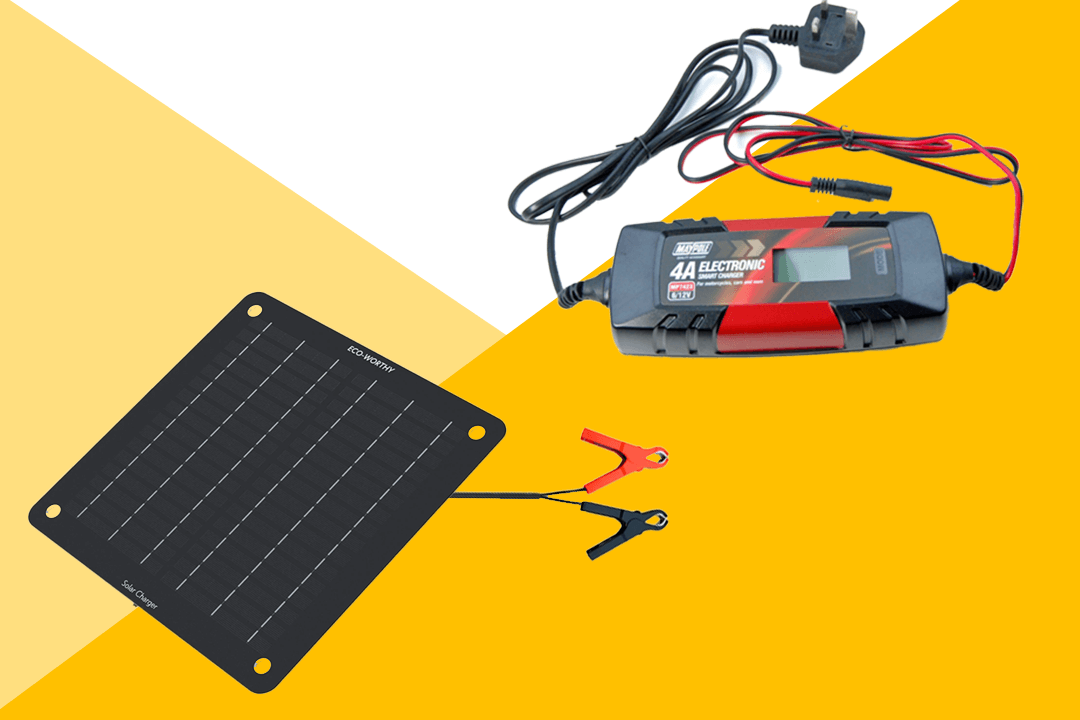
Hey there, battery buddy! Ever wonder if that little trickle charger you've got hooked up to your classic car (or maybe your riding lawnmower... no judgment!) is secretly plotting to bankrupt you with its electricity consumption? I mean, it's plugged in all the time, right?
Let's dive into the surprisingly un-scary world of trickle charger power usage. Don't worry, we'll keep the tech talk to a minimum. Think of it like explaining quantum physics with cats. Manageable, right?
The Milliamp Mystery: What's a Trickle, Anyway?
First things first, what is a trickle charger doing? Basically, it's like a very, very slow drip feed of electricity. Instead of blasting your battery with a firehose of volts (like a regular charger), it’s offering a gentle sip. A tiny top-up to keep things fresh. It fights the dreaded "self-discharge" that happens when batteries sit idle. Think of it as battery yoga – maintaining flexibility and preventing stiff joints!
Must Read
These chargers usually operate at a very low amperage – we're talking milliamp range (mA). That’s a thousandth of an amp. Seriously small. Why so small? Because you don’t want to overcharge the battery. That’s a recipe for battery explosion, which, let's be honest, would make for a terrible YouTube video.
Think of it like this: would you rather have a gentle massage or be pummeled by a professional wrestler? Your battery prefers the massage.

Decoding the Power Bill: How Much is "Little"?
Okay, so how does "milliamp" translate to actual money? Let's do some back-of-the-napkin math. (Warning: math ahead! But I promise, it's painless.)
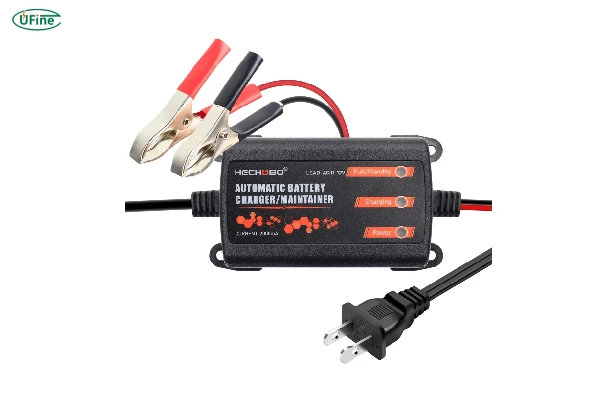
First, you need to know the charger's output. It'll be printed on the label somewhere. Let's say it's 500 mA (0.5 amps) at, say, 12 volts. To get watts (power), you multiply amps by volts: 0.5A x 12V = 6 watts. Not a lot, right? Like, less than a nightlight.
Next, we need to figure out how many hours are in a year (spoiler alert: it's 8,760!). Multiply those 6 watts by 8,760 hours: 6W x 8760h = 52,560 watt-hours. To get kilowatt-hours (kWh), which is what you're billed for, divide by 1000: 52,560 Wh / 1000 = 52.56 kWh. Ta-da!
Now, check your electricity bill for the cost per kWh. Let’s pretend it’s $0.15 per kWh. Multiply 52.56 kWh by $0.15: 52.56 kWh x $0.15 = $7.88.
So, a trickle charger running 24/7, 365 days a year would cost you... drumroll please... roughly $7.88 annually! That’s, like, two fancy coffees. Maybe.
The "But Wait, There's More!" Factor
Now, before you run off and leave every battery in your house on a trickle charger (please don't!), there are a few little caveats to consider. Because, you know, life isn't quite that simple.
- Charger Efficiency: Some chargers are more efficient than others. Cheaper chargers might waste some electricity as heat. Look for chargers with an "Energy Star" rating. It's like a gold star for being environmentally friendly... and wallet-friendly!
- Battery Condition: A very old or damaged battery might require more "trickle" than a healthy one. If your battery is constantly demanding a charge, it might be time for a replacement.
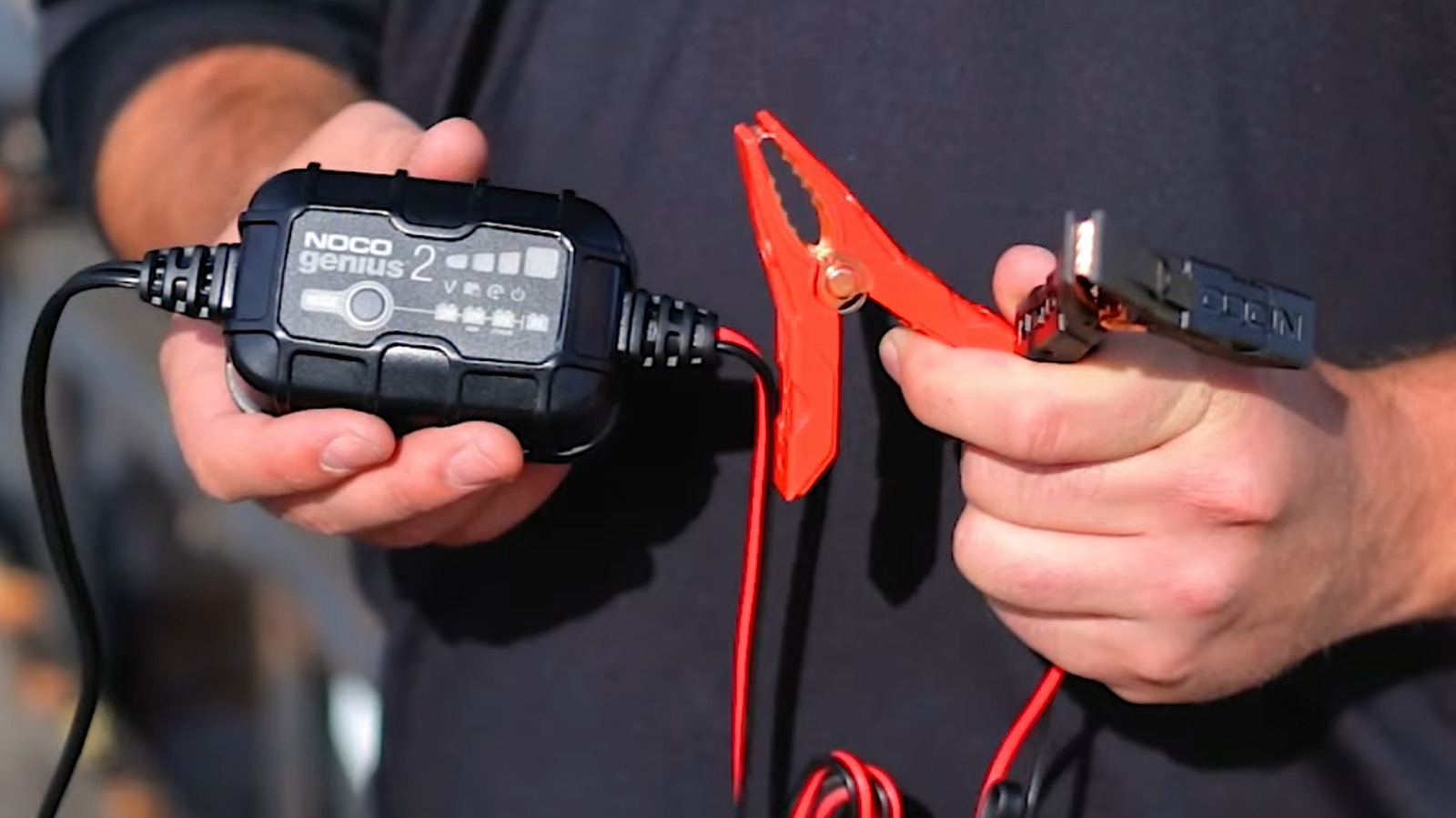
- The "It's Not Always On" Factor: Most modern trickle chargers are actually "smart" chargers. They monitor the battery's voltage and only kick in when needed. So, your actual usage might be even less than our calculations. Bonus!
The Verdict: Go Forth and Trickle!
So, there you have it. Trickle chargers are generally pretty cheap to run. They’re not going to be the reason you can’t afford that yacht you’ve been eyeing (sorry!). The convenience of keeping your batteries topped off and ready to go usually outweighs the minimal cost.
Just remember to use a good quality charger, keep an eye on your batteries, and enjoy the peace of mind knowing your gadgets are always ready for action. Now, go forth and trickle… responsibly!
