
How Much Electricity Does A Solar Panel Produce
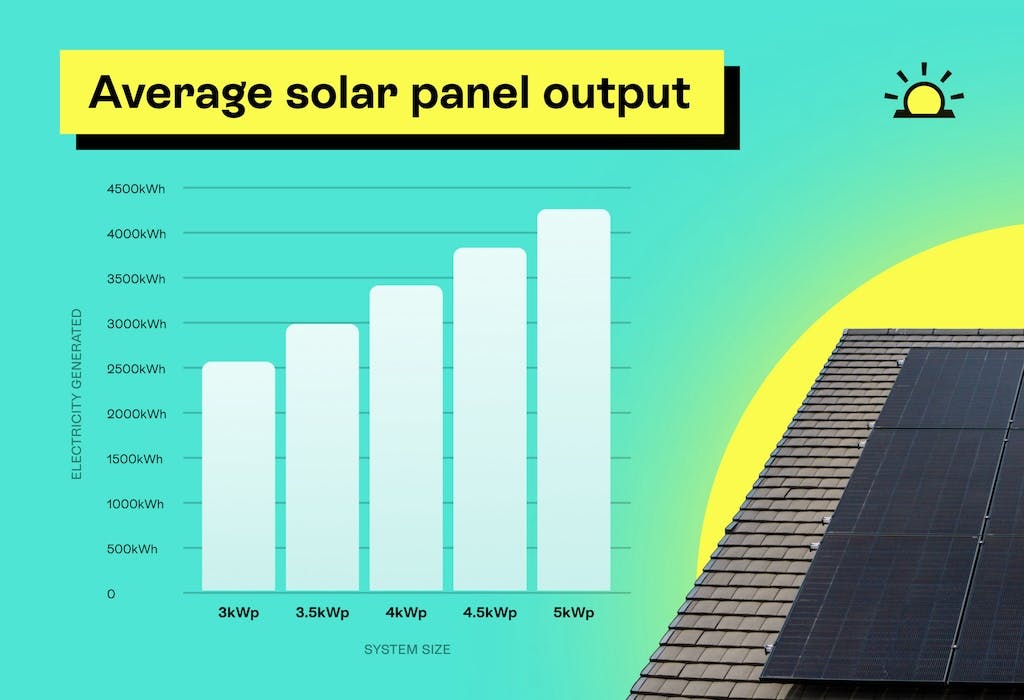
Okay, let's talk about solar panels! Ever wondered how much juice these sunshine-sipping rectangles actually produce? It's a question that pops up more often than you think, especially as more and more of us are looking to ditch those pesky electricity bills and embrace a greener lifestyle. No technical jargon here, promise. We'll keep it simple, relatable, and maybe even sprinkle in a chuckle or two.
Understanding the Basics: Watts are Where it's At
First things first, let's talk about watts. Think of a watt as a measure of electrical oomph. Light bulbs use watts (remember those old 60-watt incandescent bulbs?), and so do solar panels. A standard solar panel you might find on a rooftop typically produces between 250 to 400 watts.
Now, don't get bogged down in the numbers! Just remember that higher wattage generally means more electricity produced.
Must Read
It's Not Just About the Panel: The Sunshine Factor
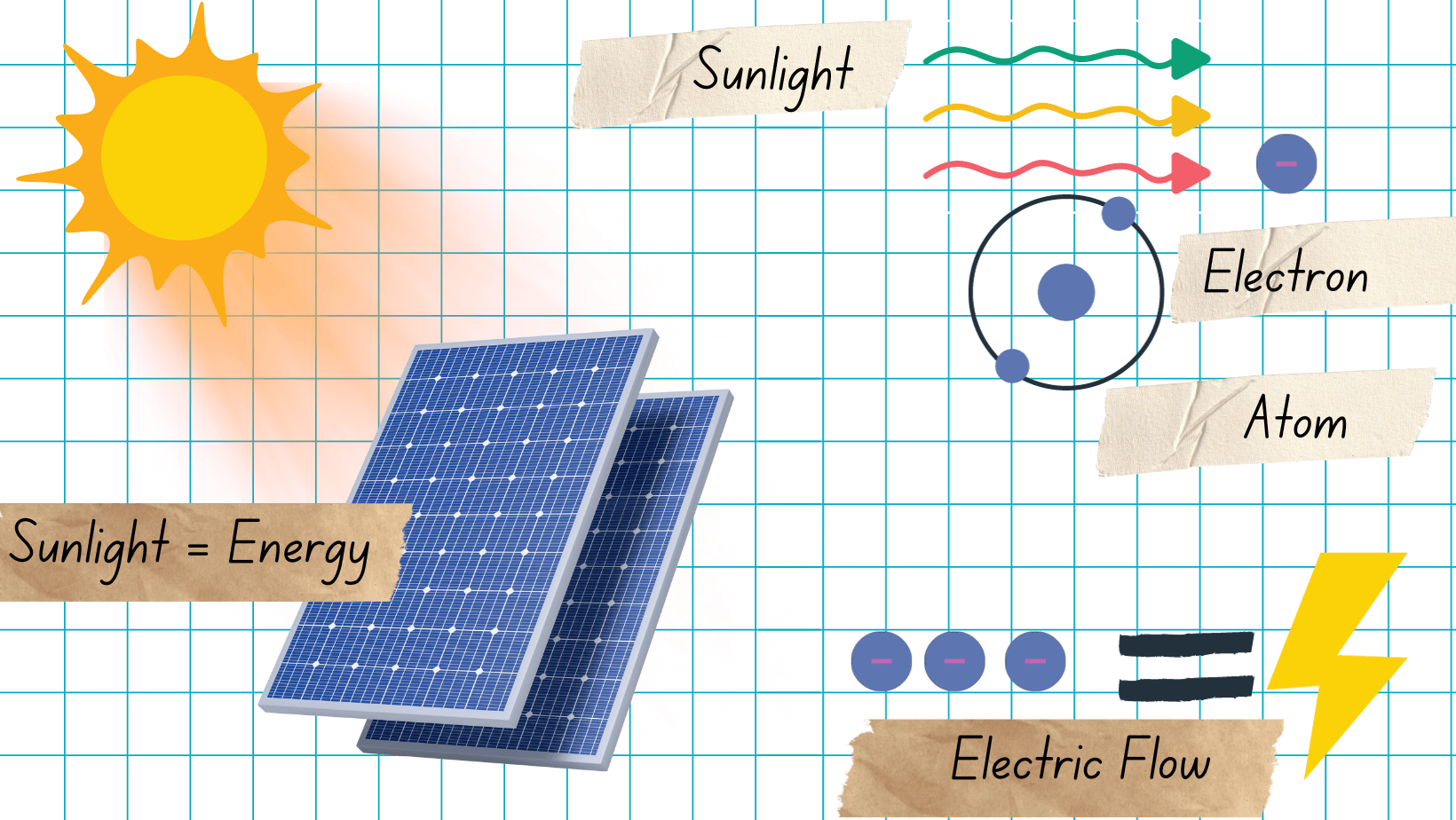
Here’s the thing: a solar panel's wattage is like a car's horsepower. It tells you the potential output, not necessarily the actual output. Just like a car's speed depends on the road and the driver, a solar panel's electricity production depends on… you guessed it, the sun!
A panel rated at 300 watts won't always produce 300 watts. On a bright, sunny day at noon? Absolutely, it might even exceed that! But on a cloudy day? Maybe only a fraction of that. Think of it like trying to bake cookies in the dark. Not gonna happen, right?
The amount of sunlight your location receives – often called "solar irradiance" – is a huge factor. Someone in sunny Arizona will get far more electricity from the same panel than someone in perpetually cloudy Seattle. No surprise there!
So, How Much Actual Electricity Are We Talking?
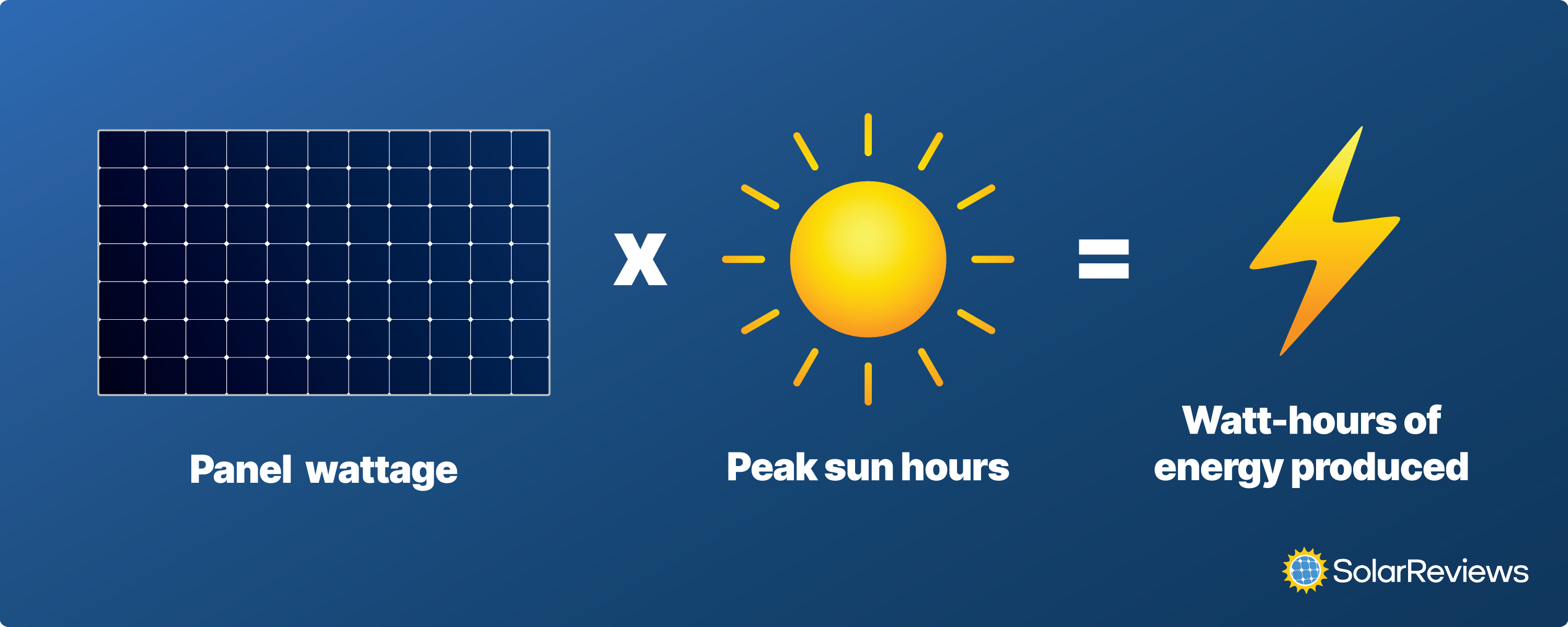
Okay, let's get a bit more concrete. To figure out the daily electricity production, we need to factor in something called "peak sun hours." This is essentially the number of hours each day that your location receives sunlight at its full intensity.
![How much electricity do solar panels produce? [UK, 2025]](https://images.prismic.io/sunsave-website/Z64Jh5bqstJ9-lRu_Cutyourenergybillswithsolar-final-.png?auto=format%2Ccompress&fit=max&w=3840)
For example, let's say you have a 300-watt panel and your location gets an average of 5 peak sun hours per day. To estimate the daily production, you simply multiply: 300 watts * 5 hours = 1500 watt-hours, or 1.5 kilowatt-hours (kWh). kWh is what your electricity bill uses to measure your usage.
Think of 1.5 kWh as enough to power a refrigerator for about a day, or to watch your favorite TV show for several hours. Not bad for just soaking up some sunshine!
Why Should You Care? (Besides Saving Money!)
Okay, so understanding the electricity output of a solar panel might seem a little nerdy. But hear me out! Knowing this stuff can empower you to make smarter decisions. Here’s why:
- Save Money: Obviously! The more electricity your panels produce, the less you have to buy from the utility company. Imagine using that extra cash for, say, a weekend getaway.
- Reduce Your Carbon Footprint: Solar energy is clean energy. By using solar panels, you're helping to reduce your reliance on fossil fuels and contribute to a healthier planet. High five!
- Increase Your Home's Value: A home with solar panels is an attractive selling point to many buyers. It shows you're forward-thinking and environmentally conscious.
- Be More Self-Sufficient: Imagine the peace of mind knowing you're generating your own electricity, especially during power outages. You become less reliant on the grid and more in control.
Beyond a Single Panel: Thinking Bigger
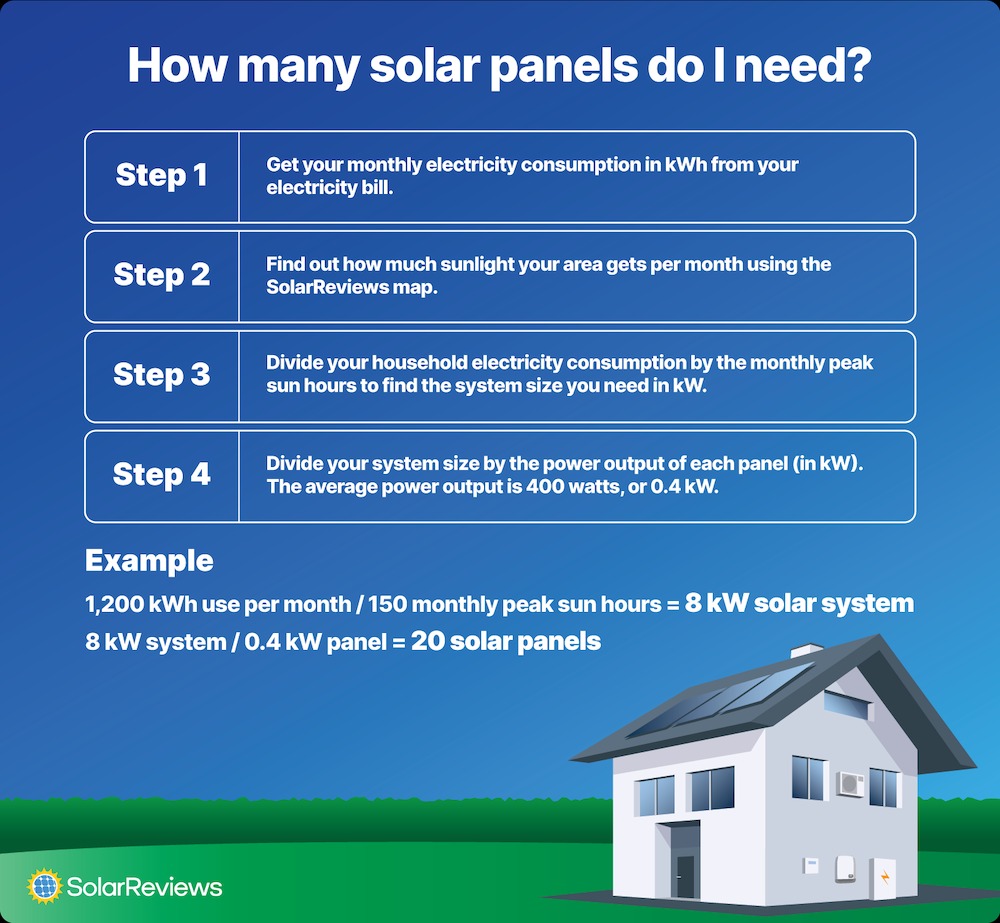
Of course, one solar panel usually isn't enough to power an entire house. That's where solar panel systems come in. By combining multiple panels, you can generate a significant amount of electricity.
A typical residential solar system might consist of 10 to 20 panels, generating enough electricity to offset a large portion of your home's energy consumption. Pretty cool, huh?
The Takeaway: Sunshine is Power!
So, how much electricity does a solar panel produce? The answer depends on a variety of factors, including the panel's wattage, the amount of sunlight your location receives, and the efficiency of the panel itself. But hopefully, you now have a better understanding of the basics and why it matters.
Ultimately, embracing solar energy is about more than just saving money; it's about investing in a cleaner, more sustainable future. And who knows, maybe you'll even inspire your neighbors to join the sunshine revolution! Isn't that a bright thought?