How Much Electricity Does A Solar Panel Make
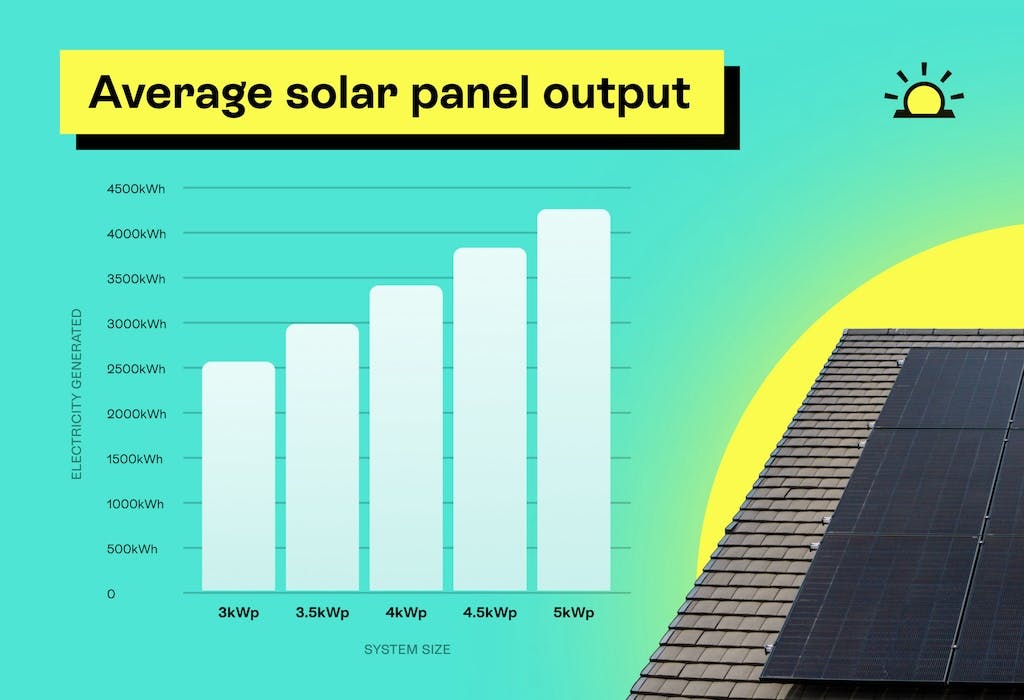
Ever looked at a shiny solar panel glinting in the sun and wondered, "Just how much juice does that thing actually make?" Well, buckle up, buttercup, because we're about to dive into the electrifying world of solar power and demystify the energy-generating capabilities of those sun-soaking rectangles!
Decoding Solar Panel Output: It's Not Magic (But It's Close!)
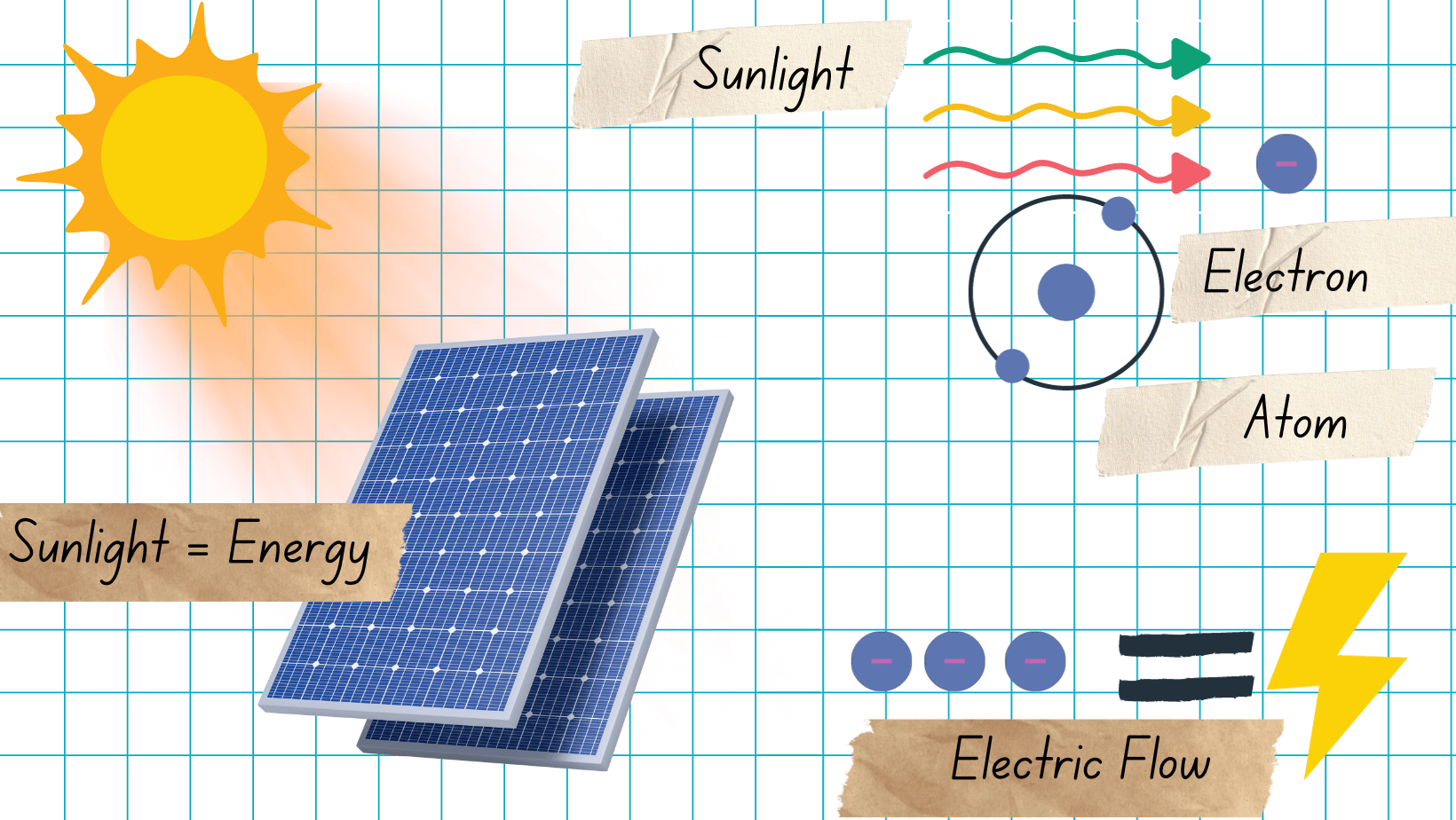
First things first, let's ditch the wizardry and embrace the science (but keep the sense of wonder, okay?). Solar panel output isn't some fixed, unchangeable number. It's more like a recipe – the ingredients (sunlight, panel size, temperature, etc.) all contribute to the final dish (electricity!).
A typical residential solar panel (the kind you'd see on a house) usually boasts a wattage rating between 300 and 400 watts. Think of "watts" as the unit of power the panel can produce under ideal conditions. That’s like saying your car can go 150 mph… on a racetrack, with a professional driver, and a tailwind. Real-world scenarios are often a bit different.
Must Read
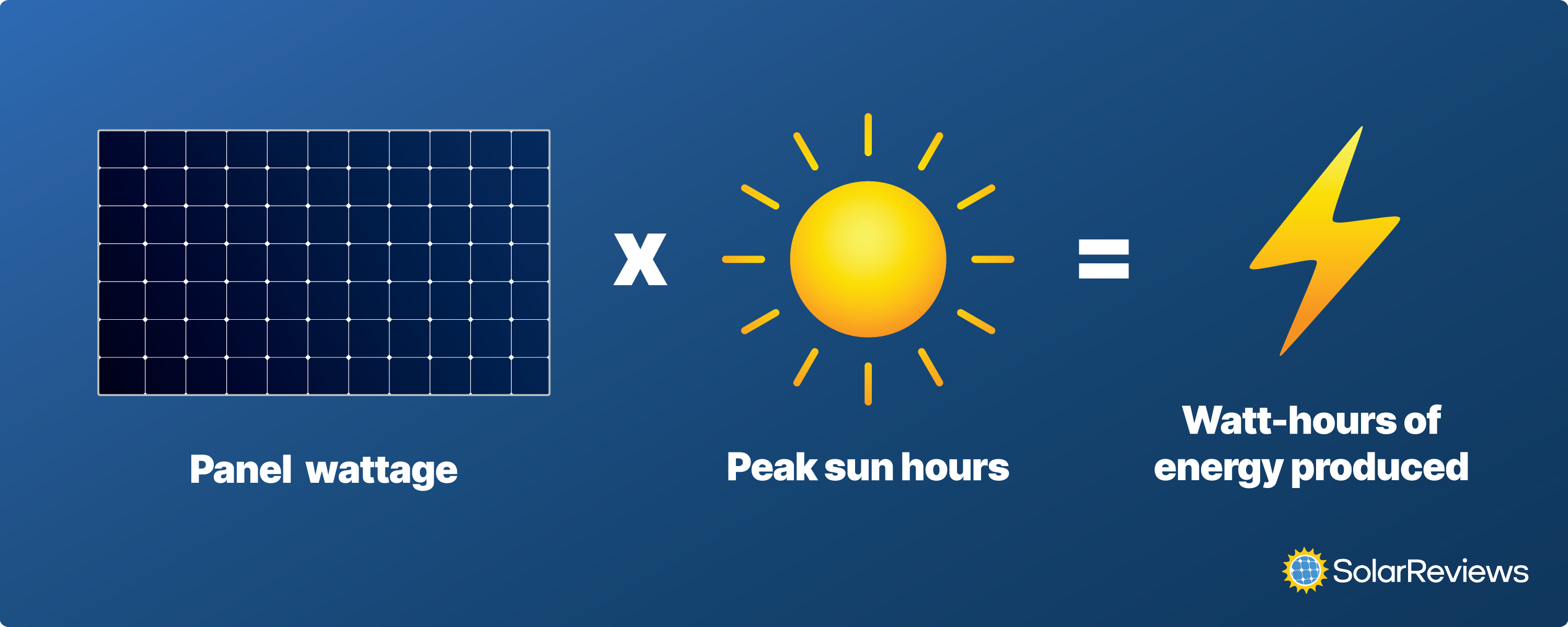
But here's the fun part: those watts only tell part of the story! We need to consider how long the sun shines (the "sunshine hours") to figure out the actual energy produced. This is where kilowatt-hours (kWh) come into play. A kilowatt-hour is simply 1,000 watts operating for one hour. Think of it as the "meal" rather than just the "ingredient."
Sunshine Math: Turning Watts into Real Energy
Let's say you have a 350-watt solar panel, and you live in a place that gets an average of 5 hours of good, strong sunshine per day (lucky you!). Here’s the super-simplified math:
350 watts x 5 hours = 1750 watt-hours per day
1750 watt-hours / 1000 = 1.75 kilowatt-hours (kWh) per day
So, that single solar panel could generate about 1.75 kWh of electricity each day. Not bad, huh? Of course, things get more complex when you consider things like shading, panel angle, and temperature, but this gives you a good ballpark figure.
Putting it into Perspective: Powering Your Life
Now, what can you actually do with 1.75 kWh of electricity? Well, that depends on what you're trying to power! Here's a glimpse into the possibilities:
- Run your refrigerator for almost an entire day! (Most refrigerators use around 1-2 kWh per day).
- Watch your giant, energy-guzzling TV for a glorious 10-15 hours. (Depending on the TV size and type).
- Keep your lights on for ages. (LED bulbs are super energy-efficient).
- Charge your phone and laptop until the cows come home (and probably after that, too!).
Of course, you'll likely need more than one solar panel to power your entire home. That's why people install solar panel systems, which are essentially a bunch of panels working together to generate a significant amount of electricity. A typical residential solar system might consist of 10-20 panels, producing enough energy to offset a large portion (or even all!) of your electricity bill.
Beyond the Basics: Factors Affecting Solar Panel Output
Remember, solar panel output is a dynamic thing. Here are a few factors that can impact how much electricity your panels actually generate:
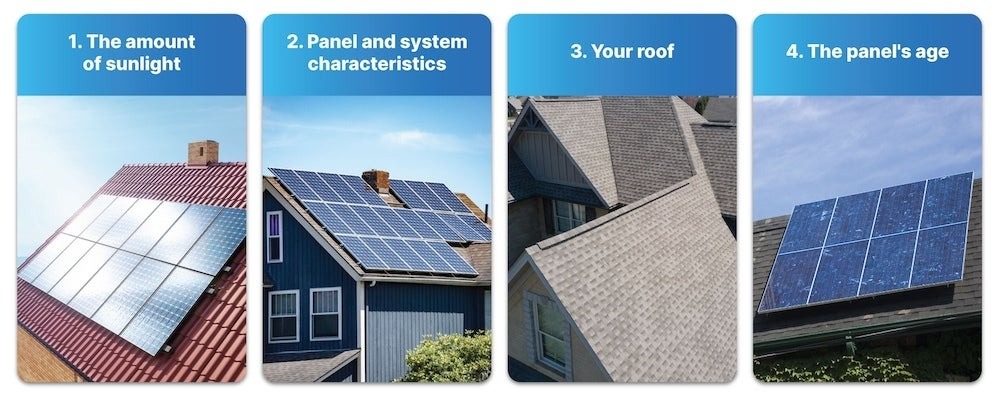
- Sunlight: This is the big one! More sunlight equals more power. Cloudy days? Expect less output.
- Panel Angle and Orientation: Ideally, your panels should be angled and oriented to maximize sunlight exposure throughout the day. Think of it like sunbathing - you want to position yourself to soak up those rays!
- Temperature: Surprisingly, solar panels can become less efficient when they get too hot. It's a bit counterintuitive, but it's true!
- Shading: Even a little bit of shade can significantly reduce a panel's output. Trees, buildings, even a stray bird can cast a shadow and impact performance.
- Panel Quality: Just like anything else, not all solar panels are created equal. Higher-quality panels tend to be more efficient and durable.
"The best time to plant a tree was 20 years ago. The second best time is now." – Chinese Proverb (and a perfect analogy for going solar!)
So, there you have it! A simplified, yet hopefully enlightening, look at how much electricity a solar panel makes. It's not quite as simple as "sun in, power out," but with a little understanding of the key factors, you can get a good grasp of the potential energy-generating capabilities of those amazing solar panels. Who knows, maybe you'll be inspired to join the solar revolution yourself!