
How Much Electricity Does A Small Space Heater Use

Ever wonder what those cozy blasts of warmth from your space heater actually cost you? It's a question that deserves some digging, right? Let's unravel the mystery of how much electricity a small space heater drinks up.
Decoding the Wattage Wonder
First, let's talk wattage. Most small space heaters hover around the 1500-watt mark. Think of watts as the heater's hunger for electricity. The higher the wattage, the hungrier it is!
Now, that 1500-watt figure isn't the whole story. Some heaters have different settings, like low, medium, and high. Each setting affects the amount of power it gulps.
Must Read
A lower setting means fewer watts are used. A higher setting cranks up the heat and the electrical consumption.
Calculating the Cost: It's Easier Than You Think!
Ready for some simple math? Don't worry, it's not scary! We'll break it down step by step.
You need to know the cost of electricity in your area. Check your electricity bill. It's usually listed as cents per kilowatt-hour (kWh).
Let's say your electricity costs 15 cents per kWh. That means for every 1000 watts (a kilowatt) you use for an hour, it costs you 15 cents.
Now, remember our 1500-watt space heater? That's 1.5 kilowatts. To find the hourly cost, multiply 1.5 kWh by your cost per kWh.
So, 1.5 kWh x $0.15 = $0.225. That means it costs you about 22.5 cents per hour to run your space heater at full blast! Not bad, right?
Factors That Affect Your Bill
Hold on! There are a few sneaky factors that can change things. The first is the thermostat.
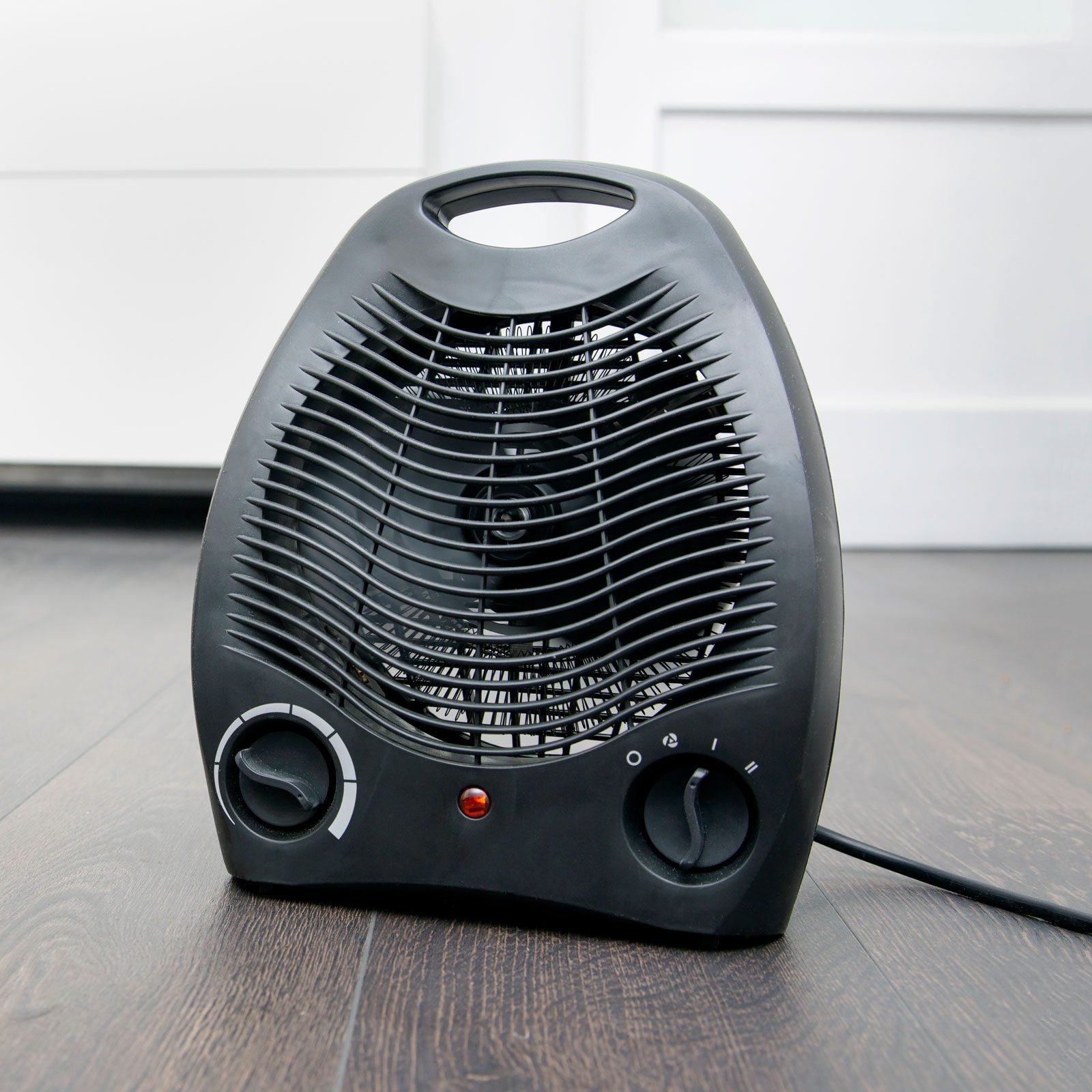
Most space heaters have a thermostat. This little device regulates the temperature. It turns the heater on and off to maintain a set warmth.
If the thermostat is set low, the heater won't run constantly. This means less electricity is used overall. Set it high and it works longer and more frequently!
Another factor is how well-insulated your room is. A poorly insulated room loses heat quickly. The space heater will have to work harder (and longer) to keep it warm.
Cracks around windows and doors are heat-escape artists. Seal them up to save energy (and money)! It will improve how efficient your space heater is!
The type of space heater also matters. Some models are more energy-efficient than others.
Different Types of Space Heaters and Their Consumption
There's a whole world of space heaters out there! Ceramic heaters, oil-filled radiators, and fan-forced heaters are just a few examples.
Ceramic heaters are popular for their quick heating. They use a ceramic heating element to warm the air.
Oil-filled radiators heat up slowly. But they retain heat for a long time. This can save energy in the long run.
Fan-forced heaters use a fan to circulate warm air. They heat up quickly but can be a bit noisy. This can sometimes mean they consume more.
Infrared heaters directly heat objects and people. They're often considered more energy-efficient. They don't waste energy heating the air.
Consider the size of your room when choosing a heater. A small heater might struggle to warm a large space. A larger heater can waste energy in a small room.
Tips for Saving Energy (and Money!)
Okay, let's get down to the good stuff: saving money! There are several simple ways to reduce your space heater's electricity consumption.
First, use the thermostat wisely. Don't crank it up to the max. Set it to a comfortable temperature and let it do its job.
Second, close doors and windows. This keeps the heat from escaping. It also makes your space heater work less.
Third, consider using a programmable thermostat. These thermostats automatically adjust the temperature. They can lower the heat when you're not in the room.

Fourth, dress warmly! Wear layers of clothing. This allows you to lower the thermostat even further.
Fifth, only heat the room you're using. Don't waste energy heating empty rooms.
Sixth, make sure your space heater is in good working condition. Clean it regularly. A dirty heater can be less efficient.
Seventh, consider investing in a more energy-efficient model. Look for heaters with the Energy Star label. This indicates that they meet certain efficiency standards.
Eighth, think about supplemental heat. Use a heated blanket or a hot water bottle. These can provide localized warmth. They don't use as much electricity as a space heater.
The Entertainment Factor
Okay, so maybe electricity bills aren't always the most thrilling topic. But understanding how your space heater works can be oddly satisfying.
It's like being a detective, unraveling the mystery of energy consumption. You're empowered to make informed decisions.

Plus, there's a certain joy in finding ways to save money. It's like a little victory over the energy company.
And let's be honest, who doesn't love a cozy, warm room on a chilly day? A space heater can be a lifesaver. Just use it wisely!
Thinking about how much that heat actually costs can be a surprisingly interesting exercise. So, grab your calculator, check your bill, and get ready to do some energy sleuthing!
You might be surprised at what you discover! You may start to think different about the electricity. It’s a whole new world to discover and it starts with something small like the space heater!
Who knew that a little space heater could be so educational...and maybe even a little bit entertaining?
The Bottom Line
So, how much electricity does a small space heater use? It depends! It depends on the wattage, the thermostat setting, the insulation, and more.
But with a little bit of knowledge and some simple strategies, you can keep your home cozy and your electricity bill under control.
Happy heating (and saving)! Now go forth and conquer the cold (responsibly)!