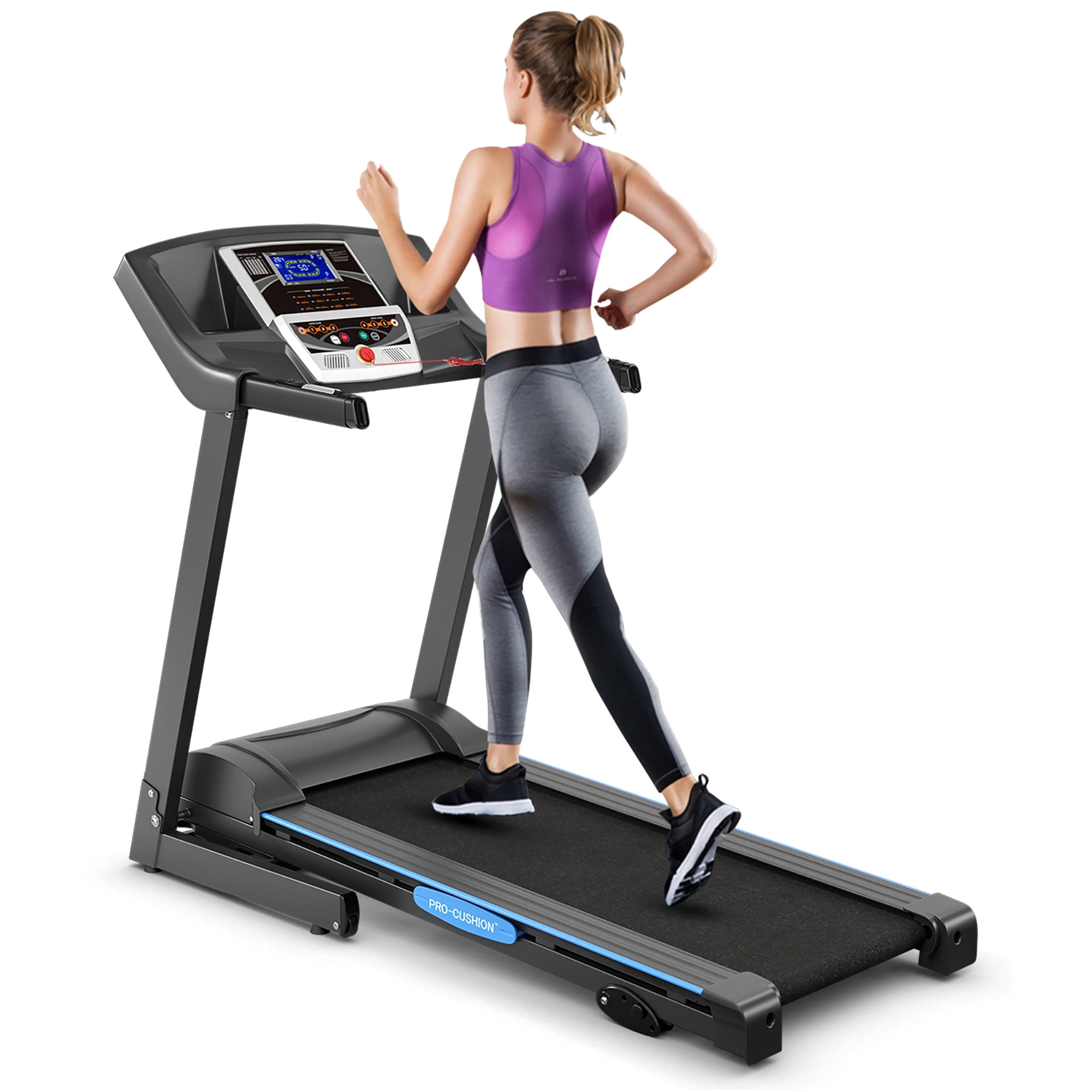
How Much Electricity Does A Running Machine Use
Alright, gather 'round, fitness fanatics and couch potatoes alike! Let's talk about something vital to our (sometimes reluctant) pursuit of health: running machines. Specifically, how much electricity these glorious, sweat-inducing contraptions actually suck down. Are we talking "minor inconvenience to your power bill" or "enough to power a small country"? Let's find out!
First, let's dispel any myths. Running machines aren't secretly powered by hamsters on tiny treadmills. Though, wouldn't that be eco-friendly? And hilarious? No, they rely on good ol' fashioned electricity. The amount, however, depends on a few things, more than whether you're running like a caffeinated cheetah or a slightly winded sloth.
The Watt's Up: Understanding the Basics
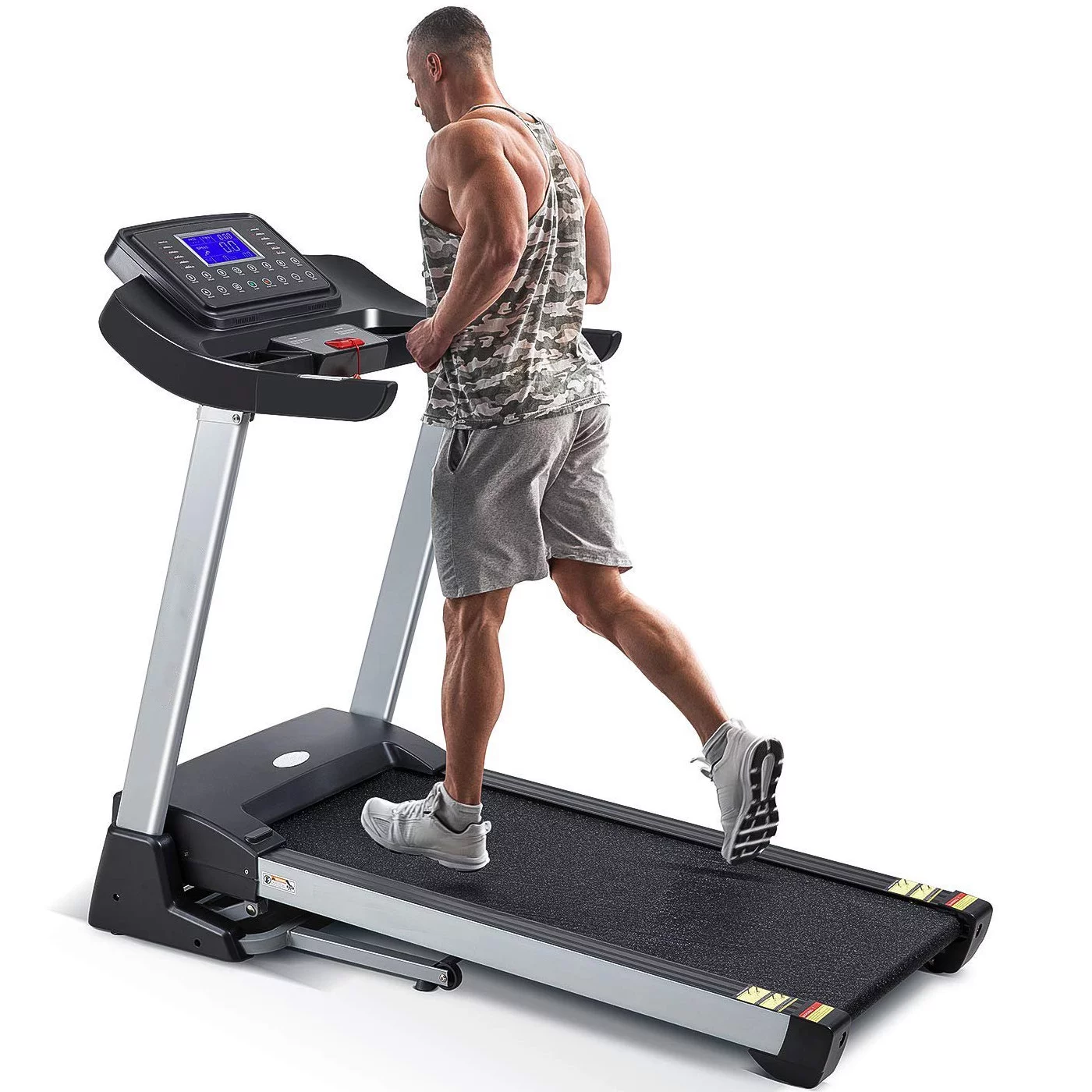
To get down to brass tacks, we need to talk about watts. Think of watts like the tiny electrical calories your running machine burns. A watt is a unit of power, and the more powerful your machine, the more watts it'll gobble up. Most home treadmills range from 300 to 700 watts. Commercial grade treadmills, the behemoths you find at gyms, can easily guzzle 1500 watts or more. That’s a lot of electrical hamsters!
Must Read
Now, here's where it gets a bit math-y, but don't worry, I promise it won't involve complex calculus. To figure out the cost, we need to convert watts to kilowatt-hours (kWh). A kilowatt is simply 1000 watts. So, a 500-watt treadmill is 0.5 kilowatts. Easy peasy!
Next, we multiply the kilowatt rating by the number of hours you use the machine. If you run for an hour on that 0.5 kW treadmill, you've used 0.5 kWh of electricity. Then, you just multiply that by the cost of electricity in your area (check your electricity bill – it’s usually measured in cents per kWh). Voila! You have the cost of your workout. It's practically free...ish.

Factors Affecting Electricity Consumption
Okay, so we've covered the basics, but it's not quite as simple as "all treadmills use the same amount of power." Oh no, my friends, there's more! Like with most things in life, it's complicated. Here are some key factors that influence how much juice your running machine is drinking:
- Motor Size: Bigger motor = More power. Think of it like the engine in a car. A minivan needs a bigger engine than a tiny smart car, right? Same principle.
- Incline: Running uphill is tough, even for treadmills! Cranking up the incline forces the motor to work harder, thus using more electricity. Consider it a surcharge for your masochistic tendencies.
- Speed: The faster you go, the harder the motor works. Unless you're somehow levitating above the belt, the treadmill is using electricity to keep up with your Usain Bolt aspirations.
- Your Weight: Sorry, but it's true. A heavier person requires the motor to exert more effort. It’s simple physics, like when you try to carry all the groceries at once and end up dropping the carton of eggs.
- Treadmill Age & Condition: An old, poorly maintained treadmill will be less efficient and might use more power than a newer model. Think of it like an old car with a sputtering engine.
The Cost of Cardio: Real-World Examples
Alright, enough theory! Let’s get practical. Let's say electricity costs you 15 cents per kWh (a pretty typical rate). Using our 500-watt (0.5 kW) treadmill for 30 minutes (0.5 hours) would cost:
0. 5 kW * 0.5 hours * $0.15/kWh = $0.0375
That's right, less than four cents! You could probably find more money than that stuck in your couch cushions. However, if you're a marathon runner training for hours every day, those cents can add up. A daily 2-hour run could cost you around 30 cents, which translates to about $9 a month. Not exactly breaking the bank, but something to consider.

Now, let's imagine you’re a gym owner with a fleet of industrial-strength treadmills running all day. Those numbers start to get real. Keeping those machines going could add a significant chunk to your monthly electricity bill. Maybe that’s why gym memberships are so expensive! (Just kidding... mostly.)
Tips for Saving Energy (and Money!)
So, you want to be an eco-conscious exerciser? Excellent! Here are a few tips to minimize your treadmill's energy consumption:
- Keep it Clean: Regularly clean and lubricate your treadmill belt to reduce friction and make the motor work less hard. Think of it as giving your treadmill a spa day.
- Unplug When Not in Use: Even when turned off, some treadmills still draw a small amount of power (vampire power!). Unplugging it completely eliminates this. It's like staking a tiny, electrical vampire.
- Consider a Manual Treadmill: For the truly hardcore (and electricity-averse), a manual treadmill requires no electricity at all! You are the motor! Just be prepared for a serious workout.
- Shorten Your Workouts (Maybe?): Okay, this one might be controversial, but shorter workouts mean less electricity used. Or, you could just run outside. Fresh air! Sunshine! The possibility of being chased by a squirrel!
In conclusion, while running machines do use electricity, the cost is usually pretty minimal for the average home user. So, don't let the fear of a sky-high electricity bill stop you from achieving your fitness goals. Just remember to unplug when you're done, and maybe give that manual treadmill a try... if you dare!