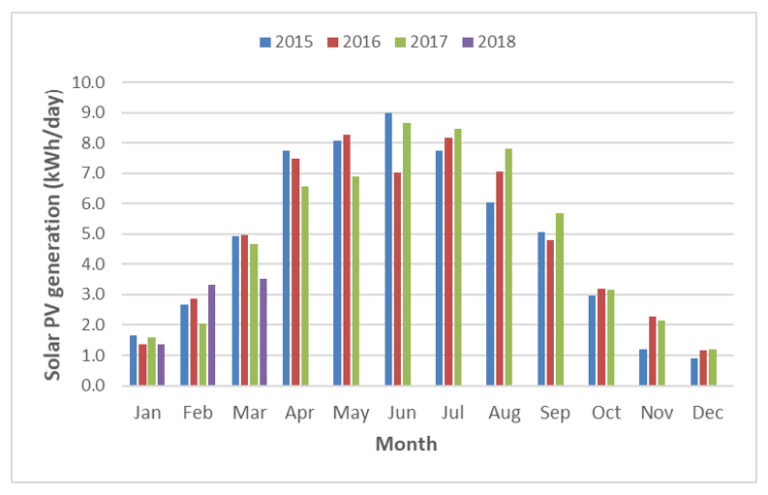
How Much Electricity Does A Pv Panel Produce
Okay, picture this: sunshine beaming down, birds chirping, and your roof – yes, your very own roof – quietly churning out electricity. Sounds like a superhero origin story, right? Well, it's actually the magic of solar panels, or PV (photovoltaic) panels if you're feeling fancy. But how much juice can these sun-soaking slabs actually generate? Let's dive in!
So, what's the big number? Generally, a typical solar panel, let's say one you'd find on a residential rooftop, produces around 300 to 400 watts of power under ideal conditions. Think bright, direct sunlight and a cool panel temperature. (And who doesn't love ideal conditions?!)
But hold on! That's just a snapshot. Electricity production varies. Factors like the panel's size, its efficiency, its angle to the sun, and even the weather all play a part. Think of it like baking a cake – you need all the ingredients in the right amounts, and even the oven temperature matters. Solar panels are similar.
Must Read
Decoding the Wattage: It's All Relative!
Okay, 300-400 watts… what does that actually mean? Well, let’s put it into context. Imagine you have a standard 100-watt incandescent light bulb (remember those?). One solar panel could technically power 3-4 of those bulbs simultaneously under perfect conditions. But that's not really how we use power in our homes, is it?
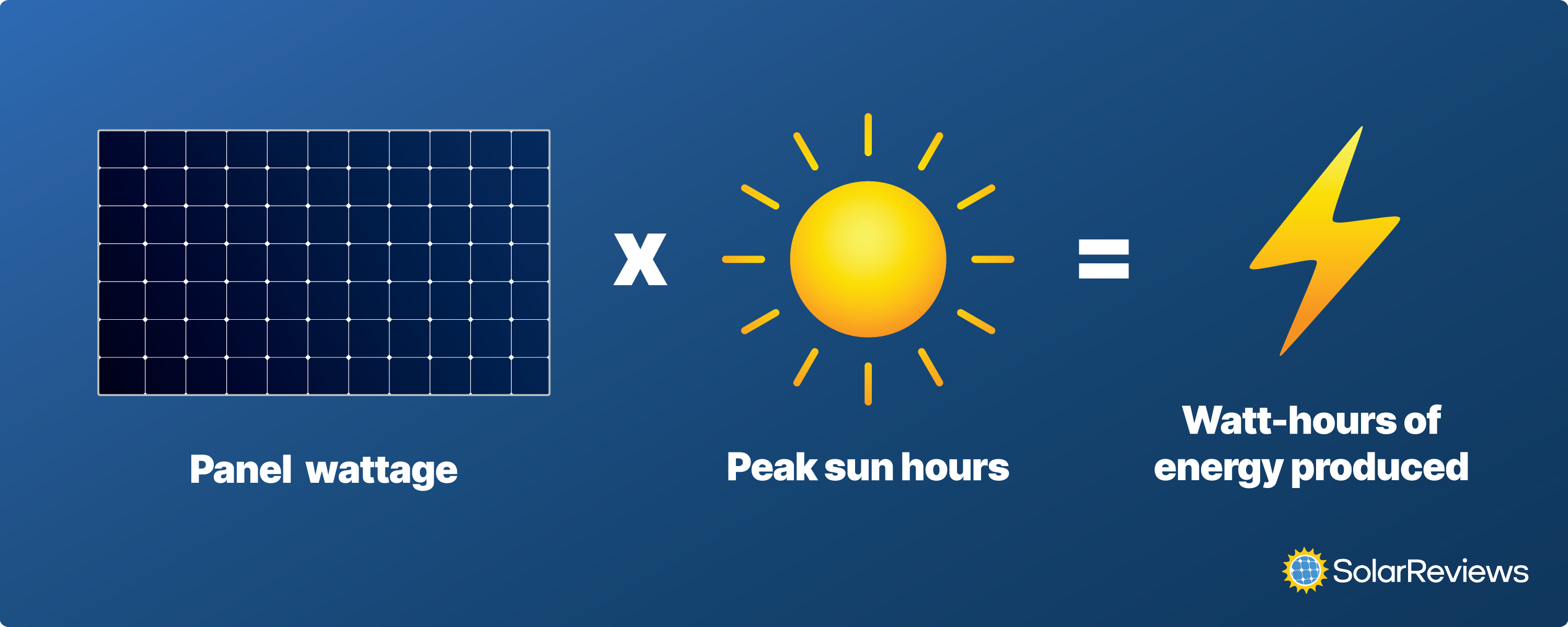
Let's think about daily usage. A typical home in the US uses around 28 kWh (kilowatt-hours) of electricity per day. That's a lot! Now, one panel producing, say, 350 watts for 6 hours a day (prime sunlight hours) generates about 2.1 kWh (0.35 kW x 6 hours). So, you'd need quite a few panels to cover all your electricity needs. Don't let that discourage you though!
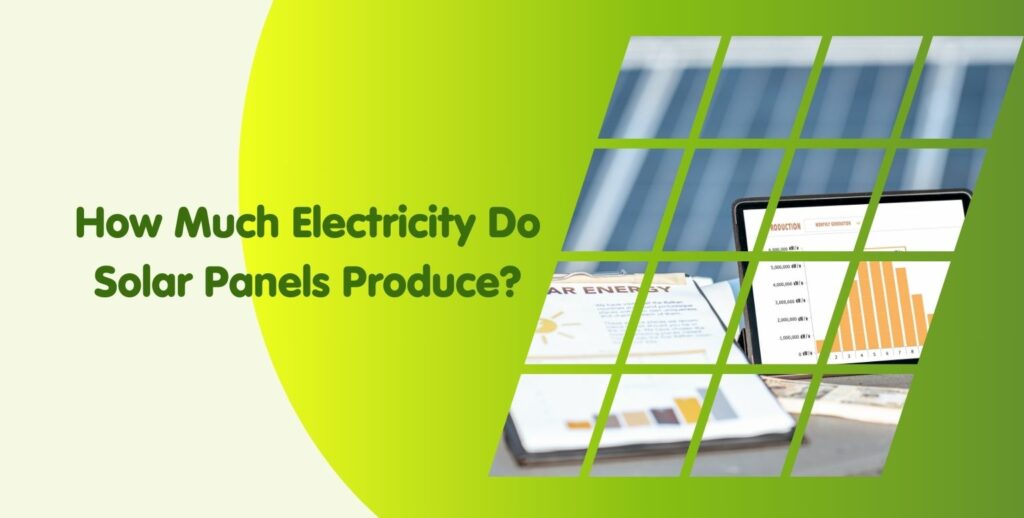
Think of it like this: one panel is a stepping stone. It’s a contribution, not the whole solution (unless you live in a tiny, super-efficient house, in which case, bravo!).
Factors That Tweak the Output (Prepare for Science!)
Okay, a little deeper dive! What are the main things that mess with our ideal 300-400 watt scenario?
- Sunlight Intensity: This is a no-brainer. The stronger the sunlight, the more power. Cloudy days are the nemesis of solar power. But even on a slightly overcast day, your panels will still generate some electricity.
- Panel Temperature: Surprisingly, solar panels perform better when they're cool. Hot panels are less efficient. (Who knew?) This is why proper ventilation around your panels is important.
- Panel Angle and Orientation: The angle at which sunlight hits the panel matters. You want the sun's rays to be as perpendicular to the panel surface as possible. That's why professional installers carefully calculate the optimal angle and direction for your location.
- Panel Efficiency: Not all panels are created equal. Some are more efficient at converting sunlight into electricity than others. Higher efficiency panels cost more but generate more power from the same amount of sunlight.
- Shading: Trees, buildings, even that pesky satellite dish – anything that casts a shadow on your panels will reduce their output.
So, How Many Panels Do You Need?
Ah, the million-dollar question! (Okay, maybe just a few-thousand-dollar question.) To figure this out, you need to consider:
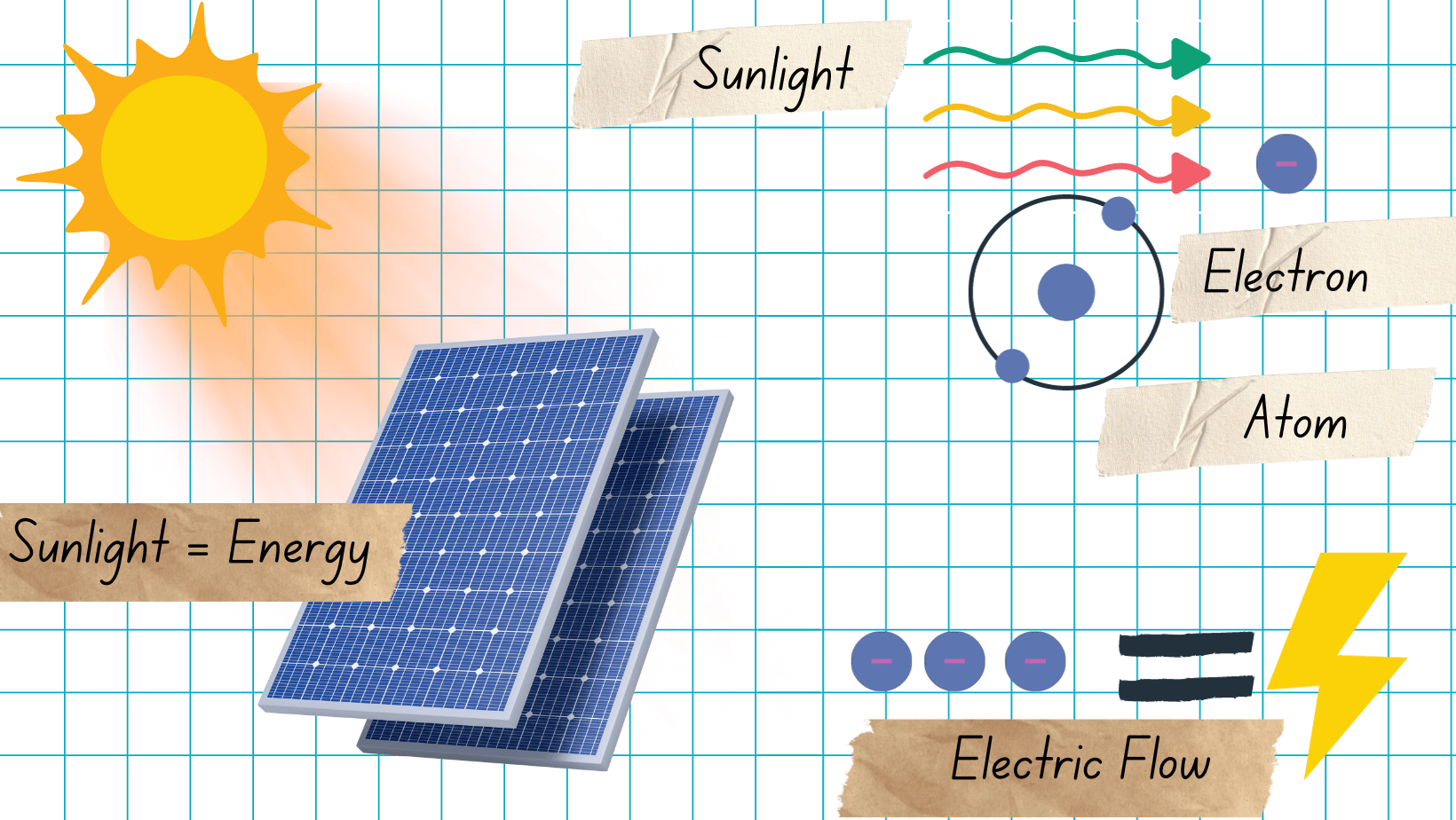
- Your Energy Consumption: How much electricity do you use each month? Check your electricity bill for your average kWh usage.
- Your Location: How much sunshine does your area get? Some places are sunnier than others (obviously!).
- Your Roof Space: How much space do you have available for panels?
- Your Budget: Solar panels are an investment. Consider your budget and financing options.
A qualified solar installer can help you estimate your energy needs and recommend the right number of panels for your home. They're the experts! Let them do the heavy lifting (literally and figuratively).
Don't forget the incentives! Many governments and utilities offer rebates, tax credits, and other incentives to encourage solar energy adoption. These can significantly reduce the upfront cost of installing solar panels.
![How much electricity do solar panels produce? [UK, 2024]](https://images.prismic.io/sunsave-website/ZnxEJZbWFbowe4jR_graphic-Solarpaneloutput.jpg?auto=format,compress?auto=compress,format)
The Joy of Sun-Powered Living!
Going solar isn't just about saving money on your electricity bill (although that's a huge perk!). It's about contributing to a cleaner, more sustainable future. It's about reducing your carbon footprint and becoming more energy independent. It's about feeling good knowing that you're harnessing the power of the sun to power your life.
And honestly, there's something undeniably cool about knowing your roof is quietly generating electricity while you're binge-watching your favorite show. It's like having your own personal power plant! (Minus the noise and pollution, of course.)
So, feeling inspired? The world of solar energy is constantly evolving. New technologies are emerging, costs are coming down, and the possibilities are endless. Take the leap! Do some research, talk to installers, and start exploring how solar power can transform your home and your life. It’s more accessible than you think and filled with exciting possibilities! The sun is shining... are you ready to catch it?