How Much Electricity Does A Pool Use Per Month
Ah, the shimmering allure of a backyard pool. A sparkling oasis on a sweltering summer day, a place for cannonballs, serene floats, and maybe even a sophisticated poolside cocktail party. But let's be honest, that blissful backyard retreat comes with a silent partner: electricity. So, how much juice are we really talking about when it comes to keeping that aquatic paradise primed and ready?
Understanding your pool's energy consumption isn't just about saving money (though that's a definite perk!). It's also about making responsible choices that align with a more sustainable lifestyle. Think of it as knowing the carbon footprint of your poolside relaxation – a little awareness goes a long way.
The Usual Suspects: Unmasking the Energy Hogs
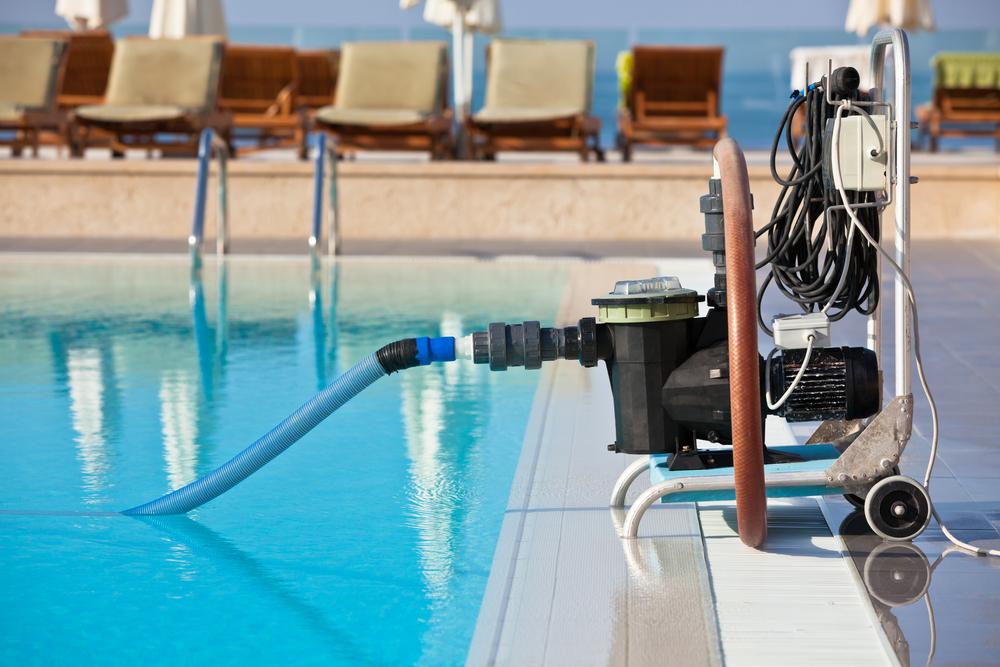
The primary culprit in pool-related electricity consumption is, without a doubt, the pool pump. It's the workhorse responsible for circulating water, filtering out debris, and ensuring proper chemical balance. Think of it as the circulatory system of your pool.
Must Read
Other energy-demanding components include:
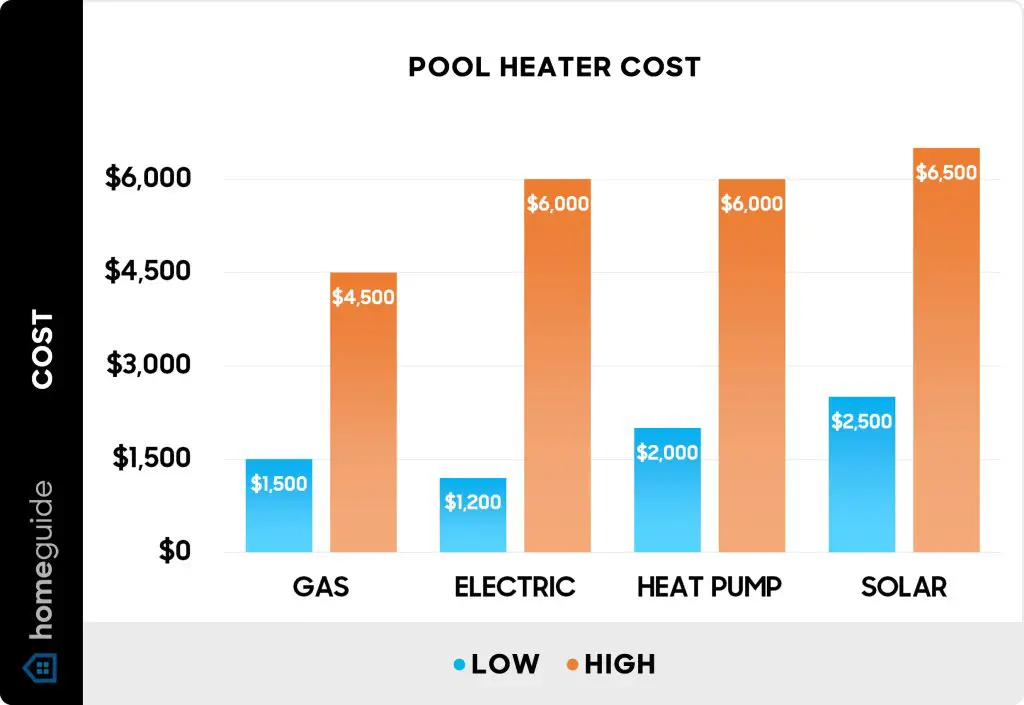
- Pool Heater: This is a major energy user, especially if you like to keep your pool warm year-round. It can easily double or even triple your monthly electricity bill.
- Pool Lights: While LED lights are incredibly energy-efficient, older incandescent bulbs can still contribute to your overall usage.
- Automatic Pool Cleaners: These robotic helpers save you time and effort, but they also require electricity to operate.
Decoding the Numbers: How Much are We Talking?
Okay, let's get down to brass tacks. The amount of electricity your pool uses per month depends on several factors, including the size of your pool, the type of equipment you have, and how often you use it.
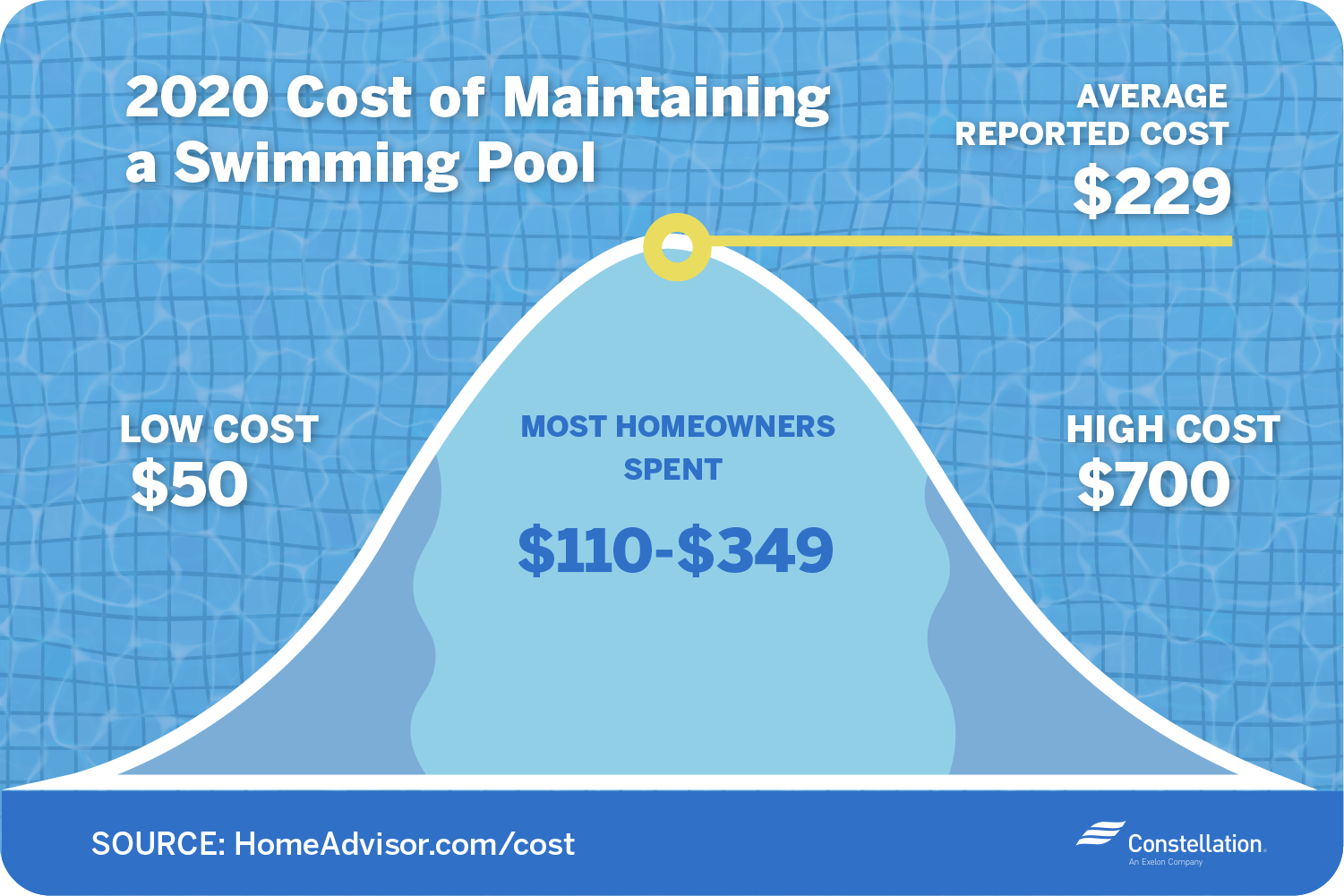
As a general guideline, you can estimate that a standard single-speed 1.5 horsepower pool pump, running for 8 hours a day, can consume anywhere from 300 to 600 kWh per month. That translates to roughly $45 to $90 on your electricity bill, depending on your local electricity rates. Keep in mind that a pool heater adds significantly to the electricity bill.
To get a more accurate estimate, take a peek at the energy consumption label on your pool equipment. This label will list the wattage (power consumption) of the device. You can then calculate the monthly energy usage using the following formula:
(Wattage x Hours of Use Per Day x Days Per Month) / 1000 = kWh per month
Don't be afraid to use a kilowatt calculator online as they are readily available.
Smart Swims: Tips for Lowering Your Pool's Energy Bill
Feeling a little overwhelmed by those numbers? Don't fret! There are plenty of ways to reduce your pool's energy consumption without sacrificing your aquatic enjoyment.
- Invest in a Variable-Speed Pump: These pumps allow you to adjust the flow rate, using significantly less energy when high speeds aren't necessary. It's like switching from a gas-guzzling SUV to a fuel-efficient hybrid.
- Reduce Pumping Time: Experiment with shorter run times to see if you can still maintain adequate water quality. Every little bit helps.
- Use a Pool Cover: This helps retain heat and reduce evaporation, minimizing the need for heating and refilling. Think of it as a cozy blanket for your pool.
- Upgrade to LED Lighting: LED pool lights are incredibly energy-efficient and can last for years, saving you money and reducing your carbon footprint.
- Consider a Solar Pool Heater: Harness the power of the sun to heat your pool water. It's a sustainable and cost-effective alternative to traditional electric heaters.
- Time your cleaning system wisely: Automatic pool cleaners are helpful, but ensure they aren’t running at peak electricity times.
Beyond the tech upgrades, simple habits matter, too. Cleaning your pool regularly can reduce the strain on the pump and filter, improving their efficiency. So, grab that skimmer and get to work!
Poolside Musings: A Broader Perspective
Understanding your pool's energy consumption is more than just a budgeting exercise; it's a reminder of the impact our lifestyle choices have on the environment. Just as we consider the energy efficiency of our appliances and vehicles, being mindful of our pool's energy usage is a step towards a more sustainable future.
It’s about finding a balance, enjoying the simple pleasures of a refreshing dip while minimizing our environmental impact. So, the next time you're lounging by the pool, take a moment to appreciate the technology that makes it possible, and consider the small changes you can make to keep your aquatic paradise both enjoyable and eco-conscious. After all, a happy pool is a responsible pool.