How Much Electricity Does A House Use In A Day
Ever stare at your electricity bill and think, "Whoa, where did all that power go?" You're not alone! It's like trying to figure out where all the socks disappear to in the laundry. Today, we're diving into the mysterious world of household electricity consumption to understand just how much juice your humble abode is slurping up each day.
Think of your house as a hungry, hungry hippo. It's got a mouth (the electrical outlet) and a whole bunch of hungry little appliances and gadgets inside, all vying for their share of energy snacks.
The Daily Diet of Your Electrical Hippo
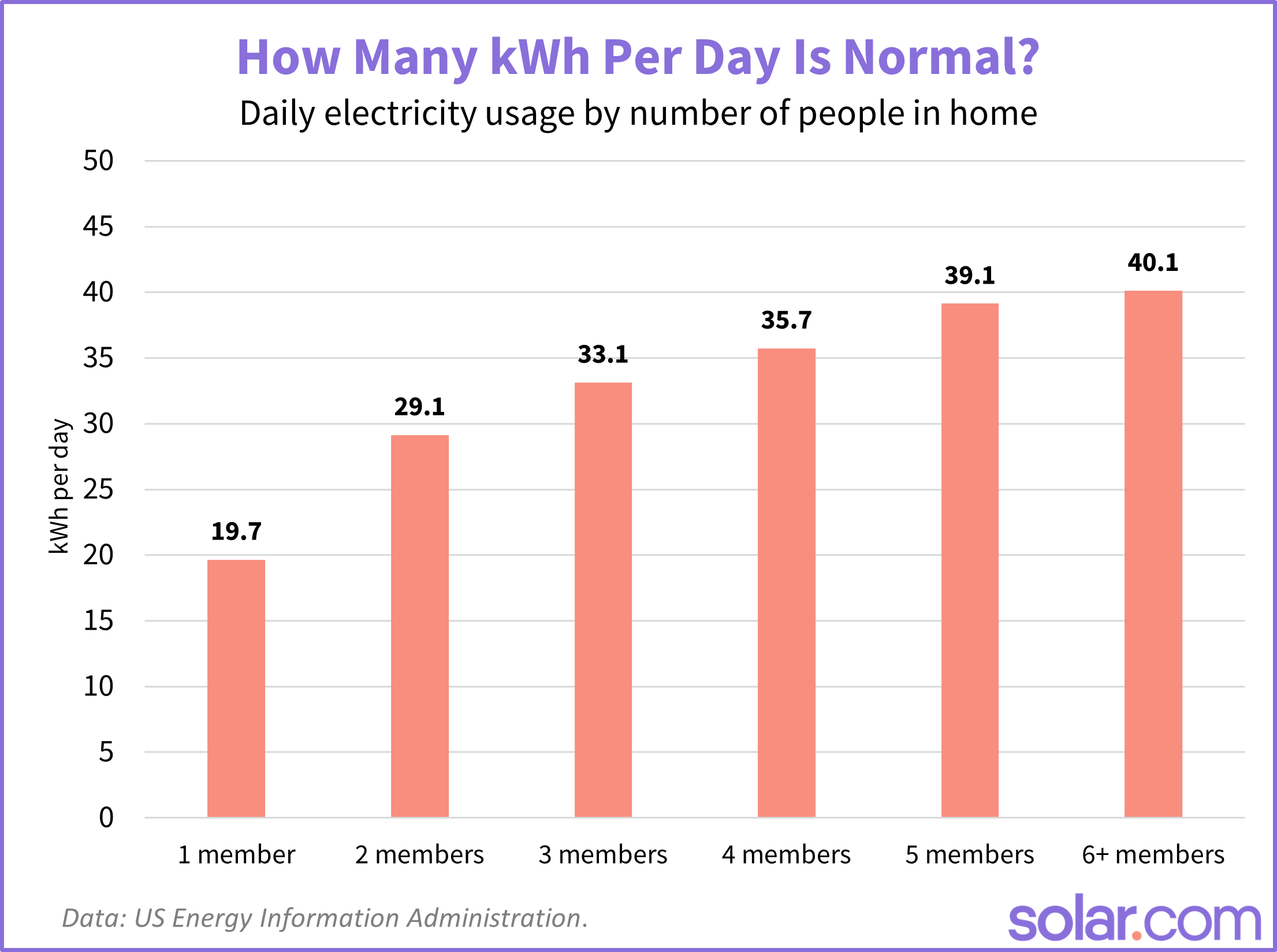
So, what’s on the menu for your electrical hippo? Well, the average American home devours around 30 kilowatt-hours (kWh) of electricity per day. That’s roughly equivalent to running a super-efficient LED lightbulb continuously for four years. Or, if you're more of a visual person, imagine powering approximately 30 old-school incandescent bulbs for an entire day.
Must Read
Now, before you hyperventilate and start unplugging everything in sight, remember that this is just an average. Your mileage, or rather, your kilowatthourage, may vary. Think of it like comparing appetites – some people are happy with a salad, while others need a triple-decker burger with extra cheese.
The Usual Suspects: Energy Hogs in Disguise
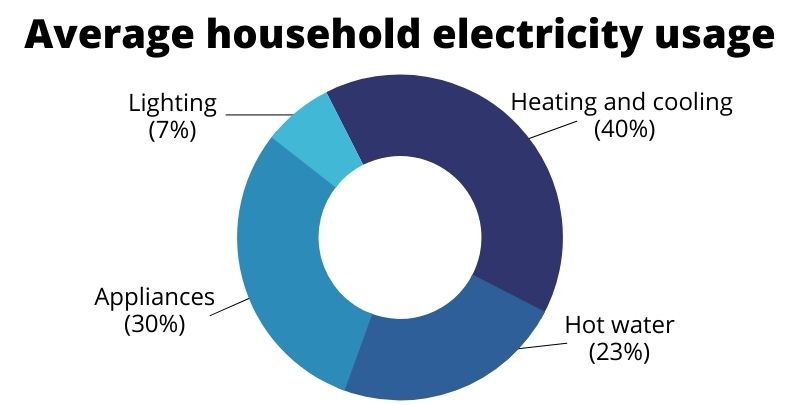
Let's take a peek at the main culprits draining your power:
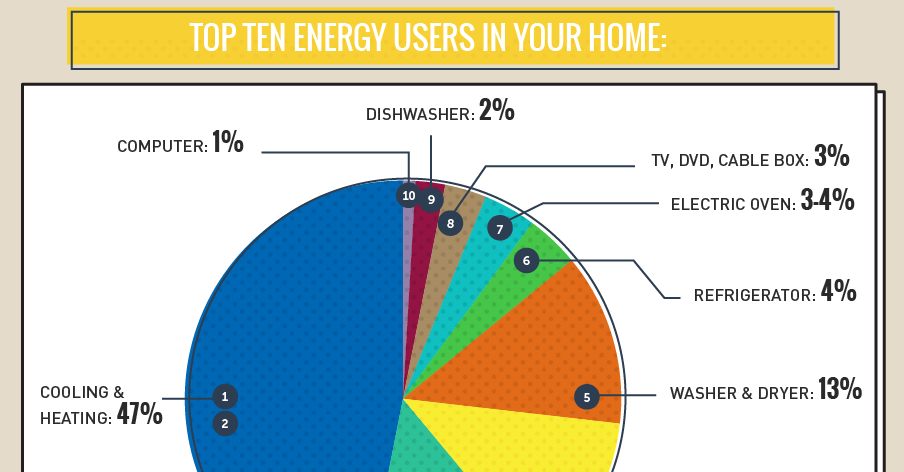
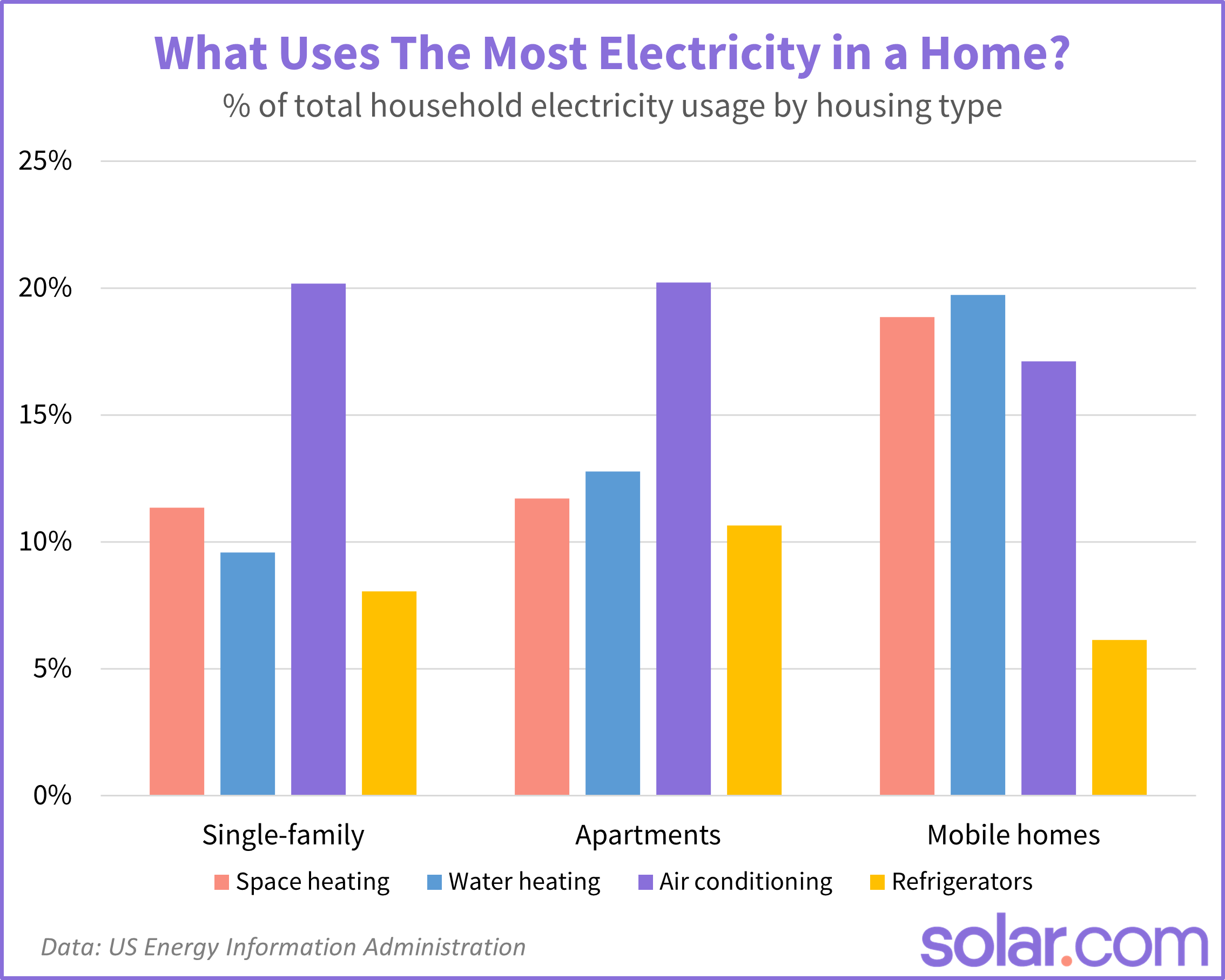
- Air Conditioning & Heating: Ah yes, the big Kahuna. These guys are the biggest energy consumers in most homes, especially during extreme weather. Think of your AC as that friend who always orders the most expensive thing on the menu.
- Water Heater: Heating water takes a surprising amount of energy. It's like filling a giant bathtub, but with electricity instead of, well, water.
- Refrigerator: This steadfast soldier works 24/7 to keep your food cold, and it needs constant power to do so. It's the dedicated, if slightly demanding, roommate you can always count on.
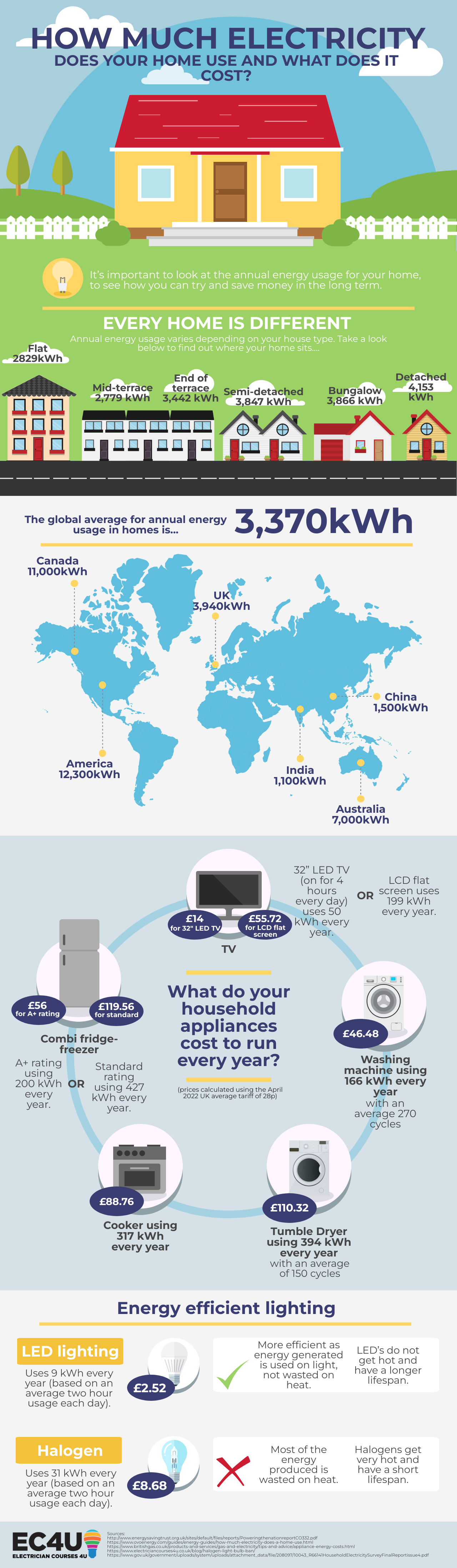
- Lighting: While modern LED lights are energy-efficient, those older incandescent bulbs are notorious energy vampires. Swap them out, and watch your bill shrink like a diet commercial!
- Electronics: TVs, computers, game consoles, chargers… they all contribute to the daily energy feast. Even when turned off, many electronics continue to draw a small amount of power – those sneaky "phantom loads."
Pro-Tip: Unplug chargers when they're not in use. It's like telling that friend who always overstays their welcome that it's time to go home. Save energy and sanity!
Factors That Influence Your Electrical Bill (and Sanity)
Several factors can affect your home's electricity consumption. House size, the number of occupants, your lifestyle, and even the weather all play a role. For example, a family of five living in a sprawling mansion will likely use more energy than a single person living in a cozy apartment.
Anecdote Time: I once stayed at a friend's house who had an enormous walk-in closet dedicated solely to storing Christmas decorations. I’m pretty sure the electricity bill was higher in December because the closet light was constantly on. Talk about a festive energy drain!
Also, think about your habits. Do you leave lights on when you leave a room? Do you take long, hot showers every day? Do you keep your thermostat set to a tropical temperature year-round? Small changes in your behavior can add up to significant savings over time. It’s like choosing to walk or bike instead of driving – good for your wallet and good for the planet!
In a Nutshell
So, how much electricity does a house use in a day? Roughly 30 kWh on average, but it depends. Understanding where your energy is going is the first step to taking control of your electricity bill. By identifying the energy hogs in your home and making simple changes to your habits, you can tame your electrical hippo and keep your wallet happy.
Now go forth and conquer those energy bills! And maybe unplug that Christmas decoration closet.