
How Much Electricity Do Solar Panels Generate
Ever looked up at the sun and wondered just how much power that giant ball of fire is sending our way? It's a lot! And increasingly, we're learning to harness a tiny sliver of that energy using solar panels. Understanding how much electricity solar panels generate isn't just for scientists and engineers anymore. It's becoming relevant for everyone, from homeowners considering going green to students learning about sustainable energy. Plus, it's just plain cool to think about turning sunshine into usable power!
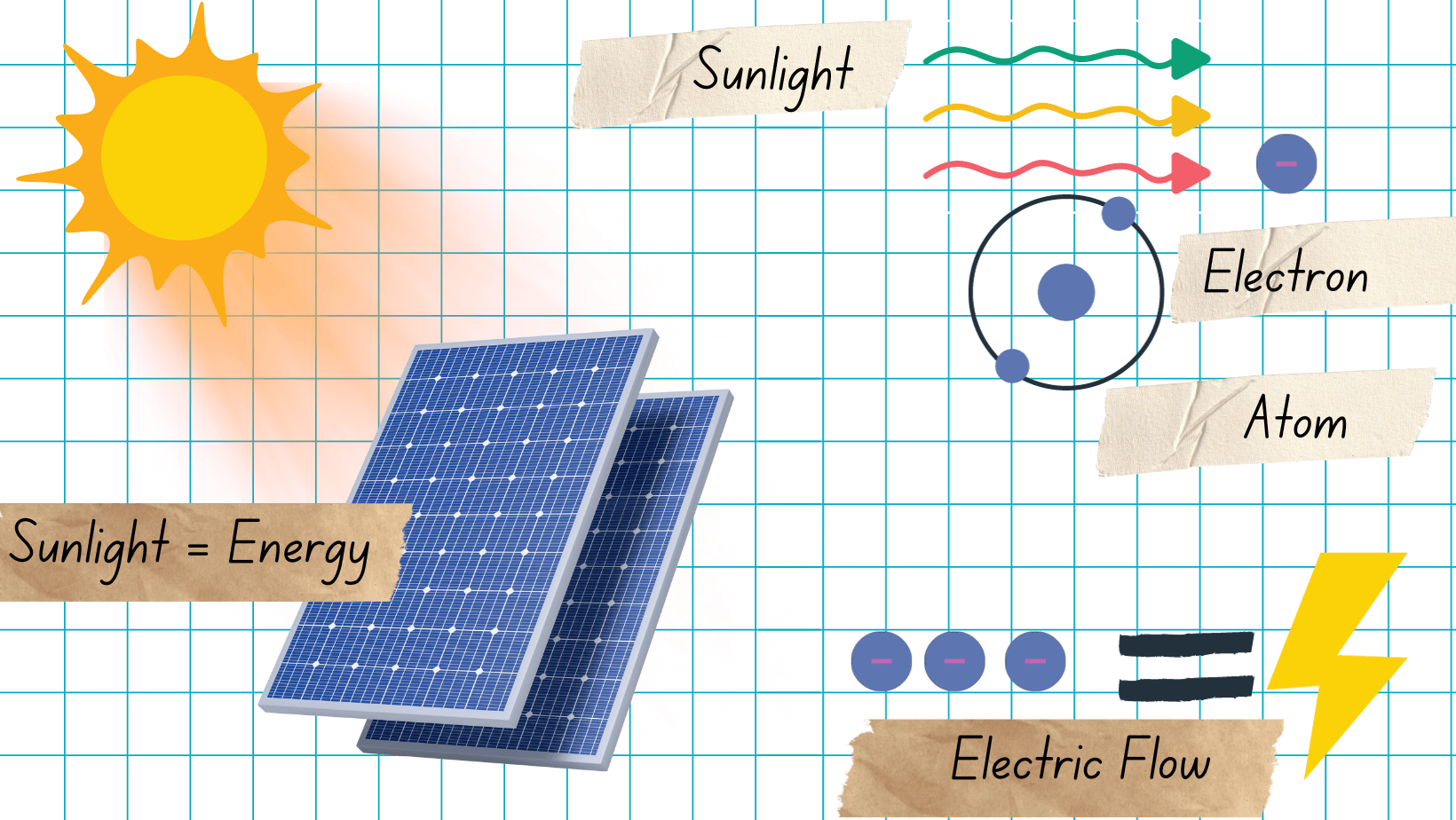
The purpose of a solar panel, quite simply, is to convert sunlight into electricity. This electricity can then be used to power our homes, businesses, and even entire cities. The benefits are numerous. First and foremost, it's a clean, renewable energy source. Unlike fossil fuels, solar power doesn't produce harmful greenhouse gases or contribute to air pollution. Second, it can reduce your reliance on the traditional power grid, potentially saving you money on your electricity bills. And third, it can increase the value of your property and support a more sustainable future for everyone.
Solar panels are becoming increasingly visible in our daily lives and in education. Schools are incorporating solar power into their curriculum, teaching students about renewable energy sources and how solar panels work. Think about science experiments where students build miniature solar-powered cars or use solar panels to power small lights. In your daily life, you might see solar panels on rooftops, powering streetlights, or even charging electric vehicles. You can even find small solar chargers for your phone or other devices. These are all tangible examples of how solar energy is being integrated into our world.
Must Read
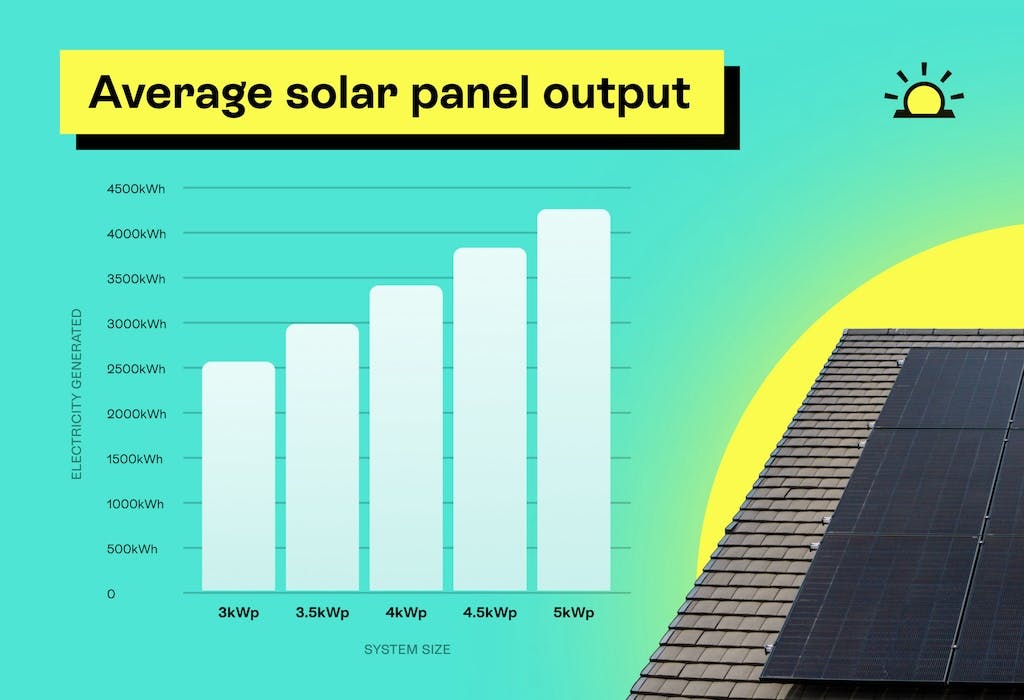
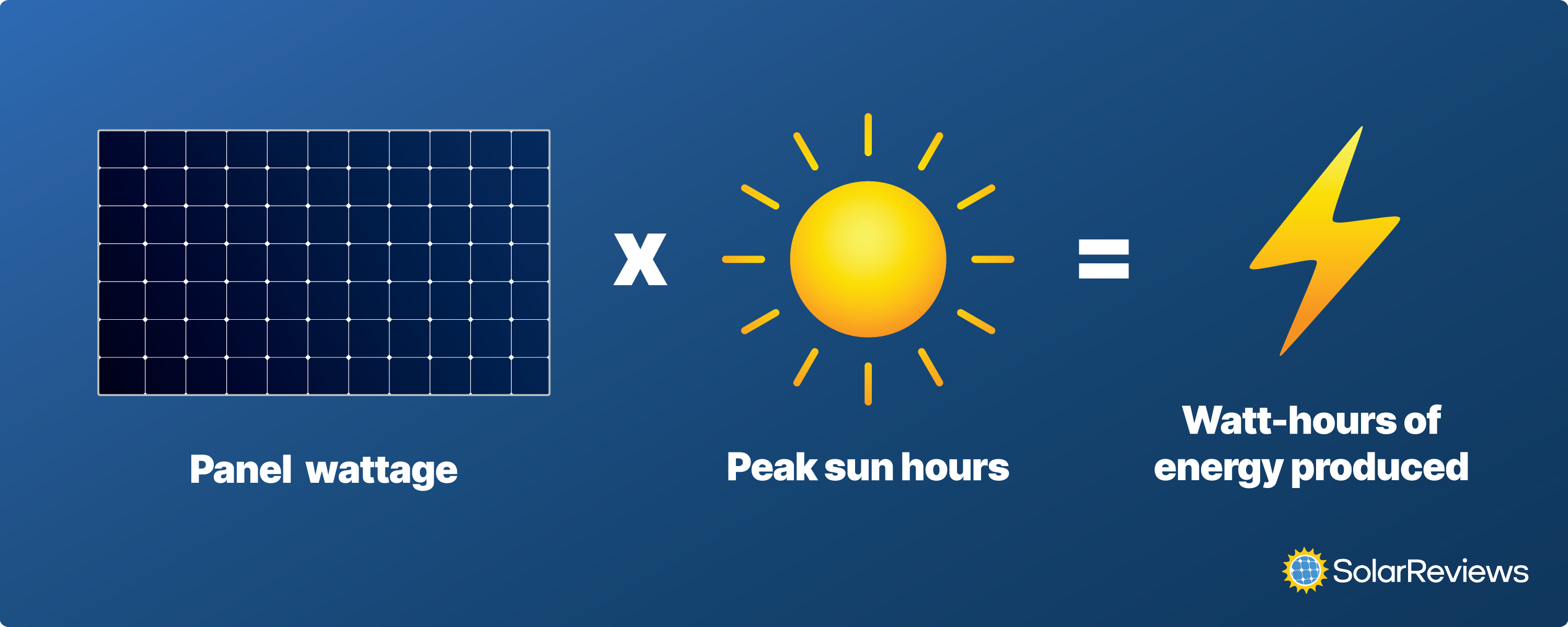
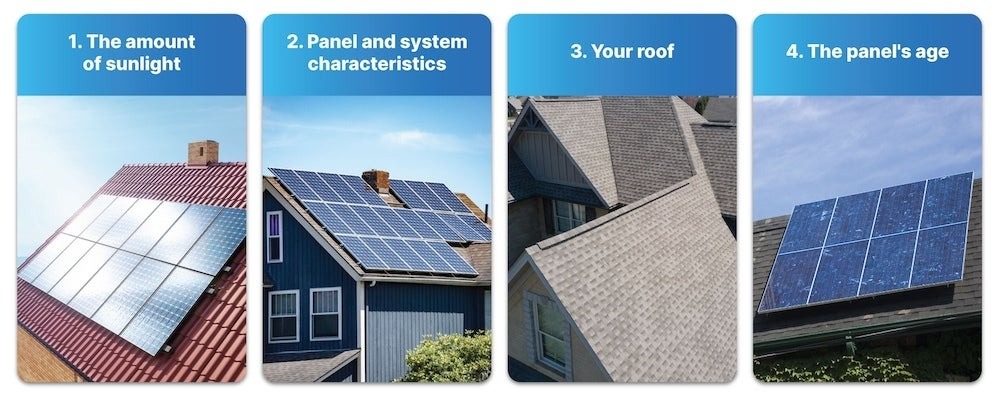
So, how much electricity do solar panels actually generate? It's not a simple answer, as it depends on several factors. These include the size and efficiency of the panel, the amount of sunlight it receives (which varies based on location, time of day, and weather), and the angle at which the sunlight hits the panel. Generally, a typical residential solar panel, rated at around 300-400 watts, might produce around 1 to 1.5 kilowatt-hours (kWh) of electricity per day. That's enough to power several lights, your refrigerator for a few hours, or even a load of laundry.
Want to explore this topic further? Here are a few practical tips: First, check out online solar calculators. Many websites offer tools that allow you to estimate the potential energy production of solar panels in your specific location. Simply enter your address and some basic information about your energy usage, and the calculator will provide an estimate. Second, visit a local solar installation company. They can provide you with personalized information and answer any questions you might have. Finally, consider investing in a small, portable solar panel and experimenting with it yourself. You can use it to charge your phone, power a small fan, or simply observe how much electricity it generates under different conditions. It’s a fun and engaging way to learn firsthand about the power of solar energy!
Remember, even small steps towards understanding and utilizing solar power can make a big difference. It's an exciting field with the potential to transform the way we power our world.
![How much electricity do solar panels produce? [UK, 2025]](https://images.prismic.io/sunsave-website/Z64Jh5bqstJ9-lRu_Cutyourenergybillswithsolar-final-.png?auto=format%2Ccompress&fit=max&w=3840)