How Much Electricity Can A Wind Turbine Produce
Ever stared at a wind turbine, those giant, graceful propellers slicing through the air, and wondered, "Man, how much juice are those things actually making?" It's like wondering how many donuts a bakery churns out in a day – you know it's a lot, but the exact number? That's the juicy part!
Well, let's ditch the technical jargon and dive into the land of everyday comparisons. Forget kilowatts and megawatts for a minute. We’re talking about keeping the lights on, charging your phone, and maybe even powering your Netflix binge.
So, What's the Deal with Wind Turbine Output?
The amount of electricity a wind turbine spits out isn't a one-size-fits-all answer. It's more like asking how much coffee a coffee shop makes. It depends! It relies on a few key factors:
Must Read
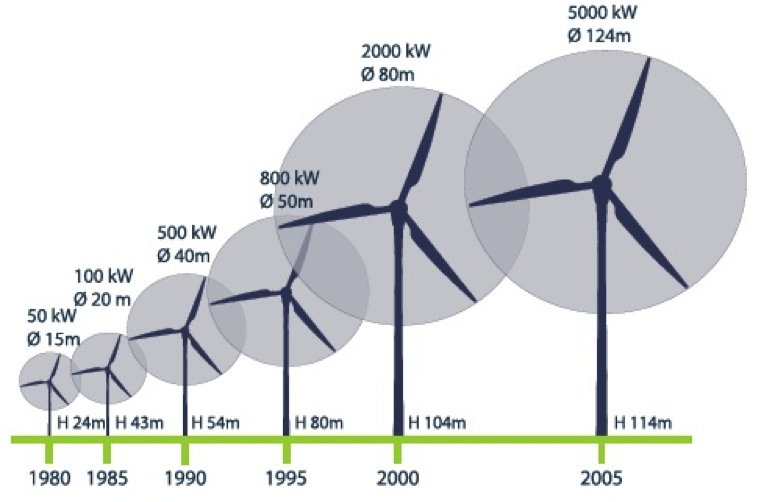
- Turbine Size: Think of it like this: a tiny espresso maker versus a giant industrial coffee machine. Bigger turbines = more power. A typical home turbine might only power a small cabin, while a massive utility-scale turbine can feed hundreds of homes.
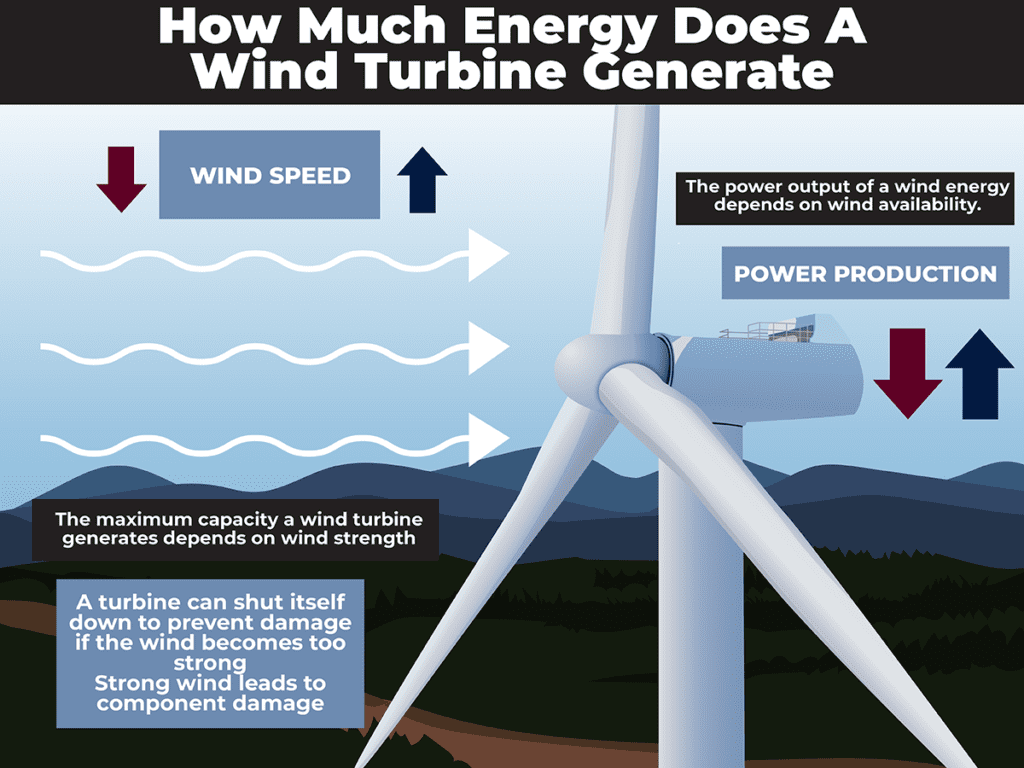
- Wind Speed: No wind, no power. Duh, right? But it’s more nuanced than that. A gentle breeze is like a slow drip of coffee, while a gale is like a power-shot espresso. Optimal wind speeds are where these babies really shine. Too little wind and they barely spin. Too much and they might even shut down to protect themselves!
- Efficiency and Location: Some turbines are just built better, using more efficient designs and materials. And location, location, location! Just like a prime retail spot helps a business, a windy hilltop is gold for a turbine.
Let's talk numbers, but in a relatable way. A typical utility-scale wind turbine (the big ones you see in wind farms) can have a capacity of around 2-3 megawatts (MW). Now, what does that mean?
From Megawatts to Movie Nights
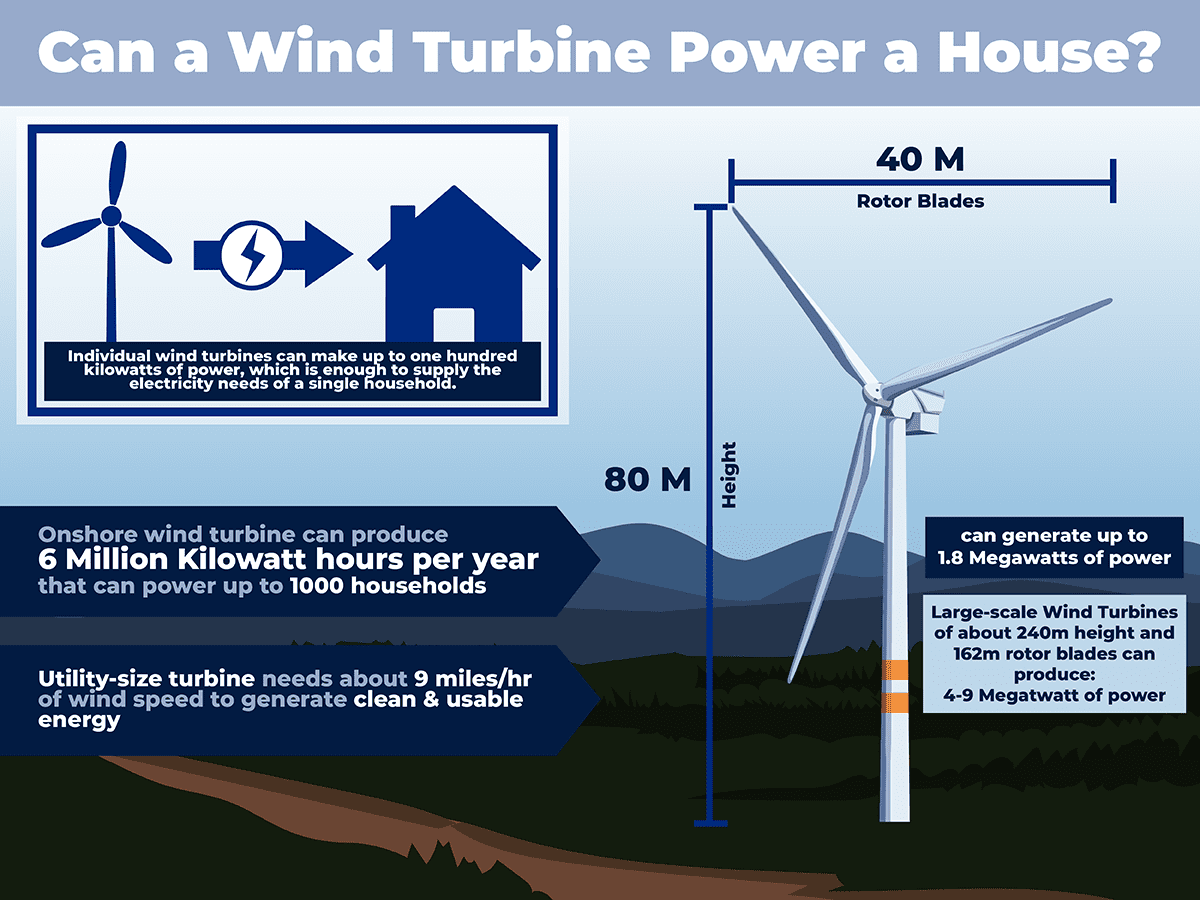
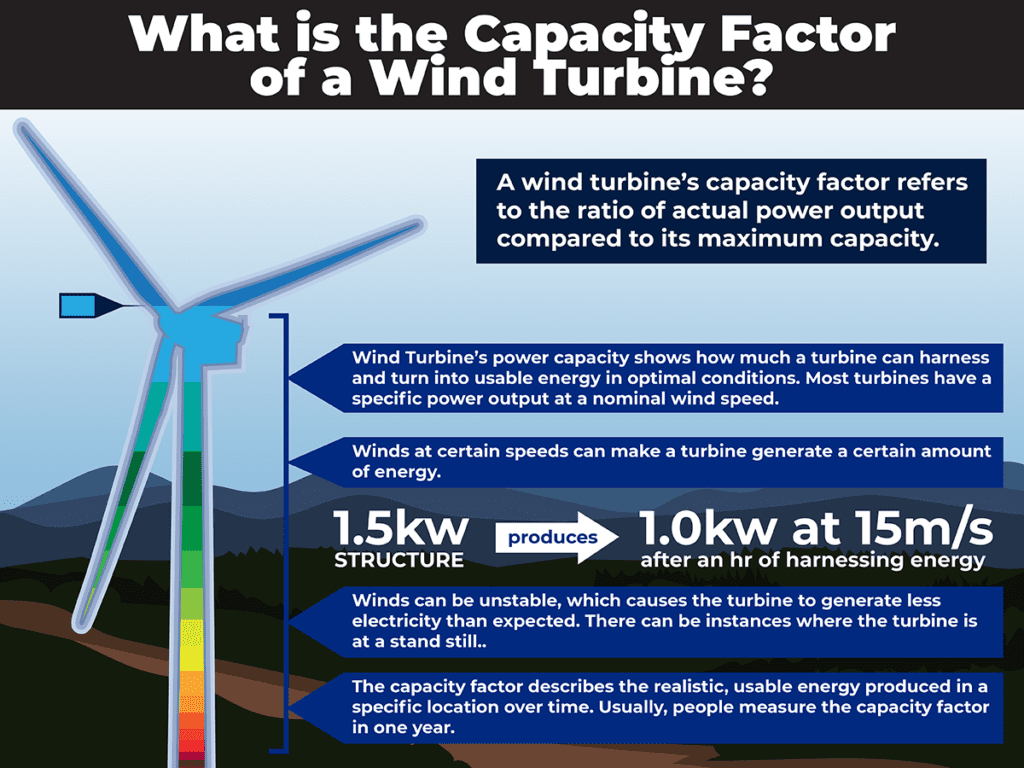
One megawatt is roughly enough to power hundreds of homes. So, a 2-3 MW turbine could theoretically power 500-1000 homes... but here's the catch! They don't always run at full capacity. That's where the "capacity factor" comes in. It’s like saying, "Yeah, my car can go 150 mph, but I usually only drive 65."

The capacity factor for wind turbines is usually around 30-50%. So, realistically, that 2-3 MW turbine might actually power somewhere between 200 and 500 homes consistently. Still pretty impressive, right?
Think of it like this: If your house uses about 10,000 kilowatt-hours (kWh) of electricity per year (that's a ballpark figure – check your own bills!), a single turbine could potentially power enough electricity for 20 to 50 homes annually. Imagine the collective power of an entire wind farm! It’s like a whole neighborhood ditching their gas guzzlers for electric cars – a big impact.
Small Turbines, Big Impact (Sometimes)
What about those little turbines you sometimes see on farms or even rooftops? Those are usually much smaller, producing just a few kilowatts. They're more like backup generators than powerhouses. They might power a single home or a small business, reducing their reliance on the grid.
I once saw a tiny turbine attached to a shed in the middle of nowhere. It looked like it was struggling to turn a pinwheel. It probably wasn't generating much power, but you know what? It was generating something! And that's the point. Every little bit helps.
Ultimately, the amount of electricity a wind turbine produces is a complex calculation. But the takeaway is this: they're a significant source of clean energy, contributing more and more to our power grids every year. And next time you see one, remember it's not just a giant fan in the sky – it's a power plant on a pole, quietly keeping our lights on and our devices charged. Pretty cool, huh?