
How Much Electric Does Tv Use

Alright, let's chat about something that might seem a little... mundane at first glance, but I promise you, it's actually pretty fascinating and can even make your life a tiny bit more fun. We're talking about that glorious rectangular portal to entertainment in your living room – your TV! Specifically, how much electric does a TV actually use?
You know the drill. You settle in for a binge-watching session, the popcorn's popped, the lights are dimmed, and for a fleeting moment, a thought might cross your mind: "Am I racking up a huge electricity bill with all this screen time?" My friend, if you've ever pondered that, you're definitely not alone. It's a common worry, a little energy ghost in the machine, so to speak.
The Big Reveal: Are TVs Power Hogs Anymore?
Here's the good news, and honestly, it's a bit of a relief: modern TVs are actually much more efficient than their predecessors. Remember those bulky CRT TVs from back in the day? Those things were like tiny personal suns, radiating heat and guzzling power. Your sleek, flat-screen beauty? Not so much.
Must Read
Thanks to incredible leaps in technology, especially with LED and OLED screens, today's TVs are designed with energy conservation in mind. So, that guilt trip you might have been having about a few extra episodes? You can probably let it go. Most modern TVs are surprisingly energy-efficient.
What Influences Your TV's Thirst for Power?
Okay, so they're efficient, but what exactly makes one TV sip power while another might take a slightly bigger gulp? Several factors come into play:

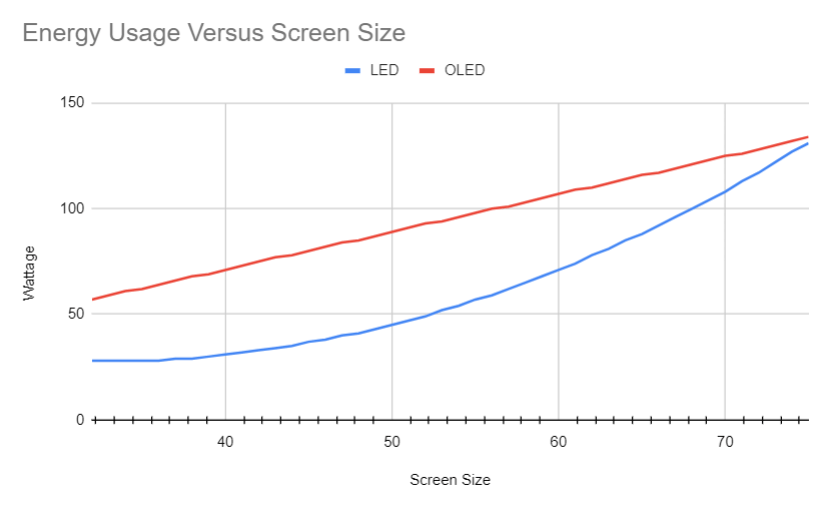
1. Screen Size: This one's pretty intuitive, right? A bigger screen means more LEDs (or OLED pixels) to light up. So, a massive 75-inch cinematic wonder will naturally use a bit more juice than a humble 32-inch set in the bedroom. But again, the difference might be smaller than you think!
2. Display Technology: This is a biggie!
- LED (LCD with LED backlighting): These are very common and quite efficient.
- OLED: Often even more efficient because each pixel lights itself up and can turn completely off, leading to true blacks and less wasted energy.
- QLED: A variation of LED, also highly efficient.
3. Brightness Settings: Think about it – the brighter your screen, the more energy it needs to pump out those photons. Turning down the brightness just a notch or two, especially in a dimly lit room, can make a noticeable difference. Plus, it's often easier on your eyes!
4. Content You're Watching: This might sound a little quirky, but it's true! A very dark movie with lots of black scenes (hello, space opera!) will use less power on an OLED TV than a bright, colorful animation, simply because those black pixels are turned off. Cool, huh?
Smart Moves for Smarter Energy Use (and More Fun!)
So, how can you take this newfound knowledge and make it work for you? It's not about deprivation; it's about being smart. And trust me, being smart feels good!
1. Embrace Energy-Saving Modes: Most TVs come with "Eco Mode" or "Energy Saving" settings. These often subtly adjust brightness and other picture settings for optimal efficiency without drastically changing your viewing experience. Go on, check your TV's menu!

2. Unplug or Use a Smart Power Strip: Even when turned off, many electronics, including TVs, draw a tiny bit of "phantom load" power. It's not huge, but it adds up! Plugging your TV (and sound system, gaming console, etc.) into a smart power strip that cuts power when the devices are off can save you a few bucks over time. Plus, it makes you feel like an energy superhero!
3. Adjust Brightness to Your Environment: Instead of blasting your TV at max brightness all the time, especially at night, try lowering it. Your eyes will thank you, and so will your wallet. It's about finding that sweet spot for comfortable viewing.
Why Does This Even Matter?
You might be thinking, "It's just a TV, what's the big deal?" But here's the inspiring part: understanding the small things like your TV's energy usage isn't just about saving a few pennies (though that's nice!). It's about a subtle shift in mindset. It's about realizing that small actions can have big impacts.
When you're mindful about how you use energy, you're not just being fiscally responsible; you're also being environmentally conscious. You're contributing to a healthier planet, one episode at a time. And that, my friend, is a pretty powerful feeling. It empowers you to make conscious choices, not just with your TV, but perhaps with other appliances too!
It turns a seemingly dull topic into a game: "How can I enjoy my favorite shows and games even more, knowing I'm doing it smartly and sustainably?" It adds a layer of satisfaction to every movie night and every gaming marathon. Imagine kicking back, completely guilt-free, knowing you're in control.
So, the next time you power up your TV, don't just see a screen. See an opportunity to be a little smarter, a little more efficient, and a little more connected to the bigger picture. This small insight into your TV's power usage is just the beginning. There's a whole world of fascinating energy knowledge out there, waiting for you to discover it. Go on, explore, learn, and feel good about every informed decision you make!